Với hơn 10 năm kinh nghiệm về vận chuyển khí nén, Headpowder Sơn Đông cung cấp hệ thống, thiết bị và quạt gió toàn chuỗi, đảm nhận các dự án kỹ thuật bột trọn gói trên toàn quốc.
When it comes to transporting bauxite, selecting the right method is crucial for efficiency and cost-effectiveness in industrial operations. Bauxite, a key raw material for aluminum production, requires reliable and efficient handling to ensure smooth production processes. This article provides a detailed comparison of common bauxite conveying methods, highlighting their advantages, disadvantages, and suitable applications.
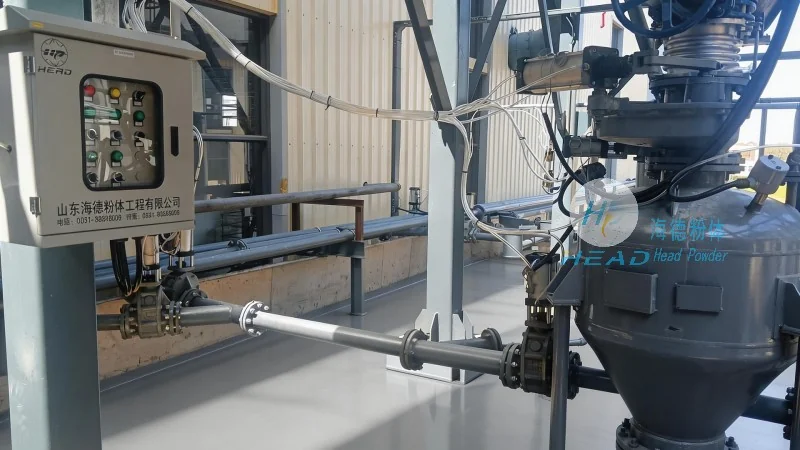
1. Belt Conveyor System
Belt conveyors are one of the most widely used methods for bauxite transportation due to their versatility and ability to handle large volumes of material over long distances. These systems consist of a continuous loop of conveyor belt that moves material from the loading point to the discharge point. The primary advantage of belt conveyors is their high capacity and low maintenance costs, making them ideal for bulk material handling in mining and processing plants. They can transport bauxite over considerable distances, often up to several kilometers, with minimal energy consumption. However, belt conveyors require a relatively flat terrain and may not be suitable for steep inclines or complex layouts. Additionally, they can be affected by material characteristics such as moisture content, which may cause belt slippage or wear. The company, Shandong HeadPowder Engineering Co., Ltd., specializes in designing and manufacturing customized belt conveyor solutions tailored to the specific needs of bauxite processing facilities.
2. Pneumatic Conveying System
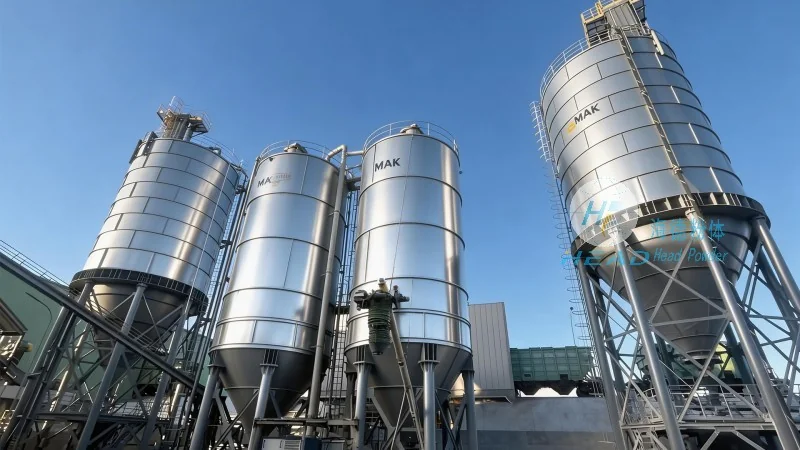
Pneumatic conveying systems use air pressure to transport bauxite particles through a pipeline. This method is particularly effective for handling fine or dusty bauxite, as it can transport material without direct contact, reducing the risk of contamination or material degradation. Pneumatic conveyors are flexible and can be installed in various configurations, including vertical, horizontal, or a combination of both. They offer high efficiency and can transport material over moderate distances, typically up to a few hundred meters. However, pneumatic systems require more energy compared to belt conveyors and may be less suitable for very large particles or high-volume applications. The system also needs regular maintenance to ensure the air compressor and pipeline remain clean and functional. For bauxite with high moisture content or abrasive properties, specialized pneumatic conveying equipment may be necessary to prevent wear and blockages.
3. Screw Conveyor
Screw conveyors, also known as auger conveyors, use a rotating screw to move bauxite along a trough. This method is suitable for short to medium distance transportation and is commonly used in processing plants for material transfer between equipment or for feeding processes. Screw conveyors are relatively simple in design and easy to install, making them a cost-effective option for smaller-scale operations. They can handle a variety of material sizes and can be adjusted for different incline angles. However, screw conveyors have lower capacity compared to belt or pneumatic systems and may not be suitable for very long distances or high-volume bauxite transport. The rotating screw can also cause material to heat up, which may affect the quality of the bauxite, especially if it is sensitive to temperature changes. Proper maintenance is essential to prevent wear on the screw and trough, as abrasive bauxite particles can lead to increased maintenance costs over time.
4. Hydraulic Conveying
Hydraulic conveying systems use water to transport bauxite particles in a slurry form. This method is particularly effective for handling wet or fine bauxite, as it can transport material over long distances with minimal energy consumption. Hydraulic conveyors are suitable for applications where the bauxite has high moisture content or is prone to dust generation. They can transport material over several kilometers with relatively low operational costs. However, hydraulic systems require a significant amount of water and may not be suitable for dry bauxite or in areas with water scarcity. The system also needs regular cleaning to prevent blockages and maintain efficiency. The slurry can be challenging to handle at the discharge point, as it may require additional equipment for dewatering or processing. For bauxite processing plants, hydraulic conveying is often used in conjunction with other systems to manage wet material or for specific processing stages.
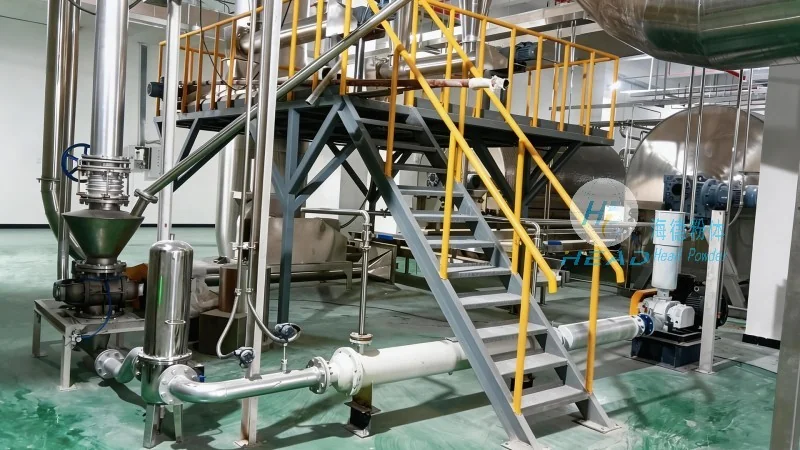
5. Gravity Conveying
Gravity conveying systems rely on the natural force of gravity to move bauxite from a higher elevation to a lower one. This method is simple and cost-effective for short vertical or inclined distances, such as moving bauxite from a stockpile to a processing plant. Gravity conveyors do not require any external power source, making them energy-efficient and low-maintenance. However, they are limited by the available height difference and the slope angle, as the material must be able to flow freely without excessive friction or blockages. Gravity systems are not suitable for long distances or for material with high moisture content, as the slope may not be sufficient to maintain flow. Additionally, they require careful design to ensure the material does not accumulate or cause blockages at the discharge point. For bauxite with low moisture content and suitable particle size, gravity conveying can be an effective and economical solution.
6. Combination Systems
In many industrial settings, a combination of conveying methods is used to optimize bauxite transportation. For example, a belt conveyor may be used to transport bauxite from the mine to a processing plant, followed by a pneumatic or screw conveyor for internal processing. This approach allows for the advantages of each system to be utilized, such as the high capacity of belt conveyors and the flexibility of pneumatic systems. Companies like Shandong HeadPowder Engineering Co., Ltd. often design integrated conveying solutions that combine multiple technologies to meet the specific requirements of bauxite processing facilities. These systems can be customized to handle varying material characteristics, distances, and operational conditions, ensuring efficient and reliable bauxite transportation throughout the production process.
Choosing the right bauxite conveying method depends on several factors, including the material characteristics, distance to be covered, required capacity, and operational environment. Each method has its own set of advantages and limitations, and the optimal choice is determined by a thorough analysis of the specific needs of the bauxite processing operation. By understanding the pros and cons of each method, industrial facilities can select the most suitable conveying system to enhance productivity, reduce costs, and ensure the smooth flow of bauxite from extraction to processing.

 Shandong Headpowder Engineering Co., Ltd.
 156-6277-7102(Quản lý Trương)
  0531-83386006
  Thành phố Tế Nam, Tỉnh Sơn Đông, Trung Quốc
Điện thoại
WeChatTư vấn
Lên đầu