Với hơn 10 năm kinh nghiệm về vận chuyển khí nén, Headpowder Sơn Đông cung cấp hệ thống, thiết bị và quạt gió toàn chuỗi, đảm nhận các dự án kỹ thuật bột trọn gói trên toàn quốc.
When it comes to transporting ore and sand in industrial settings, selecting the right conveying method is crucial for efficiency, cost-effectiveness, and operational safety. Various technologies are available, each with its own advantages and applications. This article provides a detailed comparison of common ore and sand conveying methods, focusing on their characteristics, applications, and suitability for different industrial scenarios.
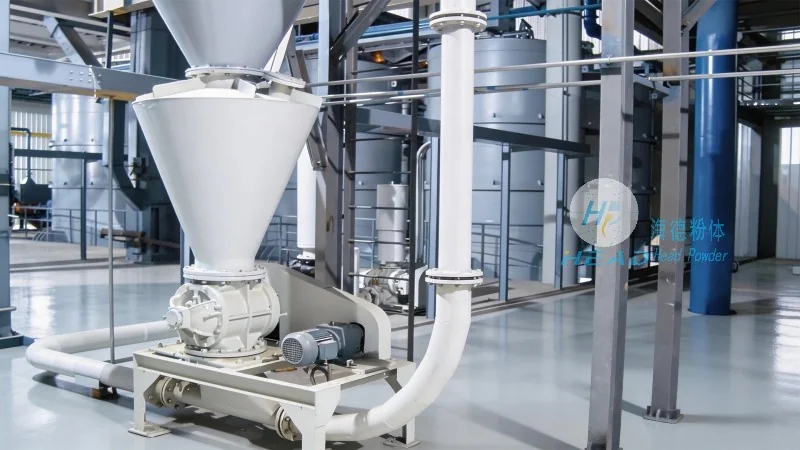
About Shandong HeadPowder Engineering Co., Ltd.
Shandong HeadPowder Engineering Co., Ltd., commonly known as HeadPowder, is a leading manufacturer specializing in bulk material handling solutions. With a strong presence in China, particularly in Shandong, the company offers a wide range of conveying equipment tailored to the needs of mining, construction, and other industries. HeadPowder's expertise lies in designing and manufacturing reliable systems that enhance productivity and ensure safe material transport.
1. Belt Conveyor
Belt conveyors are one of the most widely used methods for transporting ore and sand. They consist of a continuous loop of material (usually rubber or synthetic) that moves over rollers or pulleys. The primary advantage of belt conveyors is their high capacity and ability to transport materials over long distances. They are particularly suitable for bulk materials like sand, gravel, and crushed ore. Belt conveyors can be customized with different widths, lengths, and incline angles to meet specific operational requirements. Additionally, they are relatively low-maintenance and can handle a variety of material types, including abrasive ones. HeadPowder offers high-quality belt conveyor systems designed to withstand heavy loads and harsh environments, ensuring long-term performance and reliability.
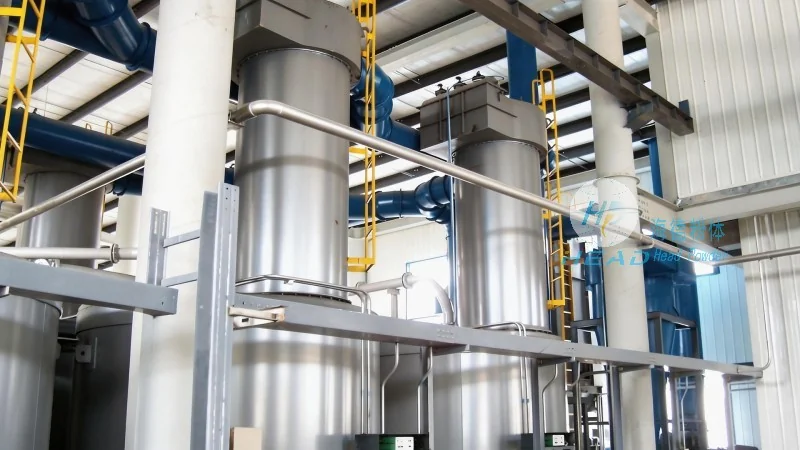
2. Screw Conveyor
Screw conveyors, also known as auger conveyors, use a rotating screw (helix) to move materials along a trough. This method is ideal for transporting smaller, granular materials such as sand, powders, and fine ores. Screw conveyors are compact and can be installed in confined spaces, making them suitable for applications where space is limited. They are also capable of handling materials with varying moisture content and can be used for both horizontal and slight incline transport. However, screw conveyors have limitations in terms of capacity and are less effective for very large or heavy materials. HeadPowder's screw conveyor solutions are engineered for durability and efficient material handling, ensuring smooth operation and minimal downtime.
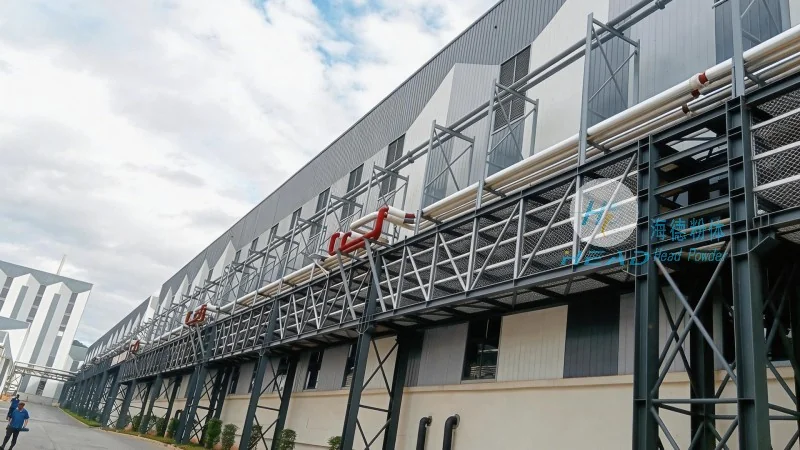
3. Pneumatic Conveying System
Pneumatic conveying systems use air or other gases to transport materials through a pipeline. This method is particularly effective for transporting fine powders and granular materials over moderate distances. Pneumatic conveyors are known for their ability to handle dusty or hazardous materials without the need for direct contact, enhancing safety and reducing contamination risks. They are also flexible, as the pipeline can be routed in various directions to suit the layout of the facility. However, pneumatic systems require more energy compared to other methods and may not be suitable for very large or heavy loads. HeadPowder provides advanced pneumatic conveying solutions that optimize air flow and material transport, ensuring efficient and reliable operation.
4. Chain Plate Conveyor
Chain plate conveyors use a series of connected metal plates or links that move along a frame. This method is suitable for transporting bulk materials that require a stable and even surface, such as sand, gravel, and crushed stone. Chain plate conveyors are capable of handling heavy loads and can be used in both horizontal and inclined configurations. They are particularly effective for materials that are prone to spillage or require a smooth transport surface. HeadPowder's chain plate conveyor systems are designed for durability and efficient material handling, ensuring consistent performance and minimal maintenance.
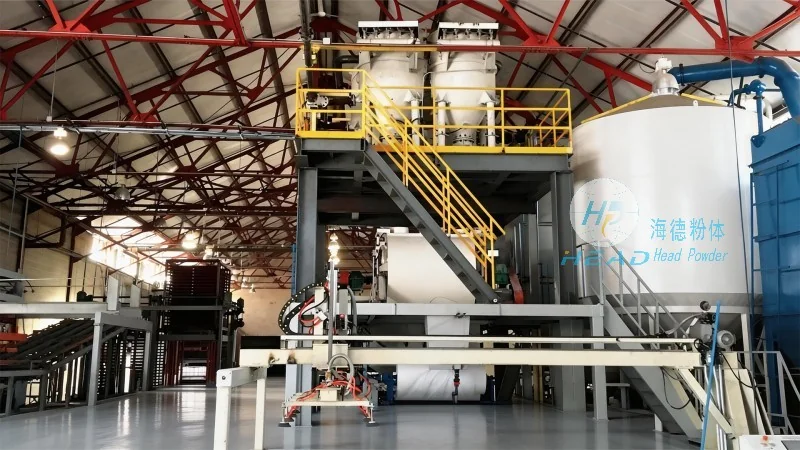
Comparison and Selection Guide
When choosing a conveying method for ore and sand, several factors should be considered, including the type and size of the material, the distance to be transported, the required capacity, and the available space. Belt conveyors are generally the best choice for long-distance, high-capacity transport of bulk materials. Screw conveyors are ideal for smaller, granular materials in confined spaces. Pneumatic systems are suitable for fine powders and materials requiring dust control. Chain plate conveyors are effective for heavy, stable materials needing a smooth surface. Shandong HeadPowder Engineering Co., Ltd. offers comprehensive solutions tailored to these considerations, ensuring that clients select the most appropriate conveying method for their specific needs. By leveraging the expertise of HeadPowder, industries can enhance their material handling processes, improve efficiency, and reduce operational costs.

 Shandong Headpowder Engineering Co., Ltd.
 156-6277-7102(Quản lý Trương)
  0531-83386006
  Thành phố Tế Nam, Tỉnh Sơn Đông, Trung Quốc
Điện thoại
WeChatTư vấn
Lên đầu