Với hơn 10 năm kinh nghiệm về vận chuyển khí nén, Headpowder Sơn Đông cung cấp hệ thống, thiết bị và quạt gió toàn chuỗi, đảm nhận các dự án kỹ thuật bột trọn gói trên toàn quốc.
Polysilicon, a key material in the semiconductor and photovoltaic industries, demands efficient and reliable conveying systems to support seamless production workflows. The selection of a conveying method is influenced by several factors, including material characteristics, production scale, and operational conditions. This article examines the primary methods used for polysilicon conveying, detailing their applications and advantages.
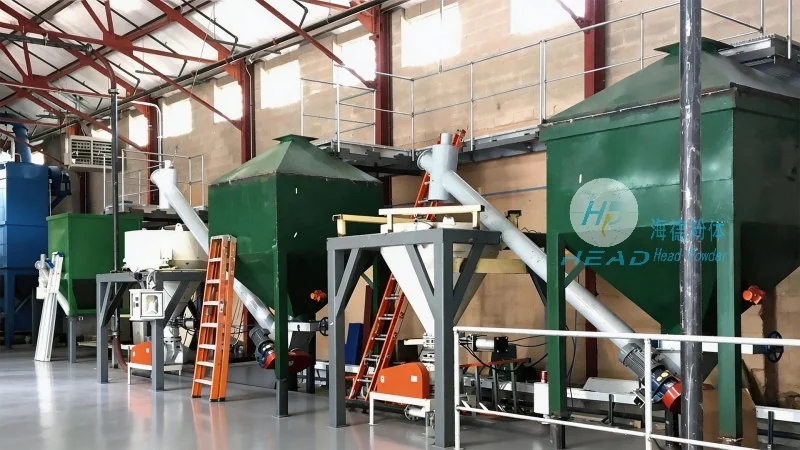
Gravity Conveying Systems
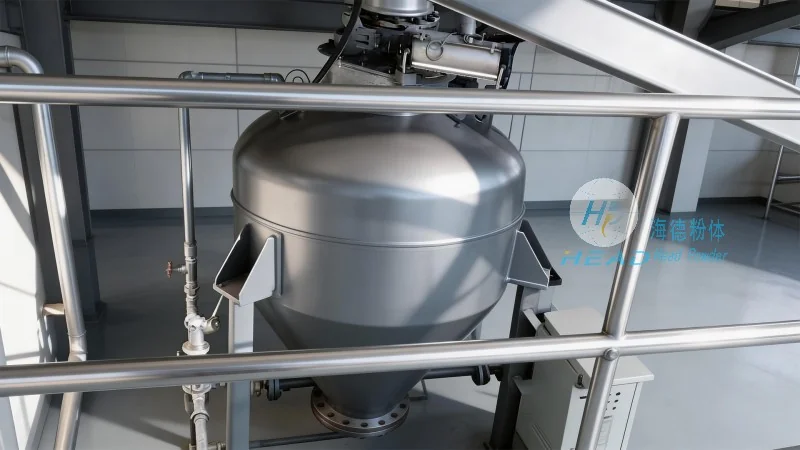
Gravity conveying systems utilize the natural force of gravity to move polysilicon from one point to another. These systems typically consist of inclined chutes or troughs that allow the material to flow under its own weight. This method is particularly suitable for applications where the material is free-flowing and the vertical or horizontal distance between the source and destination is manageable. Gravity conveying reduces the need for mechanical power, making it an energy-efficient option for certain production scenarios. However, it may not be suitable for materials with high moisture content or those that tend to agglomerate, as these characteristics can impede smooth flow.
Pneumatic Conveying
Pneumatic conveying uses air or other gases to transport polysilicon particles through a pipeline. This method is highly versatile and can handle a wide range of material types, including those that are dusty or have varying particle sizes. There are two main types of pneumatic conveying: dilute-phase and dense-phase. Dilute-phase systems use high-velocity air to move material in a suspended state, while dense-phase systems employ lower air velocities to push material in a compacted form. Pneumatic conveying offers advantages such as the ability to transport materials over long distances and through complex layouts without the need for multiple transfer points. However, it requires careful control of air pressure and flow rates to prevent material degradation or blockages.
Mechanical Conveying
Mechanical conveying systems rely on mechanical components like belts, screws, or buckets to move polysilicon. Belt conveyors are commonly used for horizontal or slight incline transport, providing a continuous and reliable method for moving large volumes of material. Screw conveyors, on the other hand, are ideal for vertical or inclined transport, as they can handle materials with higher moisture content or those that tend to stick to surfaces. Mechanical conveyors offer precise control over material flow rates and can be integrated with other processing equipment. However, they may require more maintenance compared to gravity or pneumatic systems, and their design must account for the potential for material degradation due to friction or abrasion.
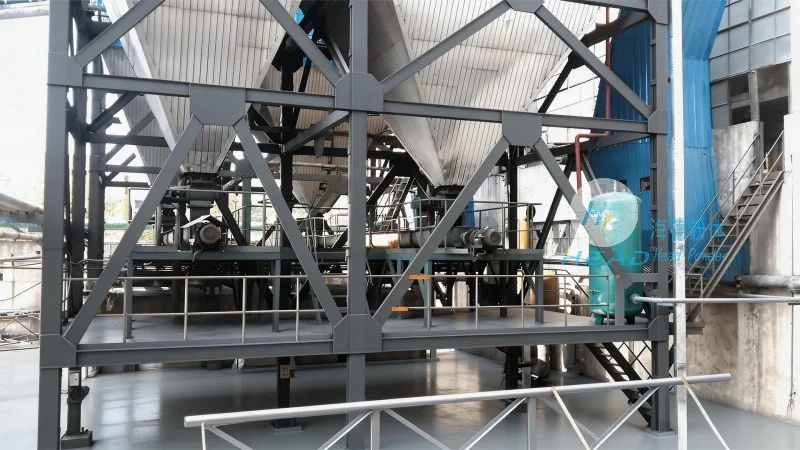
HeadPowder's Expertise in Polysilicon Conveying Solutions
Shandong HeadPowder Engineering Co., Ltd., a leading provider of engineering solutions for the polysilicon industry, specializes in designing and manufacturing customized conveying systems tailored to specific production needs. With years of experience in the field, HeadPowder understands the unique challenges associated with polysilicon handling, such as its high purity requirements and sensitivity to contamination. The company's team of engineers works closely with clients to assess their operational requirements and recommend the most suitable conveying method, whether it be gravity, pneumatic, or mechanical. HeadPowder's solutions are designed to ensure minimal material loss, maintain product integrity, and optimize production efficiency. By leveraging advanced materials and engineering techniques, HeadPowder delivers reliable and durable conveying systems that meet the stringent standards of the polysilicon industry.
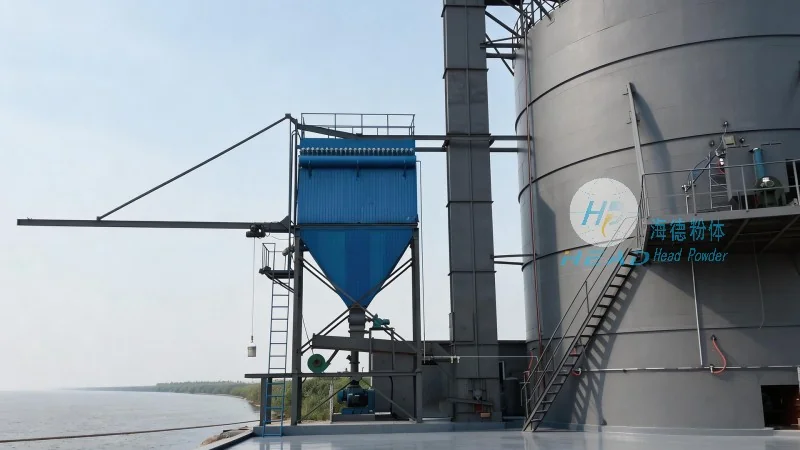
Conclusion
The choice of polysilicon conveying method is a critical decision that impacts production efficiency, material quality, and operational costs. By understanding the characteristics of the material and the specific requirements of the production process, manufacturers can select the most appropriate conveying system. Whether opting for gravity, pneumatic, or mechanical conveying, the goal is to ensure smooth, reliable, and efficient material transport. Companies like Shandong HeadPowder Engineering Co., Ltd. play a vital role in providing tailored solutions that address the unique needs of the polysilicon industry, helping businesses maintain competitive advantages and achieve optimal performance in their operations.

 Shandong Headpowder Engineering Co., Ltd.
 156-6277-7102(Quản lý Trương)
  0531-83386006
  Thành phố Tế Nam, Tỉnh Sơn Đông, Trung Quốc
Điện thoại
WeChatTư vấn
Lên đầu