Với hơn 10 năm kinh nghiệm về vận chuyển khí nén, Headpowder Sơn Đông cung cấp hệ thống, thiết bị và quạt gió toàn chuỗi, đảm nhận các dự án kỹ thuật bột trọn gói trên toàn quốc.
Micro bead powders are widely used in various industrial applications, from pharmaceuticals to food processing and beyond. The efficient and reliable handling of these fine powders is crucial for maintaining product quality and operational efficiency. Among the various methods available for powder transport, pneumatic conveying systems have emerged as a preferred solution due to their ability to handle delicate materials with minimal degradation. However, selecting the appropriate system for a specific micro bead powder application requires careful consideration of several key factors. This article aims to guide you through the process of choosing the right pneumatic conveying system for your micro bead powder handling needs, with insights from industry experts at Shandong HeadPowder Engineering Co., Ltd., a leading provider of specialized powder handling solutions.
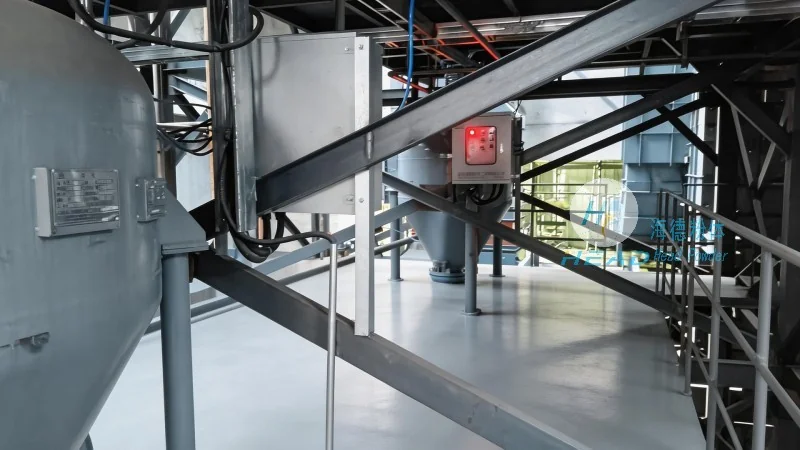
Understanding the Importance of Pneumatic Conveying for Micro Bead Powders
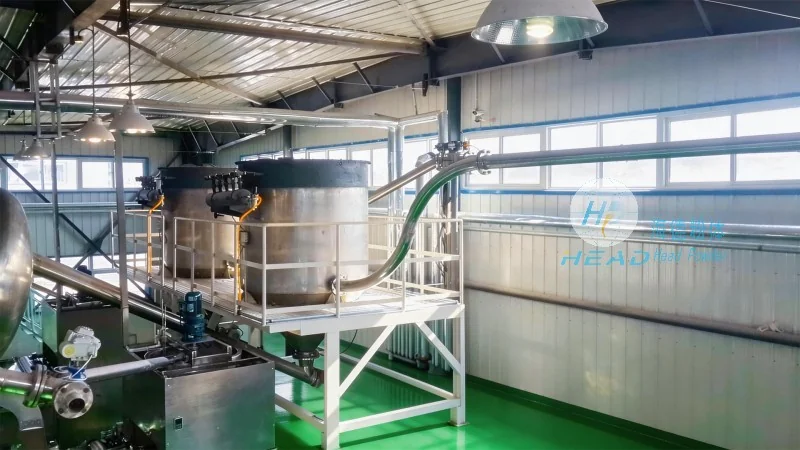
Micro bead powders, characterized by their small particle size and often fragile nature, demand handling methods that minimize particle breakage and agglomeration. Traditional bulk handling methods, such as belt conveyors or screw conveyors, may not be suitable due to the risk of attrition and contamination. Pneumatic conveying systems, which use air or other gases to transport powders through pipelines, offer a gentler approach. These systems can be designed to maintain the integrity of the powder, ensuring that its physical and chemical properties remain consistent throughout the process. For industries where product quality is paramount, such as pharmaceuticals or food, pneumatic conveying is often the preferred choice. It provides a closed system that prevents exposure to contaminants and maintains a controlled environment, which is essential for meeting regulatory standards. The ability to handle fine powders without causing damage also extends the shelf life of the product and reduces waste, contributing to overall cost savings.
Key Factors to Consider When Selecting a Pneumatic Conveying System
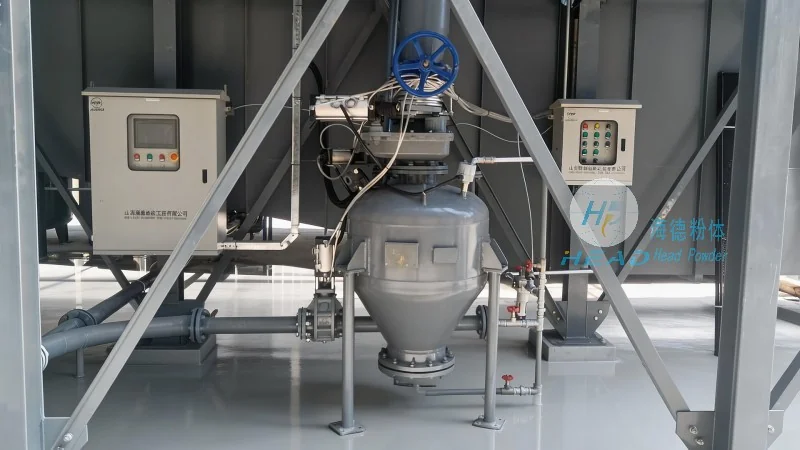
Choosing the right pneumatic conveying system for micro bead powders involves evaluating several critical factors. The first consideration is the material's physical properties, including particle size, density, and flowability. These characteristics will determine the type of conveying system—such as pressure or vacuum systems—and the necessary equipment, like rotary valves or feeders. For example, if the micro bead powder is highly cohesive or has a wide particle size distribution, a pressure system with a positive displacement blower might be more effective. Conversely, if the material is light and free-flowing, a vacuum system with a fan could be sufficient. Another crucial factor is the system's capacity and throughput requirements. The conveying system must be able to handle the desired flow rate without causing excessive pressure drops or energy consumption. This involves selecting the appropriate pipe diameter, air velocity, and blower or fan capacity. For instance, a larger pipe diameter reduces pressure drop but increases material cost, while a higher air velocity may improve efficiency but increase energy usage. The balance between these factors is critical to achieving optimal performance. Additionally, the system's scalability and flexibility are important, as production needs may change over time. A modular design allows for easy expansion or reconfiguration, ensuring that the system can adapt to future requirements without significant investment. This flexibility is particularly valuable for businesses that anticipate growth or changes in their production processes.
Types of Pneumatic Conveying Systems for Micro Bead Powders
There are primarily two types of pneumatic conveying systems used for micro bead powders: pressure systems and vacuum systems. Pressure systems operate by forcing air or gas into the material, creating a positive pressure that moves the powder through the pipeline. These systems are typically more suitable for longer distances or when the material needs to be transported to multiple destinations. They are often used in applications where the powder is being transferred from a silo or hopper to a processing unit. The pressure system consists of a blower, a feed device, and a pipeline network. The blower provides the necessary pressure to push the powder through the system, while the feed device ensures a consistent flow of material. The pipeline design, including the number of bends and the diameter of the pipes, is critical to maintaining system efficiency. Vacuum systems, on the other hand, use a fan to create a negative pressure that draws the powder into the pipeline. These systems are ideal for short distances or when the material is being collected from various points. They are commonly used in applications where the powder is being transferred from a mixer or a processing line back to a storage silo. The vacuum system includes a fan, a collection hopper, and a pipeline. The fan creates a vacuum that pulls the powder into the system, and the collection hopper stores the material until it is transferred to the next stage. Both systems have their advantages and disadvantages, and the choice depends on the specific application requirements. For instance, pressure systems are generally more efficient for high-volume applications, while vacuum systems are better suited for handling fine powders that are prone to caking or agglomeration.

 Shandong Headpowder Engineering Co., Ltd.
 156-6277-7102(Quản lý Trương)
  0531-83386006
  Thành phố Tế Nam, Tỉnh Sơn Đông, Trung Quốc
Điện thoại
WeChatTư vấn
Lên đầu