Với hơn 10 năm kinh nghiệm về vận chuyển khí nén, Headpowder Sơn Đông cung cấp hệ thống, thiết bị và quạt gió toàn chuỗi, đảm nhận các dự án kỹ thuật bột trọn gói trên toàn quốc.
Efficient cotton seed transport is crucial for optimizing the workflow in cotton processing facilities. The choice of conveying method significantly impacts operational efficiency, cost-effectiveness, and the overall quality of the cotton seed handling process. Understanding the various options available allows businesses to select the most suitable solution for their specific needs. Shandong HeadPowder Engineering Co., Ltd., a leading provider of cotton processing equipment, specializes in designing and manufacturing conveying systems tailored to the unique requirements of cotton seed handling.
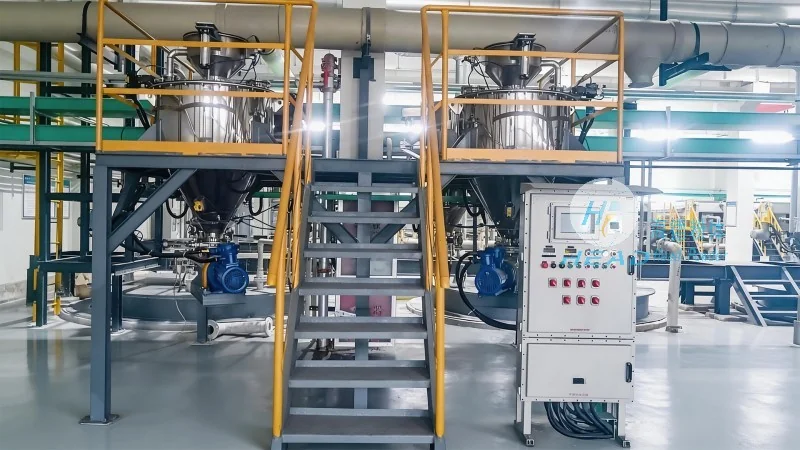
Key Considerations for Cotton Seed Conveying
Before selecting a conveying system, several factors must be evaluated. These include the volume of cotton seeds to be handled, the distance over which they need to be transported, the physical characteristics of the seeds (such as size, moisture content, and bulk density), and the available space within the facility. Additionally, the desired speed of transport, the need for minimal seed damage, and the integration with existing processing equipment are critical considerations. By addressing these factors, companies can make an informed decision that aligns with their operational goals.
Common Conveying Methods for Cotton Seeds
Several established methods are widely used in the cotton seed industry to ensure reliable and efficient transport. Each method has its own advantages and is best suited for specific applications.
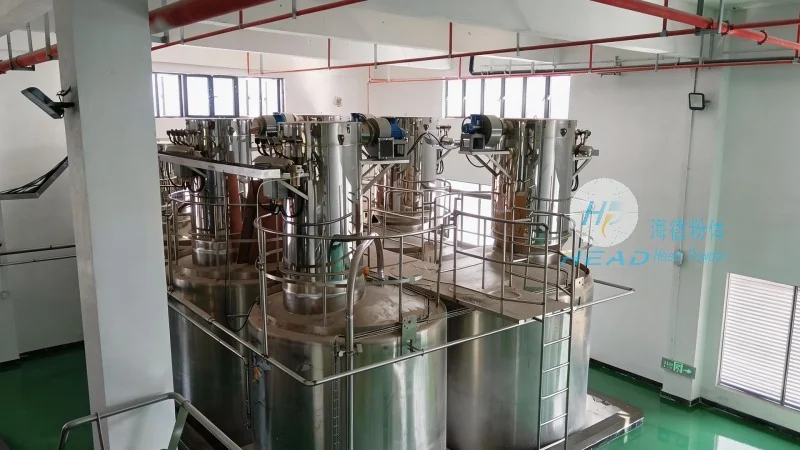
Mechanical Conveyors
Mechanical conveyors are among the most common solutions for cotton seed transport. These systems utilize mechanical components to move seeds from one location to another. A popular type is the belt conveyor, which consists of a continuous belt looped over pulleys. Cotton seeds are placed on the belt, and the belt’s movement transports them along the desired path. Belt conveyors are highly effective for horizontal and slightly inclined transport, offering a reliable and low-maintenance option. They can handle a wide range of seed volumes and are suitable for both short and medium distances. Another mechanical option is the screw conveyor, which uses a rotating screw to push seeds forward. Screw conveyors are particularly effective for vertical or inclined transport, making them ideal for elevating cotton seeds to higher levels or moving them through vertical chutes. These systems are known for their durability and ability to handle abrasive materials like cotton seeds without significant wear.
Gravity Conveyors
Gravity conveyors leverage the natural force of gravity to move cotton seeds. These systems typically consist of inclined chutes or troughs that allow seeds to slide or roll down from one point to another. Gravity conveyors are simple in design and require minimal energy input, as they rely on the seeds’ own weight to facilitate movement. They are particularly effective for short horizontal or slight incline distances, where the seeds can naturally flow without the need for additional power. However, their efficiency is limited by the slope of the chute and the seed’s characteristics. For example, seeds with high moisture content or irregular shapes may not flow as smoothly, potentially leading to uneven transport or blockages. Gravity conveyors are often used in combination with other systems to supplement horizontal or vertical transport needs.
Air Conveying Systems
Air conveying, or pneumatic conveying, uses compressed air to transport cotton seeds through a network of pipes. This method is highly flexible and can handle both dry and slightly moist seeds. There are two main types of air conveyors: positive displacement and pressure systems. Positive displacement systems use a pump to create a vacuum or pressure, drawing seeds into the pipe and moving them to the destination. Pressure systems, on the other hand, force air and seeds through the pipe using a blower. Air conveying is particularly advantageous for long-distance transport, as it can move seeds over several hundred meters without significant loss of efficiency. Additionally, it is well-suited for transporting seeds through vertical lifts or around obstacles, as the flexible pipe network can be easily routed to avoid structural constraints. However, air conveying systems require more maintenance than mechanical or gravity systems, as they involve moving parts like pumps and air filters. They also have higher energy consumption compared to other methods, which may impact operational costs.
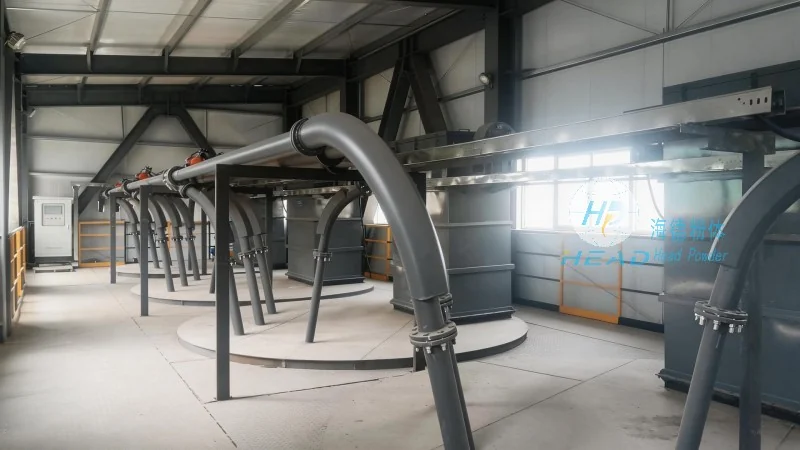
Hybrid Conveying Solutions
In many cases, a single conveying method may not fully meet all the requirements of a cotton processing facility. Hybrid systems, which combine two or more of the above methods, offer a more comprehensive solution. For example, a facility might use a belt conveyor to transport seeds horizontally over a short distance, followed by a screw conveyor to elevate them vertically, and then an air conveyor to transport them over a longer horizontal distance. This combination allows for efficient handling of different transport needs while minimizing the risk of bottlenecks or inefficiencies. Hybrid systems are particularly beneficial for large-scale operations where diverse transport requirements exist across the facility.
Choosing the Right Conveying System for Your Business
When selecting a cotton seed conveying system, it is essential to consider the specific needs of your operation. Consulting with industry experts, such as Shandong HeadPowder Engineering Co., Ltd., can provide valuable insights into the most suitable solution. The company, with its expertise in cotton processing equipment, offers tailored conveying systems that address the unique challenges of cotton seed handling. By evaluating factors such as seed characteristics, transport distance, and operational efficiency, businesses can make a well-informed decision that enhances productivity and reduces costs. The goal is to select a system that not only meets current needs but also adapts to future growth and technological advancements in the cotton industry.

 Shandong Headpowder Engineering Co., Ltd.
 156-6277-7102(Quản lý Trương)
  0531-83386006
  Thành phố Tế Nam, Tỉnh Sơn Đông, Trung Quốc
Điện thoại
WeChatTư vấn
Lên đầu