Với hơn 10 năm kinh nghiệm về vận chuyển khí nén, Headpowder Sơn Đông cung cấp hệ thống, thiết bị và quạt gió toàn chuỗi, đảm nhận các dự án kỹ thuật bột trọn gói trên toàn quốc.
Desulfurization and dust removal processes in industrial facilities generate large volumes of ash that need to be transported from the collection points to disposal or reutilization sites. The efficiency and reliability of ash transportation systems directly impact operational costs and environmental compliance. This article explores various methods for transporting desulfurization and dust removal ash, focusing on the technologies and considerations that ensure safe and effective material handling. Shandong HeadPowder Engineering Co., Ltd., a leading provider of ash transportation solutions, specializes in designing and implementing efficient systems for handling desulfurization and dust removal ash.
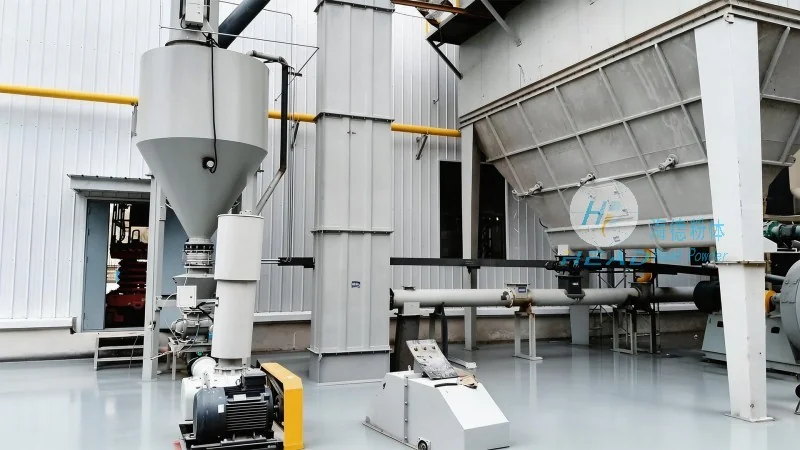
Overview of Ash Transportation Challenges
In power plants and other industrial applications, the ash produced by flue gas desulfurization (FGD) and dust removal systems is typically fine-grained, high in moisture content, and potentially corrosive. These characteristics make traditional bulk material handling methods less suitable, as they may lead to blockages, equipment wear, or environmental contamination. Therefore, selecting an appropriate ash transportation method requires careful evaluation of factors such as ash properties, distance, throughput requirements, and site constraints.
Common Transportation Methods for Desulfurization and Dust Removal Ash
Pneumatic Conveying Systems
Pneumatic conveying is a widely used method for transporting desulfurization and dust removal ash due to its ability to handle fine, dry, or slightly moist materials. This technology involves using compressed air to move ash through a pipeline network. There are two main types of pneumatic conveying systems: pressure and vacuum. Pressure systems use positive pressure to push ash from the source to the destination, while vacuum systems use negative pressure to pull ash. The choice between these depends on the distance and material characteristics. For example, pressure systems are ideal for short to medium distances (up to several hundred meters), while vacuum systems are better suited for longer distances or when the ash needs to be collected from multiple points.
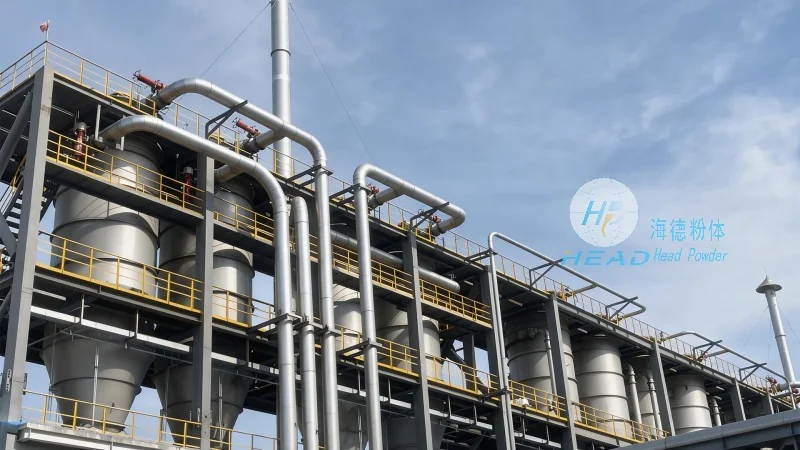
One of the key advantages of pneumatic conveying is its ability to transport ash without mechanical contact, reducing wear on equipment and minimizing the risk of material degradation. Additionally, this method can be integrated with other processes, such as ash dewatering or conditioning, to improve overall system efficiency. However, pneumatic conveying systems require significant energy input and may be less effective for very wet or sticky ash, as the high air velocity needed to move the material can cause clogging or increased energy consumption.
Positive Pressure Pneumatic Conveying
Positive pressure pneumatic conveying systems operate by injecting compressed air into the ash stream at the source, creating a pressure differential that propels the material through the pipeline. This method is commonly used for short-distance transport, typically up to 200 meters, and is suitable for dry or slightly moist ash. The system consists of a blower, a feeder, and a pipeline network. The blower provides the necessary air pressure, while the feeder controls the ash flow rate. The pipeline is usually made of stainless steel or plastic to resist corrosion from the ash and moisture.
Positive pressure systems are known for their simplicity and reliability. They can handle high throughput rates and are less prone to blockages compared to vacuum systems, as the positive pressure helps to keep the pipeline clear. However, they require a higher air pressure and may need additional equipment, such as air filters and moisture separators, to maintain system performance.
Negative Pressure Pneumatic Conveying
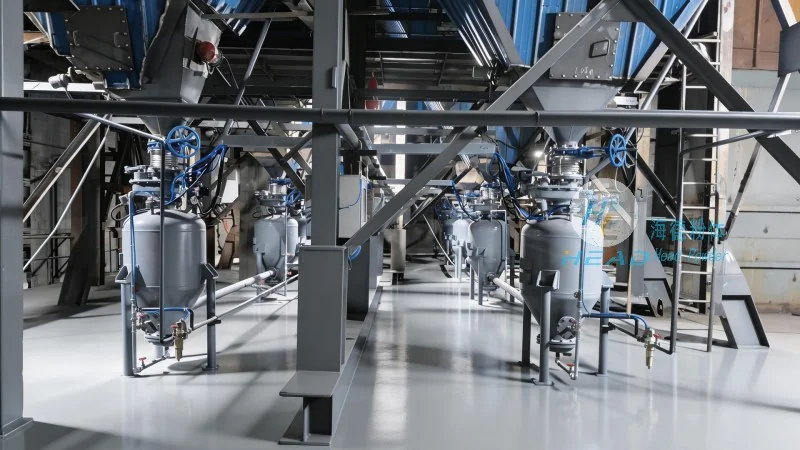
Negative pressure pneumatic conveying systems use a vacuum at the destination to draw ash from the source. This method is ideal for longer distances, up to several kilometers, and is suitable for transporting ash from multiple collection points to a central disposal or processing facility. The system includes a vacuum pump, a collection hopper, and a pipeline network. The vacuum pump creates a low-pressure environment at the destination, which pulls the ash through the pipeline.
One of the main advantages of negative pressure systems is their ability to handle longer distances without significant pressure losses. They are also more flexible in terms of layout, as the pipeline can be arranged in a loop or branched to collect ash from different locations. However, vacuum systems are more susceptible to blockages and require more maintenance, as the vacuum pump and filters need regular cleaning to prevent clogging.
Trunk and Branch Pneumatic Conveying
Trunk and branch pneumatic conveying systems combine the benefits of both pressure and vacuum systems. The main pipeline (trunk) operates under positive pressure, transporting ash from the source to a central point, while the branch lines operate under negative pressure, collecting ash from multiple points and feeding it into the trunk. This configuration is particularly useful in large industrial facilities where ash is generated from multiple sources and needs to be transported to a central disposal site.
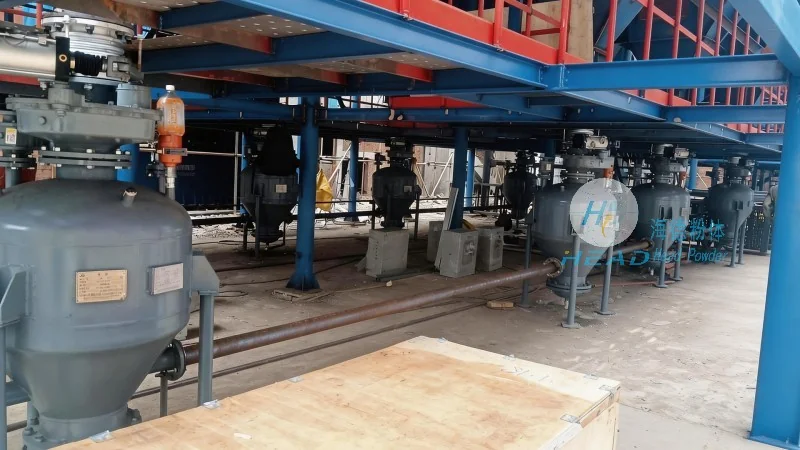
Trunk and branch systems offer high flexibility and can handle a wide range of ash properties. They are commonly used in power plants with multiple FGD units, as they can efficiently collect ash from each unit and transport it to a common storage or disposal area. However, this method requires careful design to ensure proper air flow and pressure distribution in the trunk and branches, as uneven flow can lead to blockages or reduced system efficiency.
Conveying Belts and Screw Conveyors
For applications where pneumatic conveying is not feasible or cost-effective, mechanical conveying systems such as conveying belts and screw conveyors are used. These methods rely on mechanical force to move ash through a system, typically using a continuous belt or a rotating screw.
Belt Conveyors
Belt conveyors are widely used for transporting desulfurization and dust removal ash due to their high capacity and ability to handle long distances. The system consists of a belt that runs over rollers, with the ash placed on the belt and moved by the belt's movement. Belt conveyors are suitable for dry or slightly moist ash and can transport ash over distances of several hundred meters to several kilometers. They are commonly used in power plants to move ash from the FGD system to a storage silo or disposal site.

 Shandong Headpowder Engineering Co., Ltd.
 156-6277-7102(Quản lý Trương)
  0531-83386006
  Thành phố Tế Nam, Tỉnh Sơn Đông, Trung Quốc
Điện thoại
WeChatTư vấn
Lên đầu