Với hơn 10 năm kinh nghiệm về vận chuyển khí nén, Headpowder Sơn Đông cung cấp hệ thống, thiết bị và quạt gió toàn chuỗi, đảm nhận các dự án kỹ thuật bột trọn gói trên toàn quốc.
Efficient and reliable transportation of cellulose is crucial for various industrial applications, from manufacturing to processing. Understanding the different methods available can help businesses optimize their operations and ensure the safe handling of this essential material. This article explores the primary approaches to cellulose transportation, highlighting the key factors that influence the choice of method. The information provided is based on the expertise of Shandong HeadPowder Engineering Co., Ltd., a leading provider of engineering solutions for material handling and transportation.
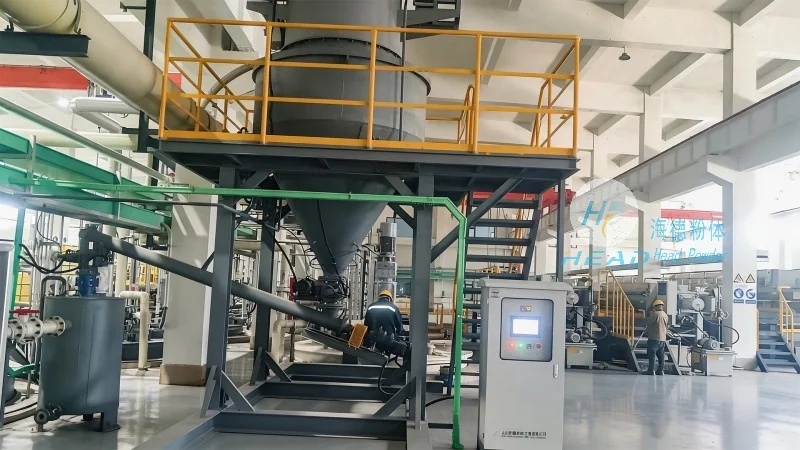
Understanding Cellulose and Its Transportation Needs
Cellulose, a natural polymer found in plant cell walls, is widely used in industries such as paper, textiles, and biofuels. Its transportation requires careful consideration due to its physical properties, including bulkiness, moisture sensitivity, and potential for dust generation. The choice of transportation method must align with the material's characteristics, the distance to be covered, and the specific requirements of the end-use application.
Common Cellulose Transportation Methods
Several methods are commonly employed for cellulose transportation, each with its own advantages and limitations. The selection of a method depends on factors like the volume of material, the distance, the need for containment, and the environmental considerations. Below are the primary options:
1. Bulk Handling and Conveying Systems
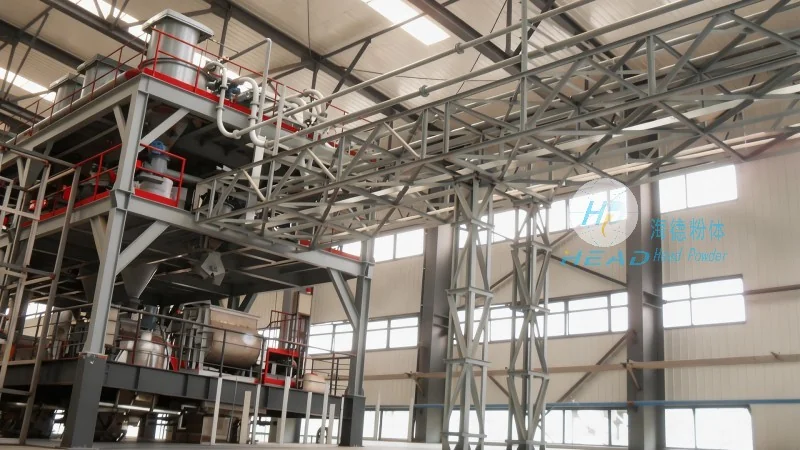
Bulk handling systems are widely used for large-scale cellulose transportation, particularly in industrial settings. These systems typically involve conveyor belts, screw conveyors, and pneumatic conveyors. Conveyor belts are effective for horizontal and slight incline transport, while screw conveyors are suitable for vertical or inclined movement. Pneumatic conveyors use air pressure to move cellulose through pipes, making them ideal for long-distance or enclosed environments. The choice of bulk handling equipment is often determined by the material's flowability and the need to minimize dust exposure.
2. Bagging and Packaging for Transport
For smaller quantities or when transporting cellulose to specific locations, bagging and packaging methods are commonly used. This approach involves packaging cellulose in bags or containers that are designed to protect the material from moisture and contamination. The packaging materials, such as woven polypropylene or kraft paper, are selected based on the material's properties and the transportation conditions. This method is particularly useful for distribution to end-users or for storage before further processing. The bags are typically sealed and labeled to ensure proper handling and identification during transit.
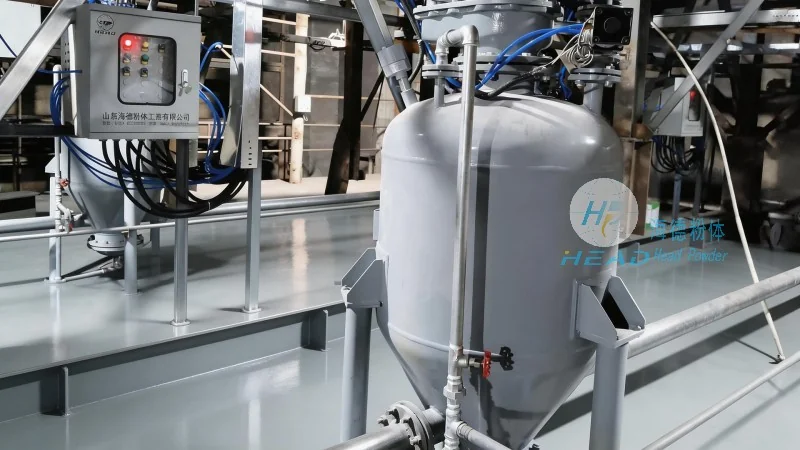
3. Truck and Rail Transport
Truck and rail transport are essential for long-distance transportation of cellulose. Trucks offer flexibility in reaching various locations, including remote or industrial sites, while rail transport is more suitable for bulk quantities over long distances. Both methods require proper containment to prevent spillage and dust emissions. Trucks may use bulk trailers or enclosed containers, while rail transport utilizes specialized hopper cars designed to handle bulk materials. The choice between truck and rail often depends on the volume, destination, and logistical constraints of the shipment.
4. Waterway Transport
Waterway transport, including barges and ships, is an efficient option for transporting large volumes of cellulose over long distances, especially when the destination is near a waterway. This method is particularly advantageous for reducing transportation costs and minimizing environmental impact compared to road or rail transport. The use of specialized barges or ships equipped with bulk handling systems ensures the safe and efficient movement of cellulose. Waterway transport is commonly used for bulk commodities and is a key component of global supply chains for cellulose.
5. Specialized Equipment for Handling and Transport
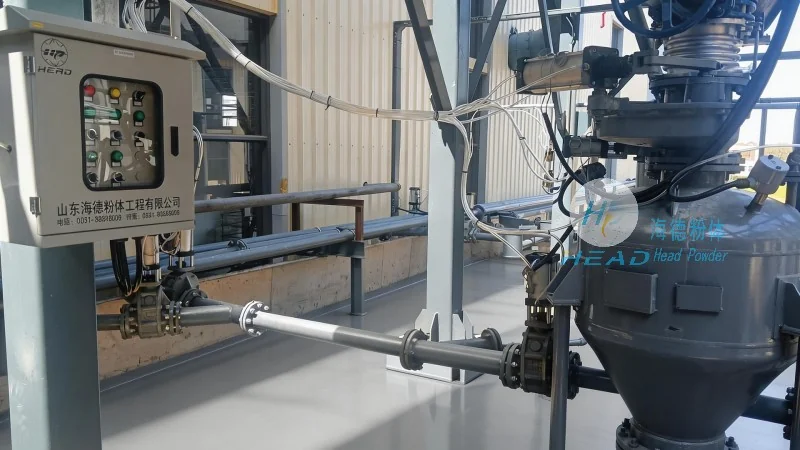
In addition to the general methods mentioned above, specialized equipment is often employed to handle and transport cellulose in specific applications. For example, in the paper industry, specialized machinery such as pulpers and refiners may be used to process cellulose before transportation. In biofuel production, cellulose may be transported in slurry form, requiring specialized pipelines and pumps. These specialized systems are designed to address the unique challenges of each application, ensuring efficient and safe transport of the material.
Choosing the Right Cellulose Transportation Method
When selecting a cellulose transportation method, several factors must be considered to ensure optimal performance and cost-effectiveness. The volume and consistency of the material, the distance to be covered, the need for containment, and the environmental regulations are all critical factors. Additionally, the cost of equipment, maintenance, and operation must be evaluated against the benefits of each method. Businesses should also consider the availability of infrastructure, such as conveyor systems or transportation networks, and the expertise required to operate the chosen method.
Conclusion
Efficient cellulose transportation is essential for the smooth operation of various industries. By understanding the different methods available and considering the specific needs of the application, businesses can choose the most suitable approach. Whether using bulk handling systems, packaging for transport, truck or rail, waterway, or specialized equipment, the goal is to ensure the safe, reliable, and cost-effective movement of cellulose. With the right approach, businesses can optimize their operations and maintain a competitive edge in the market. For more information on cellulose transportation solutions, contact Shandong HeadPowder Engineering Co., Ltd., a trusted partner in material handling and engineering based in Shandong, China.

 Shandong Headpowder Engineering Co., Ltd.
 156-6277-7102(Quản lý Trương)
  0531-83386006
  Thành phố Tế Nam, Tỉnh Sơn Đông, Trung Quốc
Điện thoại
WeChatTư vấn
Lên đầu