Với hơn 10 năm kinh nghiệm về vận chuyển khí nén, Headpowder Sơn Đông cung cấp hệ thống, thiết bị và quạt gió toàn chuỗi, đảm nhận các dự án kỹ thuật bột trọn gói trên toàn quốc.
Gelatin, a versatile and widely used ingredient in various industries such as food, pharmaceuticals, and cosmetics, requires efficient and reliable methods for transportation from production sites to processing facilities. The choice of conveying system significantly impacts operational efficiency, product quality, and overall production costs. Among the various options available, pneumatic conveying stands out as a preferred method for handling gelatin due to its unique advantages and features.
Understanding Different Gelatin Conveying Options
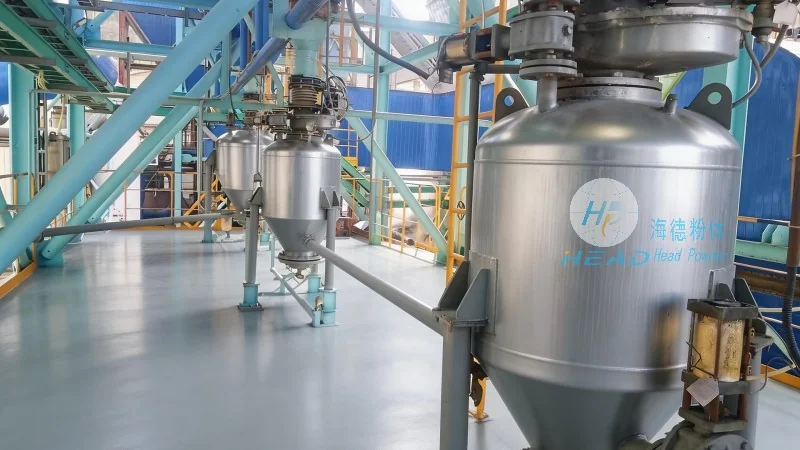
When it comes to transporting gelatin, several methods are commonly employed. These include mechanical conveying systems like belt conveyors, screw conveyors, and bucket elevators, as well as pneumatic conveying systems. Each method has its own set of characteristics and applications. However, for bulk handling of gelatin, especially in large-scale production environments, pneumatic conveying offers superior performance and flexibility.
Pneumatic Conveying: A Detailed Overview
Pneumatic conveying, also known as air conveying, utilizes air or gas to transport bulk materials like gelatin through a pipeline system. This method can be categorized into two main types: pressure and vacuum systems. Pressure systems use compressed air to push the material forward, while vacuum systems use a vacuum to pull the material into the pipeline. Both systems are effective for gelatin handling, but the choice depends on factors such as the distance to be covered, the volume of material, and the required flow rate.
Advantages of Pneumatic Conveying for Gelatin
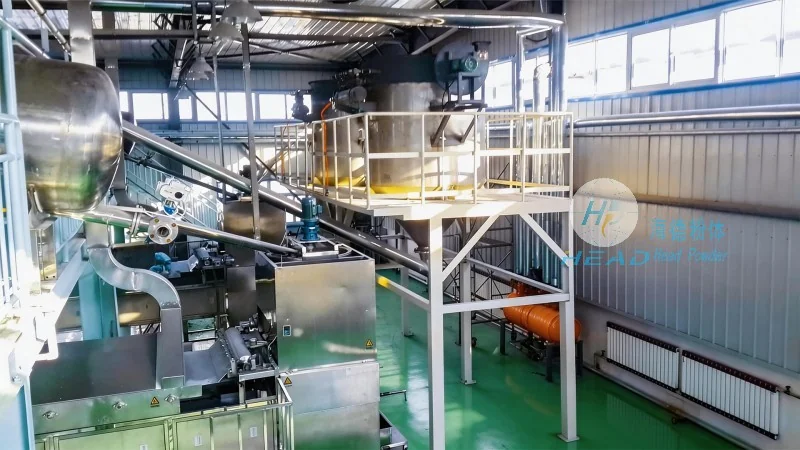
One of the key advantages of pneumatic conveying for gelatin is its ability to handle fine powders without causing segregation or degradation. Gelatin particles are often delicate and can be easily damaged by mechanical contact or friction. Pneumatic systems minimize these risks by using air to move the material gently through the pipeline. Additionally, pneumatic conveying offers high efficiency in terms of material throughput, allowing for continuous and uninterrupted operation.
Another significant advantage is the hygienic and clean operation of pneumatic systems. Gelatin is used in food and pharmaceutical applications where contamination must be strictly controlled. Pneumatic conveying systems can be designed with stainless steel components and sealed pipelines, reducing the risk of cross-contamination and ensuring compliance with regulatory standards. This makes them ideal for handling sensitive products like gelatin.
Key Features of Pneumatic Conveying Systems for Gelatin
Modern pneumatic conveying systems for gelatin are equipped with several features that enhance their performance and reliability. These include adjustable air flow controls, which allow operators to optimize the conveying rate based on the material's properties and pipeline length. Additionally, many systems incorporate dust collection and filtration units to ensure clean air discharge and prevent environmental contamination.
Furthermore, pneumatic conveying systems can be integrated with other processing equipment, such as mixers and dryers, to create a seamless production line. This integration improves overall operational efficiency and reduces the need for manual handling, which is crucial for maintaining product quality and safety. The modular design of these systems also allows for easy expansion or modification as production needs change.
Application Examples in Gelatin Production
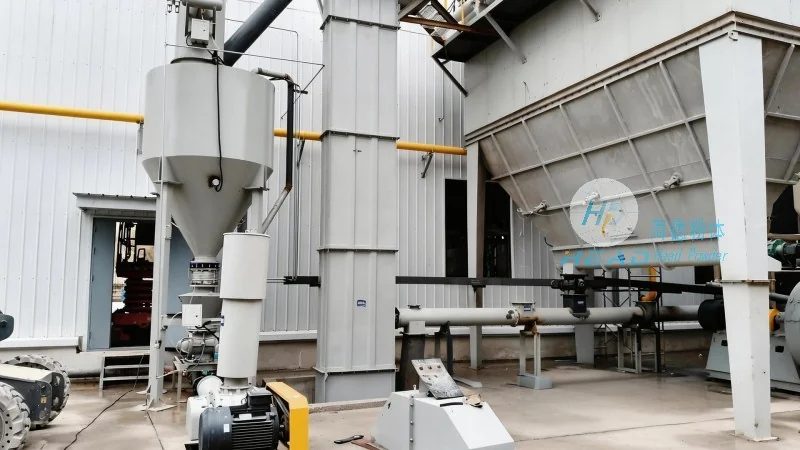
In real-world applications, pneumatic conveying is widely used in gelatin production facilities. For instance, in a large-scale gelatin manufacturing plant, raw gelatin powder is pneumatically conveyed from storage silos to the mixing and processing areas. This ensures a consistent and uniform supply of material, which is essential for maintaining product consistency. The system can handle high volumes of gelatin, often up to several tons per hour, with minimal downtime and maintenance.
Another example is the use of pneumatic conveying in the packaging stage. After processing, gelatin is often packaged in bags or containers, and the conveying system can be used to transport the finished product to the packaging line. This integrated approach streamlines the entire production process, from raw material handling to final product delivery.
Conclusion: Choosing the Right Conveying System for Gelatin
When selecting a conveying system for gelatin, it is essential to consider the specific requirements of the application, including material properties, production scale, and operational environment. While mechanical systems may be suitable for small-scale operations, pneumatic conveying is often the preferred choice for large-scale, high-efficiency production. The advantages of pneumatic conveying, including its ability to handle delicate materials, maintain hygiene, and improve operational efficiency, make it a cost-effective and reliable solution for gelatin handling.
As a leading provider of engineering solutions for material handling, Shandong HeadPowder Engineering Co., Ltd. specializes in designing and manufacturing pneumatic conveying systems tailored to the needs of the gelatin industry. With years of experience and a commitment to quality, HeadPowder offers customized solutions that enhance productivity and ensure product integrity. Whether for new installations or system upgrades, HeadPowder's expertise in pneumatic conveying helps gelatin manufacturers achieve their operational goals efficiently and reliably.

 Shandong Headpowder Engineering Co., Ltd.
 156-6277-7102(Quản lý Trương)
  0531-83386006
  Thành phố Tế Nam, Tỉnh Sơn Đông, Trung Quốc
Điện thoại
WeChatTư vấn
Lên đầu