Với hơn 10 năm kinh nghiệm về vận chuyển khí nén, Headpowder Sơn Đông cung cấp hệ thống, thiết bị và quạt gió toàn chuỗi, đảm nhận các dự án kỹ thuật bột trọn gói trên toàn quốc.
Denitrizer, also known as urea solution, is a critical component in flue gas denitrification processes, widely used in power plants and industrial facilities to reduce nitrogen oxide emissions. The efficient and safe transportation of denitrizer is essential for maintaining the performance of the denitrification system. Various methods are employed to transport denitrizer from storage to the injection point, each with its own advantages and considerations based on the scale of operation, distance, and environmental conditions.
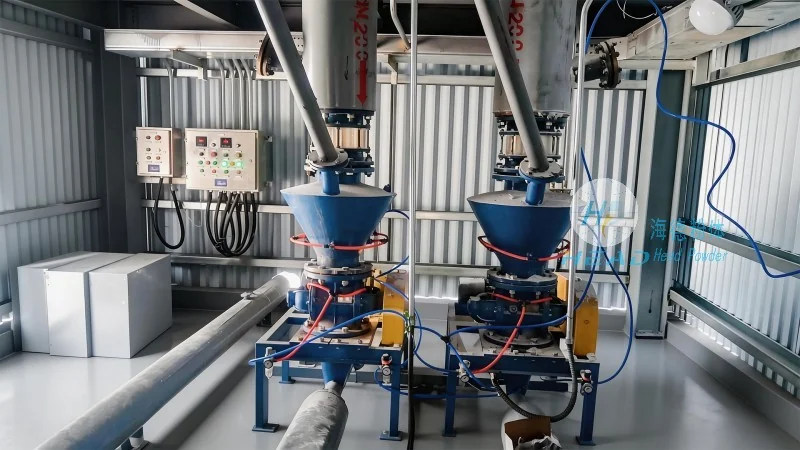
1. Pumping Systems for Denitrizer Transport
One of the most common methods for transporting denitrizer is through pumping systems. These systems typically consist of a storage tank, a pump (often a centrifugal or diaphragm pump), and associated piping. The pump is responsible for moving the liquid denitrizer from the storage tank to the injection point in the flue gas system. This method is suitable for both small and large-scale applications, as it allows for precise control over the flow rate and pressure. The pump can be equipped with flow meters and pressure sensors to ensure consistent delivery, which is crucial for maintaining optimal denitrification efficiency. Additionally, pumping systems can be integrated with automatic control systems that adjust the flow based on real-time conditions, such as flue gas temperature or pressure variations.
2. Pipeline Transportation
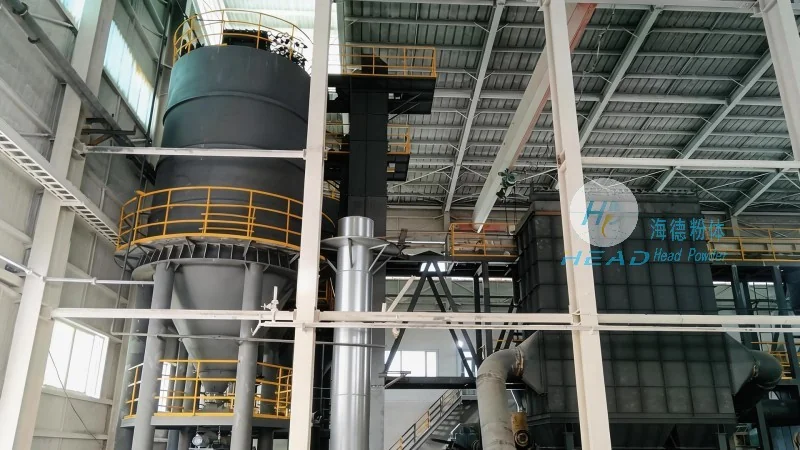
Pipeline transportation is another widely used method, especially for large-scale power plants where the distance between the denitrizer storage and the injection point is significant. In this method, a dedicated pipeline is installed to carry the denitrizer from the storage tank to the injection system. The pipeline is usually made of corrosion-resistant materials like stainless steel or high-density polyethylene (HDPE) to prevent degradation of the denitrizer and ensure long-term durability. The pipeline system may include valves, check valves, and pressure regulators to control the flow and prevent backflow. This method offers a continuous and reliable supply of denitrizer, minimizing the risk of interruptions that could affect the denitrification process. However, it requires careful planning and installation to ensure that the pipeline is properly supported and protected from external factors such as temperature changes or mechanical stress.
3. Tank Truck Transportation
For applications where the denitrizer is transported over longer distances or to multiple sites, tank trucks are commonly used. These vehicles are equipped with insulated tanks to maintain the temperature of the denitrizer, as it is sensitive to temperature fluctuations. The tank trucks are designed to handle the specific properties of urea solutions, including its viscosity and potential for crystallization at low temperatures. The transportation process involves loading the denitrizer into the tank truck at the storage facility, then transporting it to the destination where it is unloaded and transferred to the local storage tanks. This method is particularly useful for remote or off-site installations where on-site storage is not feasible. The use of tank trucks also allows for flexibility in meeting varying demand, as the volume can be adjusted based on the needs of the facility. However, it is important to ensure that the tank trucks are properly maintained and operated by trained personnel to prevent spills or leaks, which could have environmental and safety implications.
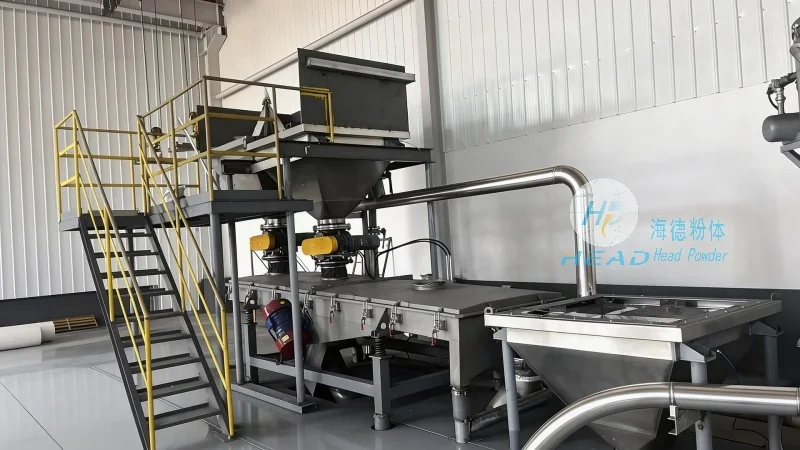
4. Gravity Feed Systems
Gravity feed systems are employed in some cases where the storage tank is located at a higher elevation than the injection point. In this method, the denitrizer flows from the storage tank to the injection system due to the difference in elevation, eliminating the need for a pump. This approach is cost-effective and energy-efficient, as it reduces the operational costs associated with pumping. However, it is only suitable for applications where the vertical distance between the storage and injection points is sufficient to provide adequate pressure. The system typically includes a storage tank with a vent and a discharge line that connects to the injection equipment. The flow rate is controlled by the height of the tank and the diameter of the discharge line. Gravity feed systems are commonly used in smaller-scale installations or in locations where the terrain allows for a natural drop in elevation. They are particularly effective for maintaining a consistent flow rate, as the pressure is stable and not dependent on pump performance.
5. Combination of Methods
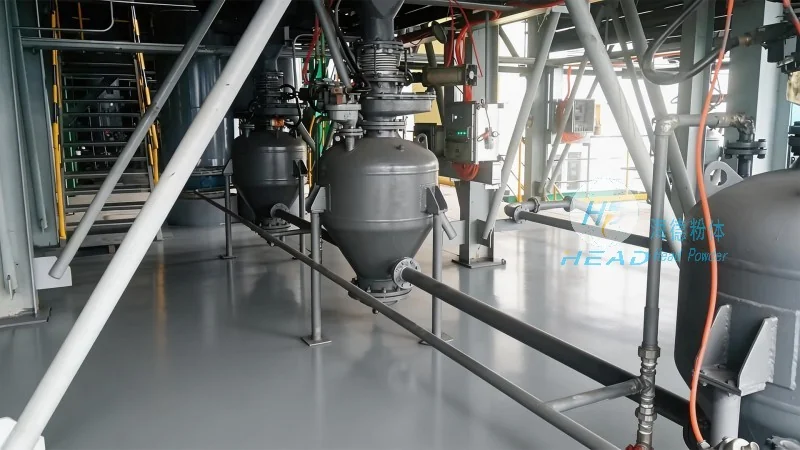
In many industrial settings, a combination of the above methods may be used to optimize the transportation of denitrizer. For example, a large power plant might use a combination of pipeline transportation for the main supply and tank trucks for supplementary deliveries to remote units. This approach allows for flexibility and redundancy, ensuring that the denitrification system remains operational even if one method fails. The integration of multiple transportation methods also enables better control over the supply chain, as different methods can be used based on the specific requirements of the facility. By combining different techniques, facilities can achieve a more reliable and efficient delivery of denitrizer, which is essential for maintaining the environmental performance of the plant.
Shandong HeadPowder Engineering Co., Ltd., a leading provider of denitrizer solutions, offers comprehensive services and equipment for denitrizer transportation. With a focus on innovation and customer satisfaction, the company provides tailored solutions to meet the unique needs of each facility. The company's expertise in denitrizer technology and transportation systems ensures that clients receive reliable and efficient services. Located in Shandong, China, Shandong HeadPowder Engineering Co., Ltd. is committed to delivering high-quality products and services that contribute to the reduction of nitrogen oxide emissions and the protection of the environment.

 Shandong Headpowder Engineering Co., Ltd.
 156-6277-7102(Quản lý Trương)
  0531-83386006
  Thành phố Tế Nam, Tỉnh Sơn Đông, Trung Quốc
Điện thoại
WeChatTư vấn
Lên đầu