Với hơn 10 năm kinh nghiệm về vận chuyển khí nén, Headpowder Sơn Đông cung cấp hệ thống, thiết bị và quạt gió toàn chuỗi, đảm nhận các dự án kỹ thuật bột trọn gói trên toàn quốc.
When it comes to the efficient and reliable transportation of sulfur powder, the design of a well-structured pneumatic conveying system is crucial. This article will explore the key considerations and steps involved in creating a reasonable plan for such a system, focusing on the expertise and solutions provided by Shandong HeadPowder Engineering Co., Ltd., a leading company in the field.
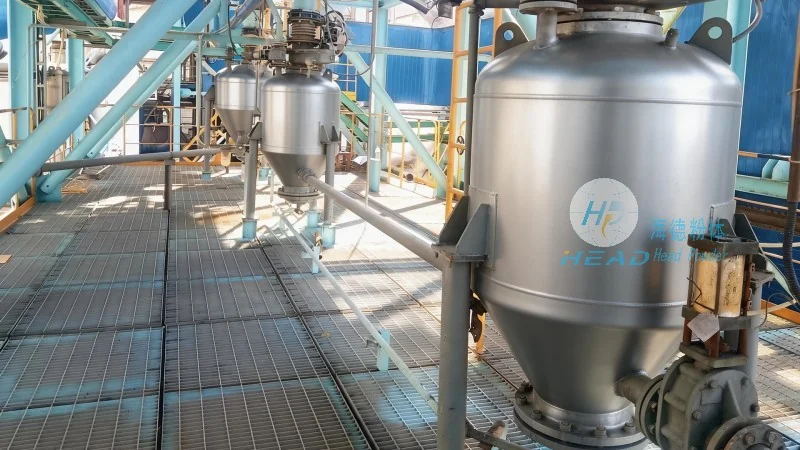
Understanding the Core Principles of Sulfur Powder Pneumatic Conveying
Pneumatic conveying systems utilize air or gas to transport bulk materials like sulfur powder through a pipeline network. The effectiveness of this method depends on several fundamental principles, including the balance between air velocity and material flow rate, the selection of appropriate equipment, and the prevention of material degradation or blockages. A well-designed system ensures that sulfur powder is moved safely, efficiently, and with minimal loss or contamination.
Key Factors to Consider in System Design
Designing a pneumatic conveying system for sulfur powder requires careful evaluation of multiple factors. First, the material characteristics of sulfur powder, such as its particle size, density, and flowability, must be thoroughly analyzed. These properties directly impact the air velocity needed to maintain a stable flow and prevent clogging. Additionally, the system's capacity requirements—determined by the production rate and distance of material transport—must be accurately assessed to ensure the chosen equipment can handle the load without excessive energy consumption or pressure drops.
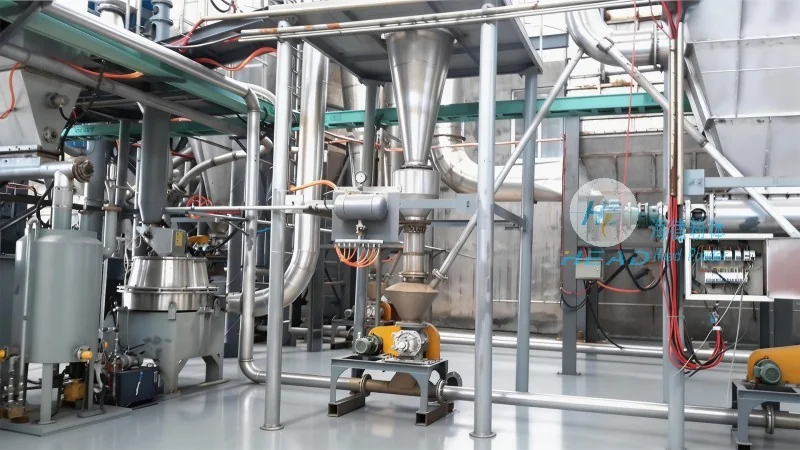
Equipment Selection and System Layout
Choosing the right equipment is a critical step in system design. For sulfur powder, common components include a feed hopper, a blower or compressor to generate the air flow, a pipeline system with appropriate diameter and material (often stainless steel to prevent corrosion), and a discharge hopper or receiver. The layout of the pipeline must be optimized to minimize pressure losses and ensure smooth material transport. For example, the use of bends, elbows, and straight sections with proper sizing is essential to maintain consistent air velocity and prevent material accumulation.
Ensuring System Reliability and Maintenance
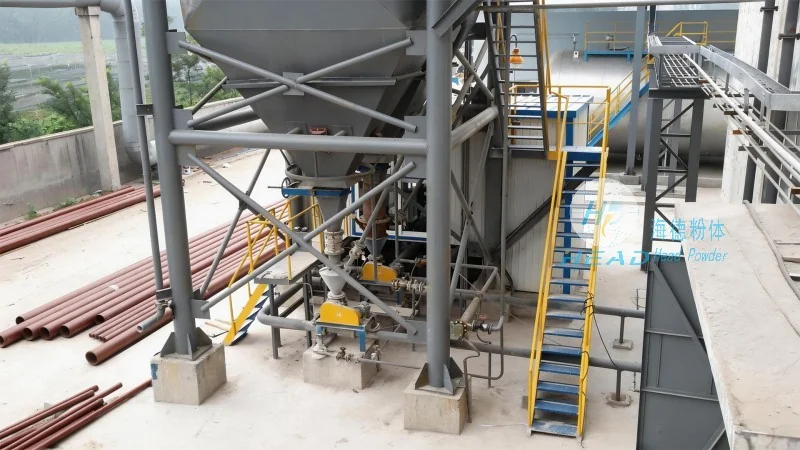
A reliable pneumatic conveying system for sulfur powder must be designed with maintenance and operational efficiency in mind. Regular maintenance, such as cleaning filters, checking air pressure, and inspecting pipeline integrity, is vital to prevent system failures. Additionally, incorporating features like automatic shut-off valves or pressure sensors can enhance safety and reduce downtime. Shandong HeadPowder Engineering Co., Ltd. emphasizes the importance of durable, corrosion-resistant materials and robust construction to ensure long-term performance and minimal maintenance requirements.
Case Studies and Practical Applications
Real-world applications of sulfur powder pneumatic conveying systems highlight the importance of a well-designed plan. For instance, in industrial settings where sulfur powder is used for production processes, a properly configured system can significantly improve material handling efficiency, reduce labor costs, and enhance overall operational safety. By leveraging the expertise of companies like Shandong HeadPowder Engineering Co., Ltd., industries can achieve optimized material transport solutions tailored to their specific needs.

 Shandong Headpowder Engineering Co., Ltd.
 156-6277-7102(Quản lý Trương)
  0531-83386006
  Thành phố Tế Nam, Tỉnh Sơn Đông, Trung Quốc
Điện thoại
WeChatTư vấn
Lên đầu