Với hơn 10 năm kinh nghiệm về vận chuyển khí nén, Headpowder Sơn Đông cung cấp hệ thống, thiết bị và quạt gió toàn chuỗi, đảm nhận các dự án kỹ thuật bột trọn gói trên toàn quốc.
Steel grit, a vital abrasive material utilized extensively in industrial surface treatment and finishing processes, demands efficient and reliable conveying systems to ensure seamless operations. The selection of a conveying method hinges on various factors including the material's characteristics, the distance to be transported, and the required throughput. This article examines the common methods for steel grit conveying, detailing their applications and benefits.
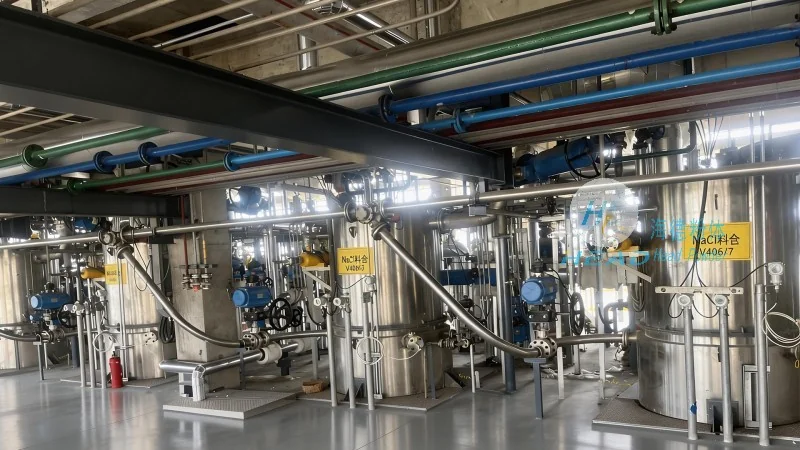
1. Gravity Conveying
Gravity conveying leverages the natural weight of steel grit to move it through inclined chutes or pipelines. This approach is ideal for short to medium transport distances where the material can be guided by gravity without external power. The simplicity of gravity systems makes them cost-effective for handling large, free-flowing particles. For example, in metalworking facilities, gravity chutes are often employed to transport steel grit from storage bins to processing equipment, reducing mechanical intervention and energy use.
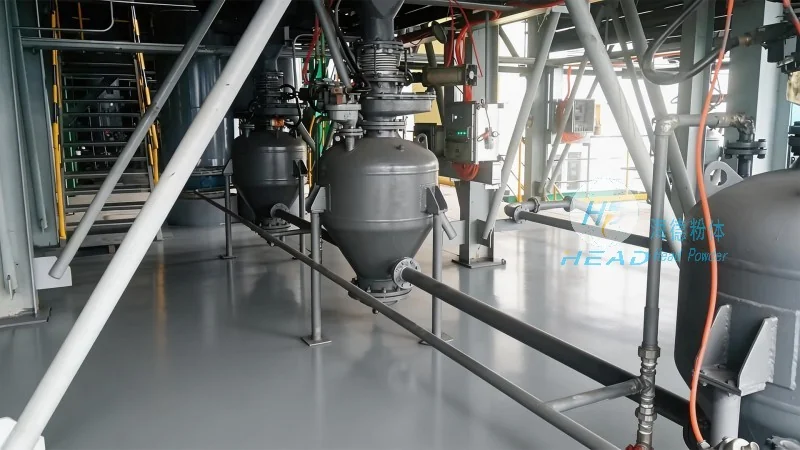
2. Mechanical Conveying
Mechanical conveying systems utilize machinery to move steel grit, offering greater control and flexibility compared to gravity methods. Two prevalent types include belt conveyors and screw conveyors. Belt conveyors are versatile, suitable for both horizontal and inclined transport, making them adaptable to various industrial settings. They excel at transporting steel grit over longer distances with consistent speed and capacity. Screw conveyors, on the other hand, employ a rotating screw to push material forward, enabling vertical or horizontal movement. This method is advantageous for handling fine or cohesive steel grit, as the screw design prevents material from sticking or clogging. Companies like Shandong HeadPowder Engineering Co., Ltd. specialize in manufacturing customized mechanical conveying solutions tailored to specific industrial needs, ensuring optimal performance and durability.
3. Pneumatic Conveying
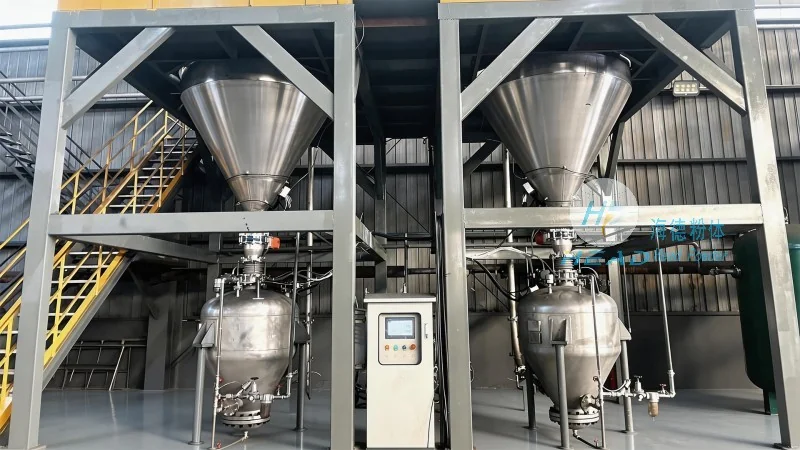
Pneumatic conveying employs compressed air or vacuum to transport steel grit through a closed system. This method is highly effective for long-distance or high-volume applications where other systems may be impractical. There are two main types: pressure and vacuum systems. Pressure systems push the material using compressed air, while vacuum systems pull it using a vacuum pump. Pneumatic conveying offers advantages such as the ability to transport steel grit in a sealed environment, preventing dust contamination and ensuring product integrity. It is commonly used in industries where dust control is critical, such as automotive and aerospace manufacturing. The flexibility of pneumatic systems allows for easy integration with existing production lines, and manufacturers like HeadPowder provide advanced pneumatic conveying solutions that enhance operational efficiency and safety.
4. Hybrid Conveying Systems
In some cases, combining different conveying methods optimizes steel grit transport. For instance, a hybrid system might use gravity for initial transport and then switch to a mechanical conveyor for longer distances. This approach leverages the strengths of each method, reducing energy consumption and improving overall system efficiency. Hybrid systems are particularly beneficial in complex industrial setups where multiple processing stages are involved. By integrating gravity, mechanical, and pneumatic components, companies can achieve seamless material flow, minimizing downtime and maximizing productivity. Shandong HeadPowder Engineering Co., Ltd. offers comprehensive hybrid conveying solutions that cater to diverse industrial requirements, ensuring that clients receive tailored systems that meet their specific operational demands.
5. Key Considerations for Choosing a Conveying Method
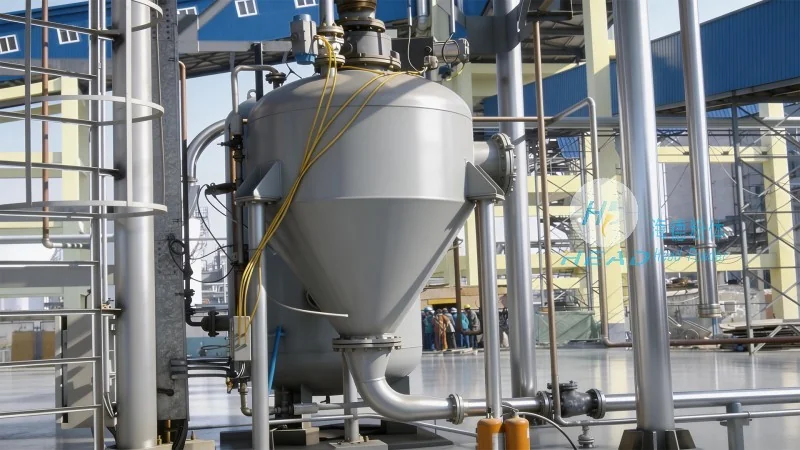
When selecting a steel grit conveying method, several factors must be considered to ensure optimal performance. The first is the material's physical properties, including particle size, density, and moisture content. Larger, denser particles may be better suited for gravity or mechanical systems, while fine or dry grit may require pneumatic transport. The distance to be covered is another critical factor; short distances often favor gravity or mechanical systems, while long distances may necessitate pneumatic solutions. Additionally, the required throughput and operational speed must align with the chosen method to avoid bottlenecks or inefficiencies. Environmental considerations, such as dust control and noise reduction, also play a role, especially in industries with strict regulations. By carefully evaluating these factors, industrial facilities can choose the most suitable conveying method for their steel grit handling needs.
Conclusion
Efficient steel grit conveying is essential for maintaining productivity and quality in industrial applications. The common methods discussed—gravity, mechanical, pneumatic, and hybrid systems—each offer unique advantages and are suitable for different scenarios. Companies like Shandong HeadPowder Engineering Co., Ltd. provide specialized equipment and solutions to meet these diverse needs, ensuring that industrial operations can achieve reliable, cost-effective, and sustainable material transport. By understanding the characteristics of each conveying method and selecting the appropriate system, businesses can enhance their operational efficiency and meet the demands of modern industrial processes.

 Shandong Headpowder Engineering Co., Ltd.
 156-6277-7102(Quản lý Trương)
  0531-83386006
  Thành phố Tế Nam, Tỉnh Sơn Đông, Trung Quốc
Điện thoại
WeChatTư vấn
Lên đầu