Với hơn 10 năm kinh nghiệm về vận chuyển khí nén, Headpowder Sơn Đông cung cấp hệ thống, thiết bị và quạt gió toàn chuỗi, đảm nhận các dự án kỹ thuật bột trọn gói trên toàn quốc.
Protein powder, a staple in many nutritional and fitness regimens, requires efficient and reliable methods for transportation from production facilities to end-users. The choice of conveying system significantly impacts product quality, operational efficiency, and overall cost-effectiveness. This article explores the primary methods used for protein powder conveyance, highlighting the key considerations for selecting the most suitable option.
Key Factors Influencing Conveying Method Selection
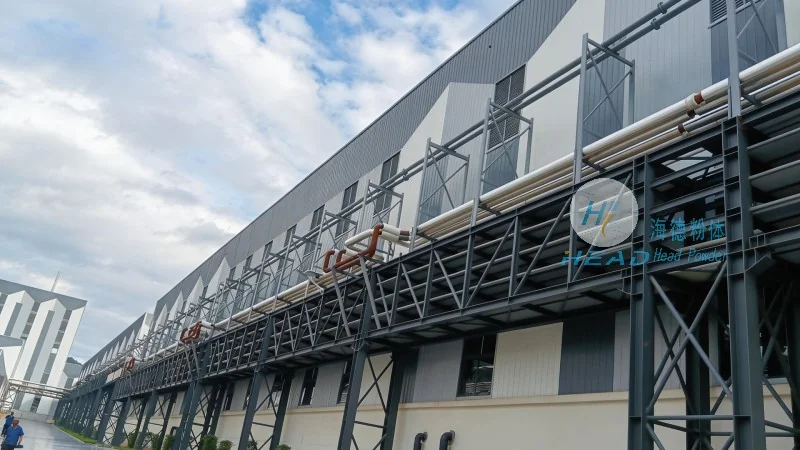
When evaluating protein powder conveying systems, several critical factors must be considered. These include the powder's physical properties—such as particle size, moisture content, and flowability—along with the scale of production and the distance over which the powder needs to be transported. Additionally, factors like hygiene standards, energy consumption, and maintenance requirements play a vital role in determining the optimal conveying method. For manufacturers, balancing these elements ensures that the chosen system aligns with both operational goals and regulatory compliance.
Common Conveying Methods for Protein Powder
Several established techniques are widely used in the protein powder industry. Each method has distinct advantages and is best suited to specific operational scenarios. The primary options include:
Air Conveying Systems
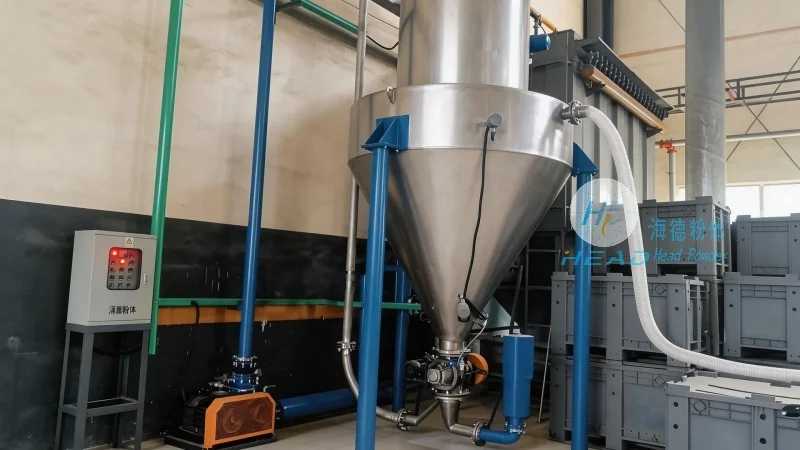
Air conveying, also known as pneumatic conveying, utilizes compressed air to transport protein powder through a network of pipes. This method is particularly effective for fine powders and offers advantages such as high capacity, low maintenance, and the ability to transport materials over long distances. There are two main types of air conveying: pressure and vacuum systems. Pressure systems use positive pressure to push the powder through the system, while vacuum systems create a negative pressure to draw the powder. The choice between these depends on the distance and the nature of the powder being handled. For example, headpowder, a leading manufacturer based in Shandong, China, may employ air conveying for its bulk protein powder products to ensure consistent and hygienic transport from production lines to storage or packaging areas.
Bucket Elevators
Bucket elevators are mechanical devices that lift and transport protein powder vertically or at an incline. These systems consist of a series of buckets attached to a rotating chain or belt, which moves the powder upward. Bucket elevators are ideal for handling bulk quantities of powder and are commonly used in large-scale production facilities. They offer high efficiency and can handle abrasive powders without significant wear. However, they require regular maintenance to prevent bucket wear and ensure smooth operation. The design of the bucket elevator, including the bucket spacing and material, is tailored to the specific characteristics of the protein powder to minimize product degradation.
Pneumatic Conveying with Screw Conveyors
A combination of pneumatic and mechanical conveying, this method uses a screw conveyor to move the powder and a pneumatic system to assist in transport. The screw conveyor provides the primary movement, while the air system helps to control the flow and prevent clogging. This hybrid approach is particularly useful for handling sticky or cohesive protein powders, as the screw provides the necessary shear to keep the material moving. The system is often equipped with air knives or blowers to maintain a consistent flow rate. For manufacturers like headpowder, this method can enhance the efficiency of material handling, especially in facilities where both vertical and horizontal transport is required.
Gravity Conveyors
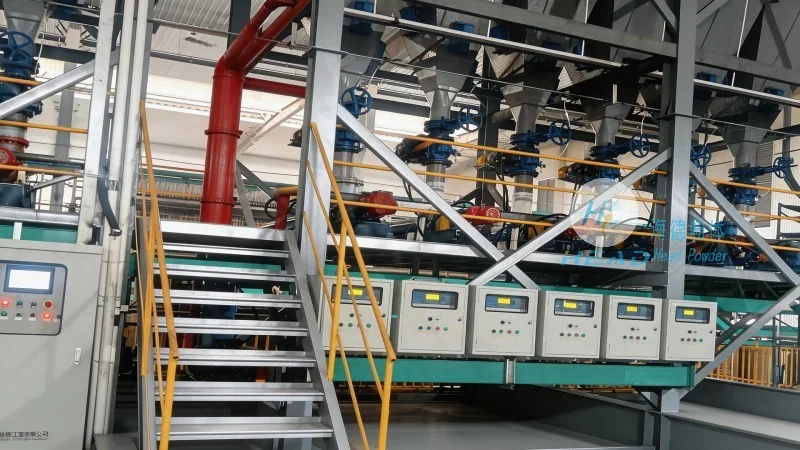
Gravity conveyors rely on the natural force of gravity to move protein powder from one level to another. These systems typically consist of inclined chutes or troughs that allow the powder to flow downward. While simple in design, gravity conveyors are effective for short distances and low-volume applications. They are often used in conjunction with other conveying methods to transport powder from a storage silo to a processing or packaging line. The key advantage of gravity conveyors is their low energy consumption and minimal maintenance requirements. However, they are limited by the need for a suitable slope and are not suitable for long-distance or vertical transport.
Selection Criteria for Protein Powder Conveying Systems
Choosing the right conveying system for protein powder production is a critical decision that impacts overall operational performance. Manufacturers must consider several factors to ensure the system meets their specific needs. First, the physical properties of the protein powder, such as particle size and moisture content, dictate the type of equipment that can handle it effectively. For instance, fine powders may require air conveying to avoid blockages, while coarser powders might be better suited to screw conveyors. Second, the scale of production and the required throughput are important considerations. Large-scale operations may benefit from bucket elevators or pneumatic systems, while smaller facilities might opt for gravity or screw conveyors. Third, hygiene and sanitation standards are paramount in the food and supplement industry. The chosen system must be easy to clean and maintain to prevent cross-contamination. This is particularly relevant for protein powders, which are often consumed directly or used in food products. Finally, cost-effectiveness is a key factor. The initial investment, energy consumption, and maintenance costs must be weighed against the benefits of improved efficiency and product quality.
Conclusion
In conclusion, the selection of a protein powder conveying method is a multifaceted decision that requires careful consideration of various factors. Whether using air conveying, bucket elevators, or gravity systems, each method offers unique advantages and is best suited to specific operational requirements. For manufacturers like Shandong HeadPowder Engineering Co., Ltd., based in Shandong, China, understanding these options enables them to optimize their production processes, enhance product quality, and maintain competitive advantages in the market. By aligning the conveying system with the specific characteristics of the protein powder and the operational needs of the facility, companies can achieve efficient, reliable, and cost-effective material handling.

 Shandong Headpowder Engineering Co., Ltd.
 156-6277-7102(Quản lý Trương)
  0531-83386006
  Thành phố Tế Nam, Tỉnh Sơn Đông, Trung Quốc
Điện thoại
WeChatTư vấn
Lên đầu