Với hơn 10 năm kinh nghiệm về vận chuyển khí nén, Headpowder Sơn Đông cung cấp hệ thống, thiết bị và quạt gió toàn chuỗi, đảm nhận các dự án kỹ thuật bột trọn gói trên toàn quốc.
When it comes to transporting lithium oxalate, selecting the right method is crucial for ensuring efficiency, safety, and cost-effectiveness in industrial applications. Lithium oxalate, a key material in battery production and other chemical processes, requires specialized handling due to its chemical properties and potential hazards. This article provides a detailed comparison of common transport methods used by industries, focusing on their advantages, limitations, and suitability for different operational scenarios.
Overview of Lithium Oxalate Transport Methods
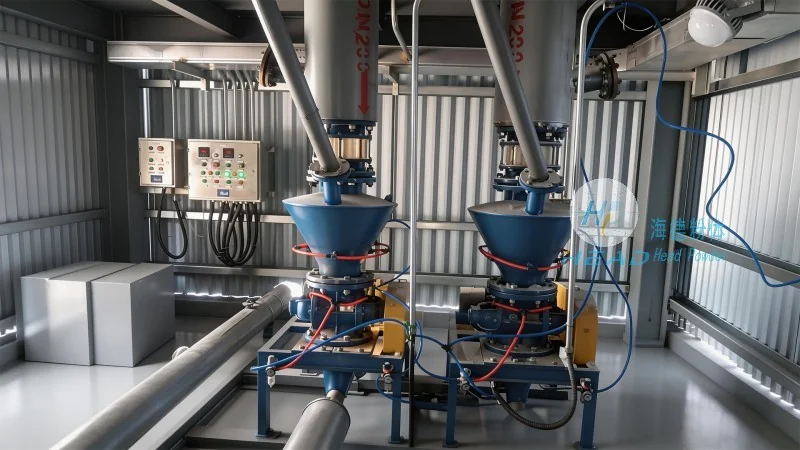
Lithium oxalate is typically transported in solid or liquid forms, depending on the processing stage. The choice of transport method depends on factors such as the material's physical state, required flow rate, distance of transport, and the need for containment or temperature control. Common methods include bulk handling, pumping systems, and specialized equipment designed for corrosive or reactive materials. Each method has unique characteristics that make it suitable for specific applications.
Pipeline and Bulk Handling Systems
For large-scale, continuous production lines, pipeline systems are a popular choice for transporting lithium oxalate. These systems use closed pipelines to move the material from one processing unit to another, minimizing exposure to the environment and reducing the risk of contamination. The use of stainless steel or specialized corrosion-resistant materials ensures the integrity of the transport system. In bulk handling, the material is often stored in silos or hoppers and then conveyed through pipelines using positive displacement pumps or rotary lobe pumps. This method is ideal for high-volume operations where consistent flow rates are required. However, pipeline systems require regular maintenance to prevent blockages or leaks, and they may not be suitable for materials that are prone to agglomeration or caking.
Pumping Solutions for Liquid or Slurry Forms
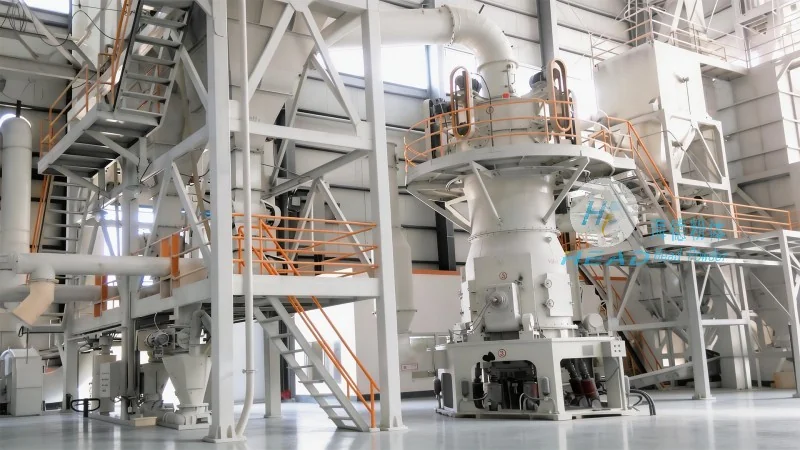
When lithium oxalate is in liquid or slurry form, pumping systems are essential for transport. Centrifugal pumps are commonly used for relatively low-viscosity liquids, while positive displacement pumps like gear pumps or diaphragm pumps are preferred for higher viscosity or shear-sensitive materials. These pumps can handle the corrosive nature of lithium oxalate solutions, ensuring reliable operation. The choice of pump type depends on the specific properties of the material, such as its density, viscosity, and potential for solid particles. For example, a diaphragm pump may be used for transporting a lithium oxalate slurry that contains fine particles, as it can maintain consistent flow without damaging the particles. Proper pump selection is critical to prevent equipment wear and ensure the longevity of the transport system.
Specialized Conveying Equipment
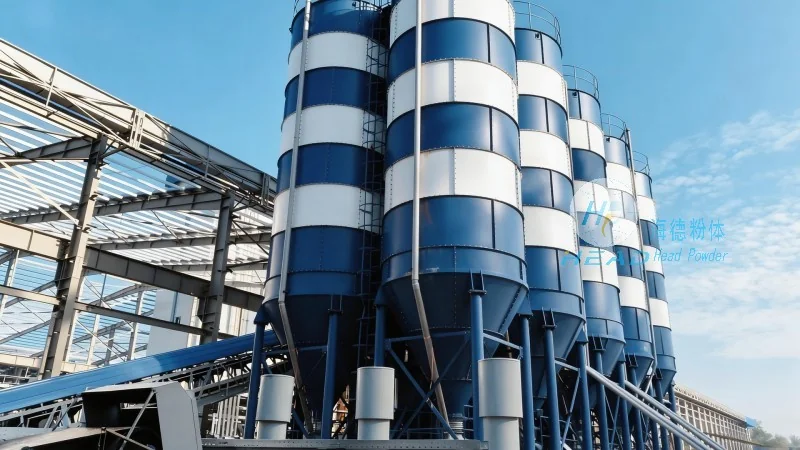
For materials that are difficult to handle due to their physical properties, specialized conveying equipment is employed. Screw conveyors and auger systems are often used for solid lithium oxalate, especially when the material is in a dry, free-flowing state. These systems can handle bulk quantities and are suitable for vertical or horizontal transport. However, they may require additional equipment for material conditioning, such as vibration or air-assisted systems, to prevent clogging. For more challenging materials, pneumatic conveying systems are used. These systems use air or other gases to transport the material through a pipeline, which is particularly effective for fine powders or dusts. Pneumatic conveying offers advantages such as flexibility in layout and the ability to transport materials over long distances without the need for multiple transfer points. However, it requires careful control of air pressure and flow rates to avoid material degradation or loss.
Considerations for Safe and Efficient Transport
Regardless of the transport method chosen, safety and efficiency are paramount. Lithium oxalate is a reactive material that can pose health and environmental risks if not handled properly. Therefore, all transport systems must be designed with containment measures, such as sealed pipelines and enclosed hoppers, to prevent spills or leaks. Additionally, temperature control is important, as some lithium oxalate formulations may be sensitive to temperature changes, which can affect their properties or stability. Regular maintenance and monitoring of the transport system are essential to ensure optimal performance and to identify any potential issues before they become major problems.
Conclusion
Choosing the appropriate transport method for lithium oxalate is a critical decision that impacts the overall efficiency and safety of industrial operations. Pipeline systems are ideal for large-scale, continuous processes, while pumping and specialized conveying equipment are better suited for specific material states or operational requirements. By considering factors such as material properties, flow rates, and safety requirements, industries can select the most effective transport method for their needs. As a leading provider of engineering solutions, Shandong HeadPowder Engineering Co., Ltd. specializes in designing and implementing customized transport systems tailored to the unique demands of lithium oxalate handling, ensuring reliable and efficient operation for its clients.

 Shandong Headpowder Engineering Co., Ltd.
 156-6277-7102(Quản lý Trương)
  0531-83386006
  Thành phố Tế Nam, Tỉnh Sơn Đông, Trung Quốc
Điện thoại
WeChatTư vấn
Lên đầu