Với hơn 10 năm kinh nghiệm về vận chuyển khí nén, Headpowder Sơn Đông cung cấp hệ thống, thiết bị và quạt gió toàn chuỗi, đảm nhận các dự án kỹ thuật bột trọn gói trên toàn quốc.
Cotton seed conveying is a critical process in the cotton processing industry, ensuring efficient movement of raw cotton seeds from one stage of production to another. The choice of conveying method significantly impacts operational efficiency, cost, and product quality. This article provides a detailed comparison of common cotton seed conveying methods, highlighting their advantages and disadvantages, with a focus on the solutions offered by Shandong HeadPowder Engineering Co., Ltd. (HeadPowder).
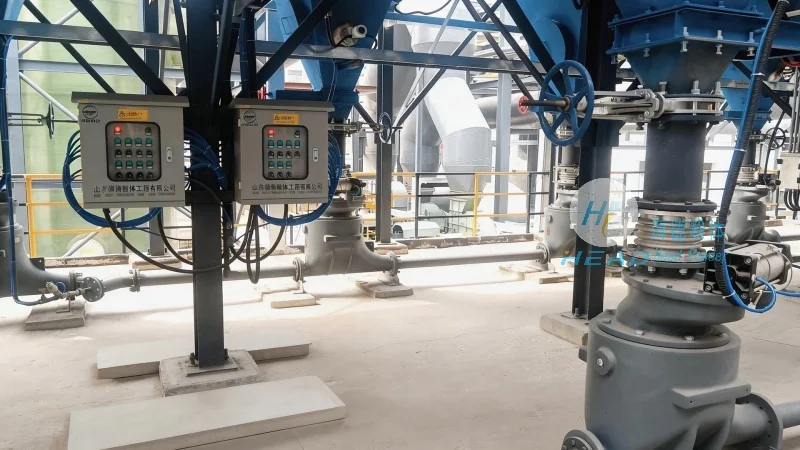
Screw Conveyor (Auger Conveyor)
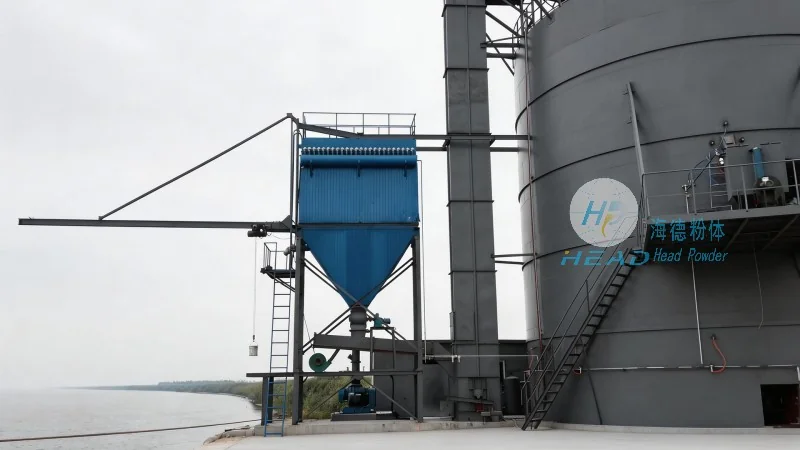
Screw conveyors are widely used for cotton seed transportation due to their simplicity and reliability. These systems consist of a rotating helical screw inside a tube, which moves material through the system by pushing it forward. The primary advantages of screw conveyors include low initial cost, minimal maintenance requirements, and the ability to operate in a closed environment, which helps prevent dust and contamination. They are particularly effective for horizontal or slightly inclined transport of cotton seeds with moderate moisture content. However, screw conveyors have limitations, such as their inefficiency in handling large quantities of material with high moisture or sticky properties, as this can cause blockages and reduce throughput. Additionally, the design may not be suitable for vertical lifting over significant heights, as it can lead to increased energy consumption and wear on the screw and housing.
Air-Powered Conveying (Pneumatic Conveying)
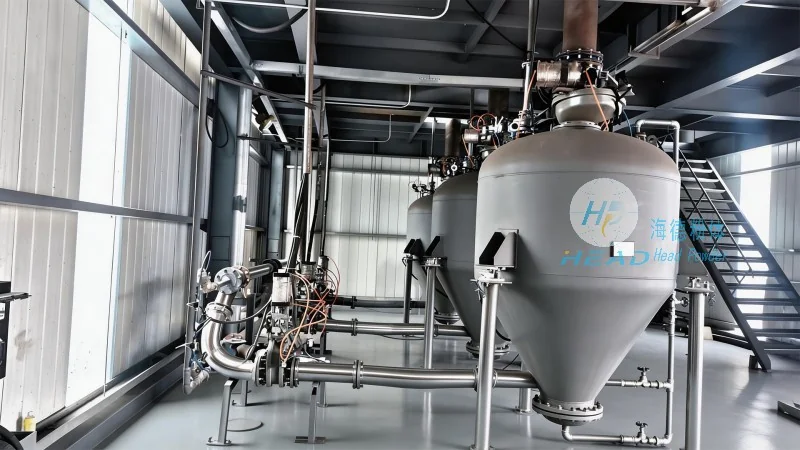
Pneumatic conveying systems use air pressure to transport cotton seeds through a pipeline. These systems can be categorized into pressure, vacuum, or mixed types, each offering different performance characteristics. The main advantage of pneumatic conveying is its ability to handle a wide range of materials, including fine or dusty cotton seeds, and to transport them over long distances with minimal loss. It also allows for enclosed, dust-free transport, which is beneficial for maintaining product quality and worker safety. However, pneumatic conveying has several drawbacks. The system requires a significant amount of energy to generate the necessary air pressure, leading to higher operational costs. Additionally, the equipment is more complex and expensive to install and maintain compared to other methods. Another limitation is that it may not be suitable for transporting very large or heavy cotton seed particles, as this can cause wear on the pipeline and reduce system efficiency.
Belt Conveyor
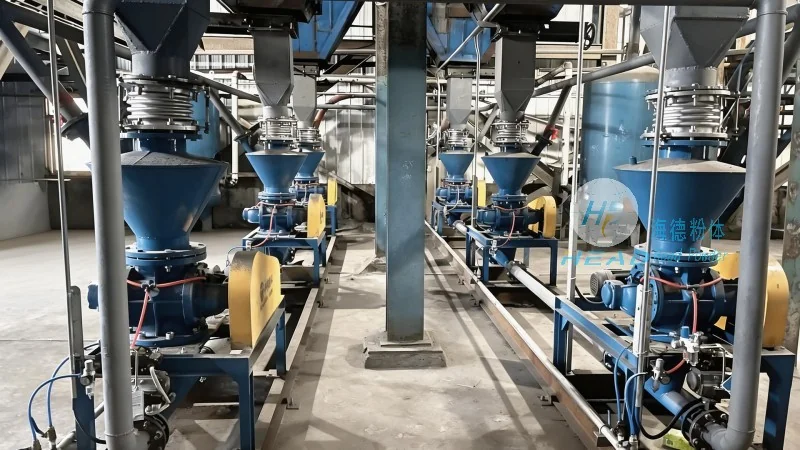
Belt conveyors are another common option for cotton seed conveying, utilizing a continuous belt to move material along a fixed path. These systems are highly effective for transporting large volumes of cotton seeds over long distances, especially in horizontal or gently inclined applications. The primary advantages of belt conveyors include high throughput capacity, low maintenance costs, and the ability to handle a wide variety of material sizes and shapes. They are also relatively simple to install and operate, making them a popular choice for many cotton processing facilities. However, belt conveyors have their own set of challenges. The system requires regular maintenance to ensure the belt remains in good condition, as wear or damage can lead to downtime. Additionally, belt conveyors are not suitable for vertical lifting, as the belt may stretch or break under the weight of the material. They also require a larger footprint compared to other methods, which can be a constraint in facilities with limited space.
Comparison and Recommendations
When selecting a cotton seed conveying method, it is essential to consider several factors, including the material characteristics (such as size, moisture content, and stickiness), the distance to be covered, and the required throughput. Screw conveyors are often the best choice for short-distance, horizontal transport of moderate quantities of cotton seeds. Pneumatic conveying is ideal for long-distance transport, especially when dust control and enclosed handling are priorities. Belt conveyors excel in high-volume, long-distance horizontal transport but require more space and maintenance. Shandong HeadPowder Engineering Co., Ltd. offers a range of conveying solutions tailored to these specific needs, ensuring that cotton processing facilities can choose the most appropriate method for their operations. By understanding the advantages and disadvantages of each method, facility managers can make informed decisions that optimize efficiency, reduce costs, and maintain product quality.

 Shandong Headpowder Engineering Co., Ltd.
 156-6277-7102(Quản lý Trương)
  0531-83386006
  Thành phố Tế Nam, Tỉnh Sơn Đông, Trung Quốc
Điện thoại
WeChatTư vấn
Lên đầu