Với hơn 10 năm kinh nghiệm về vận chuyển khí nén, Headpowder Sơn Đông cung cấp hệ thống, thiết bị và quạt gió toàn chuỗi, đảm nhận các dự án kỹ thuật bột trọn gói trên toàn quốc.
When it comes to the efficient and reliable transportation of foamed plastics, selecting the right conveying method is crucial for industrial operations. Foamed plastics, with their unique properties such as low density and irregular shapes, present specific challenges in material handling. This article explores common foamed plastic conveying methods and highlights the advantages and features of HeadPowder's pneumatic conveying solutions, a leading provider in the field from Shandong, China.
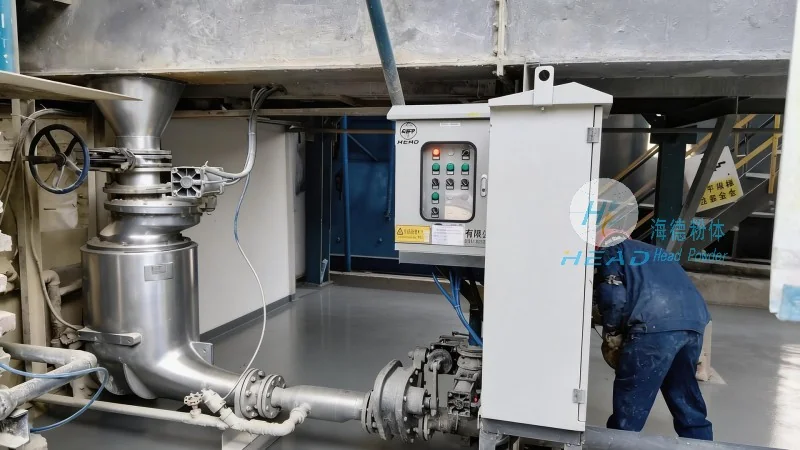
Understanding Foamed Plastic Conveying Challenges
Foamed plastics, including materials like polystyrene foam, polyethylene foam, and other lightweight, porous polymers, require specialized handling due to their low bulk density and tendency to create dust or blockages in traditional conveying systems. Conventional methods like belt conveyors or screw conveyors may struggle with these materials, leading to inefficiencies, increased maintenance, and potential product degradation. The need for a system that can handle these unique characteristics while ensuring high throughput and minimal material loss is paramount.
Common Conveying Methods for Foamed Plastics
Several conventional methods are used for transporting foamed plastics, each with its own set of advantages and limitations. Belt conveyors, for instance, are widely used for bulk material handling but may not be suitable for lightweight, irregularly shaped foamed plastics due to the risk of material slipping or uneven distribution. Screw conveyors, while effective for granular materials, can cause excessive pressure and compaction, which may damage the foamed structure and reduce material flow. Additionally, both methods often require frequent cleaning and maintenance to prevent clogging from dust or debris.
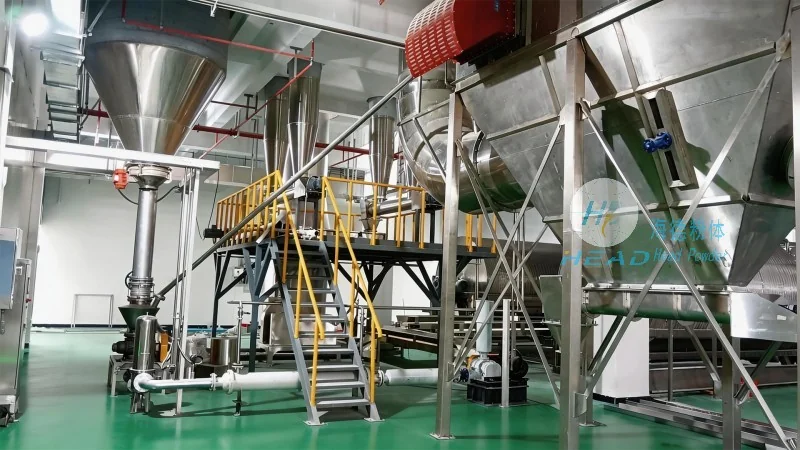
Another common approach is the use of bucket elevators or chain conveyors, which can handle bulk materials vertically. However, these systems may still face challenges with foamed plastics, as the material's low density can lead to reduced capacity and increased wear on components. The need for specialized equipment to accommodate the unique properties of foamed plastics has led to the development of more advanced solutions, such as pneumatic conveying systems.
HeadPowder's Pneumatic Conveying System: Advantages and Features
HeadPowder, a company based in Shandong, China, specializes in providing advanced pneumatic conveying solutions tailored to the demands of foamed plastic processing. Their system is designed to address the challenges associated with handling lightweight, porous materials, offering several key advantages that set it apart from traditional methods.
Firstly, HeadPowder's pneumatic conveying system utilizes a positive pressure or negative pressure (or a combination of both) to transport foamed plastics through a network of pipes. This method effectively handles materials with low bulk density, ensuring consistent flow and preventing material degradation. The system's design minimizes the risk of clogging and dust generation, which are common issues with other conveying methods.
Secondly, the system is equipped with advanced control mechanisms that allow for precise regulation of air flow and material feed. This enables operators to adjust the conveying rate according to production needs, optimizing throughput while maintaining material quality. The use of high-quality materials and components in the construction of the system ensures durability and long-term reliability, reducing maintenance costs and downtime.
Thirdly, HeadPowder's pneumatic conveying solution is designed for flexibility and scalability. It can be customized to fit various production environments, from small-scale operations to large industrial facilities. The system's modular design allows for easy integration with existing equipment and processes, minimizing disruption during installation and operation.
Key Features of HeadPowder's Pneumatic Conveying Technology
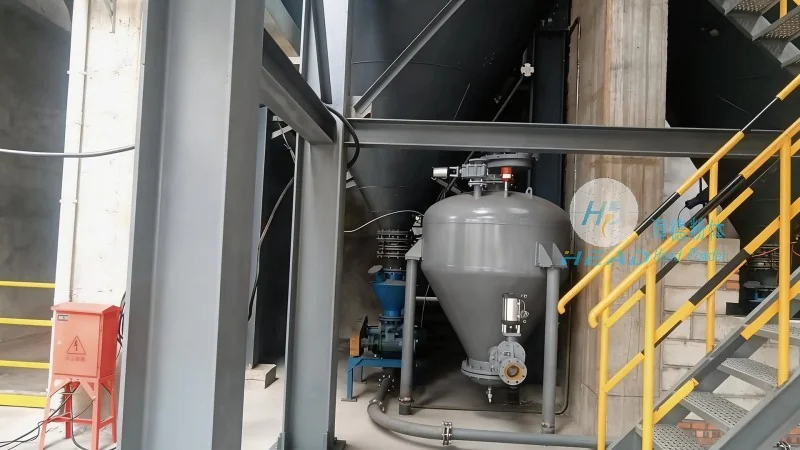
HeadPowder's pneumatic conveying system incorporates several innovative features that enhance its performance and efficiency. One of the standout features is the use of high-efficiency cyclone separators and filters, which effectively separate the conveyed material from the air stream, ensuring clean and dry material delivery. This not only improves material quality but also reduces the risk of contamination in downstream processes.
Another key feature is the system's ability to handle a wide range of foamed plastic types, including both open-cell and closed-cell structures. The adjustable air velocity and pressure settings allow for optimal handling of different material densities and shapes, ensuring consistent performance across various applications.
The system also includes advanced monitoring and diagnostic tools, such as pressure sensors and flow meters, which provide real-time data on system performance. This enables proactive maintenance and troubleshooting, minimizing unexpected downtime and maximizing operational efficiency.
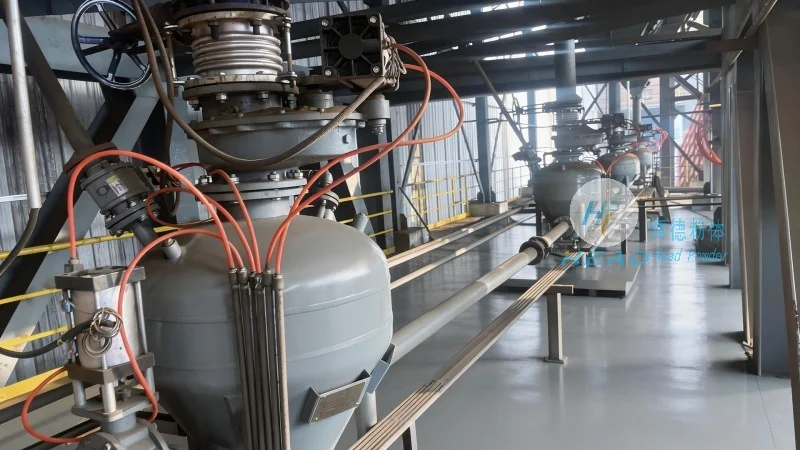
Benefits of Choosing HeadPowder's Pneumatic Conveying System
By selecting HeadPowder's pneumatic conveying system, industries dealing with foamed plastics can enjoy numerous benefits that improve overall operational efficiency and product quality. The system's ability to handle lightweight, porous materials with minimal degradation ensures that the final product maintains its desired properties, such as insulation, cushioning, or structural integrity.
Furthermore, the reduced risk of dust and clogging leads to lower maintenance requirements and operational costs. The system's flexibility and scalability allow for easy adaptation to changing production demands, providing a long-term solution that grows with the business.
HeadPowder's commitment to quality and innovation is reflected in the durability and reliability of their equipment. With a strong presence in Shandong, China, the company offers comprehensive support, including installation, training, and after-sales service, ensuring that clients receive the best possible solution for their foamed plastic conveying needs.
Conclusion
In conclusion, the efficient handling of foamed plastics requires specialized conveying methods that address their unique properties. While conventional methods like belt and screw conveyors have limitations, pneumatic conveying systems, particularly those offered by HeadPowder, provide a superior solution. With its advanced features, flexibility, and reliability, HeadPowder's pneumatic conveying system is an ideal choice for industries seeking to optimize their foamed plastic processing operations. By choosing HeadPowder, businesses can enhance productivity, maintain product quality, and reduce operational costs, ensuring long-term success in the competitive market of foamed plastic applications.

 Shandong Headpowder Engineering Co., Ltd.
 156-6277-7102(Quản lý Trương)
  0531-83386006
  Thành phố Tế Nam, Tỉnh Sơn Đông, Trung Quốc
Điện thoại
WeChatTư vấn
Lên đầu