Với hơn 10 năm kinh nghiệm về vận chuyển khí nén, Headpowder Sơn Đông cung cấp hệ thống, thiết bị và quạt gió toàn chuỗi, đảm nhận các dự án kỹ thuật bột trọn gói trên toàn quốc.
Silicon powder, a critical raw material in various industrial applications such as semiconductor manufacturing, solar cell production, and chemical processing, requires efficient and reliable conveying systems to ensure smooth production workflows. The choice of a suitable conveying method for silicon powder is influenced by factors including material properties, production scale, environmental considerations, and operational costs. This article provides a detailed comparison of common silicon powder conveying methods, highlighting their advantages, limitations, and suitability for different industrial scenarios. The information is presented by Shandong HeadPowder Engineering Co., Ltd., a leading provider of specialized material handling solutions based in China.
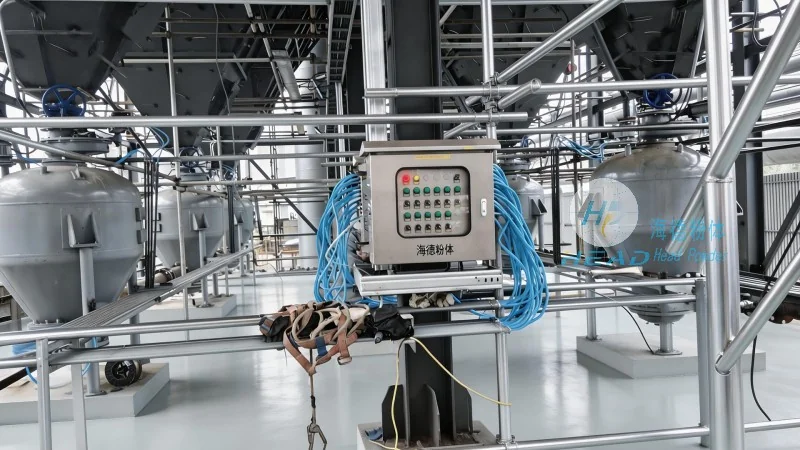
Key Factors Influencing Conveying Method Selection
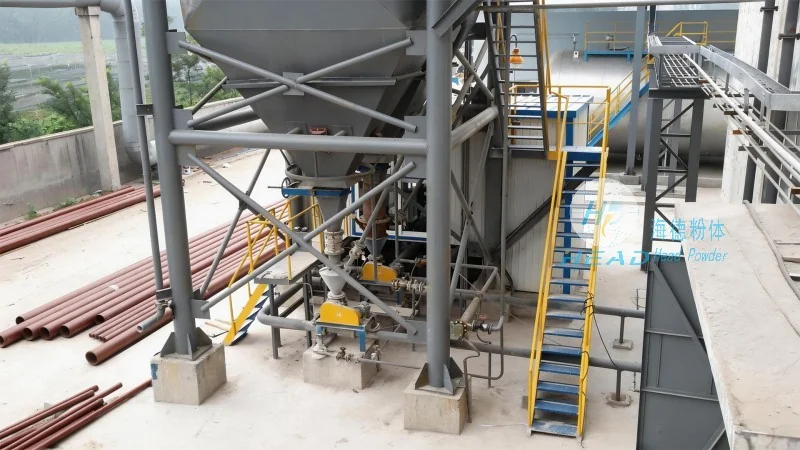
Before delving into specific conveying technologies, it is essential to understand the key factors that influence the selection of an appropriate method for silicon powder. These factors include the particle size and density of the powder, the required conveying distance and throughput, the need for contamination control, and the environmental regulations governing dust emissions. For instance, fine silicon powders with high moisture content may require specialized equipment to prevent caking or agglomeration during transport. Additionally, the scale of production—whether it is for small-scale laboratory use or large-scale industrial operations—plays a crucial role in determining the most cost-effective and efficient conveying solution.
Screw Conveyor (Auger Conveyor)
Screw conveyors, also known as auger conveyors, are among the most widely used equipment for transporting bulk materials, including silicon powder. This method utilizes a rotating helical screw blade enclosed within a trough or tube to move material from one location to another. The screw conveyor operates by pushing the material forward through the rotating screw, which is typically made of stainless steel or other corrosion-resistant materials to handle the abrasive nature of silicon powder. One of the primary advantages of screw conveyors is their simplicity and low maintenance requirements. They are compact, can be installed in a variety of orientations (horizontal, vertical, or inclined), and are capable of handling a wide range of particle sizes without the need for additional components like hoppers or feeders. However, screw conveyors have limitations when dealing with very fine or cohesive silicon powders, as the material may tend to stick to the screw surface or the trough walls, leading to reduced efficiency and potential blockages. The throughput of screw conveyors is generally lower compared to other methods, making them more suitable for moderate production volumes and shorter conveying distances.
Pneumatic Conveying Systems
Pneumatic conveying, or air conveying, is another popular method for transporting silicon powder, especially in applications where dust control and contamination prevention are critical. This technology uses compressed air or gas to move the powder through a pipeline system. There are two main types of pneumatic conveying: dilute-phase and dense-phase. Dilute-phase systems use high-velocity air to suspend the powder particles in the air stream, allowing for long-distance transport with minimal pressure drops. Dense-phase systems, on the other hand, operate at lower velocities, using a higher air-to-material ratio to create a slurry-like flow, which is more suitable for handling fine powders and preventing material degradation. Pneumatic conveying offers several benefits, including the ability to transport materials in a closed system, reducing dust emissions and environmental impact. It is also flexible, as the pipeline can be easily reconfigured to adapt to changes in production processes. However, pneumatic conveying systems require higher energy input compared to mechanical conveyors, as they rely on compressed air to move the material. Additionally, the system complexity and maintenance costs are higher due to the need for air compressors, filters, and control valves. Furthermore, the pressure drop in the pipeline can be significant for long-distance conveying, potentially reducing the overall efficiency of the system.
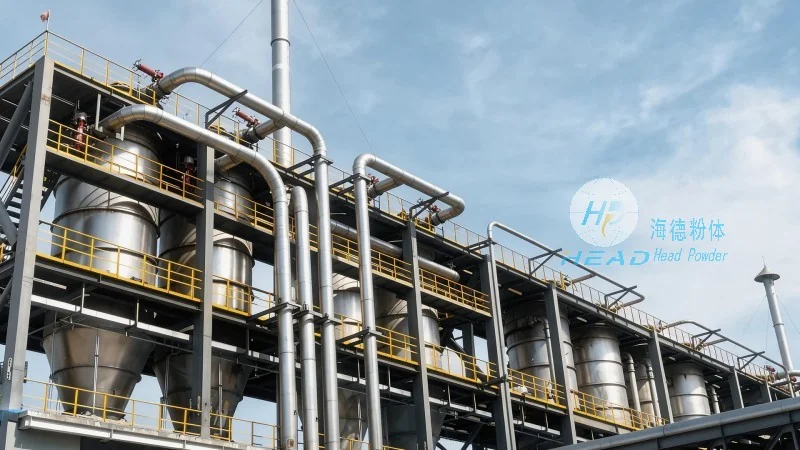
Belt Conveyor Systems
Belt conveyors are widely used in bulk material handling, including the transport of silicon powder, due to their high capacity and ability to cover long distances. This method involves a continuous loop of a flat or troughed belt that moves over rollers or pulleys, transporting the material from the loading point to the discharge point. Belt conveyors are particularly effective for handling large volumes of silicon powder, as they can achieve high throughput rates and are suitable for both horizontal and inclined transport. The key advantage of belt conveyors is their ability to handle a wide range of material types, including abrasive or corrosive materials like silicon powder, without causing excessive wear to the conveyor components. They are also relatively low maintenance compared to other systems, as the main moving parts are the rollers and pulleys, which are easily replaceable. However, belt conveyors have limitations when dealing with very fine or lightweight powders, as the material may tend to slip or fall off the belt, leading to reduced efficiency and potential spillage. The system also requires a level or gently inclined surface for horizontal transport, and the initial investment cost is higher compared to screw or pneumatic conveyors. Additionally, the risk of material contamination from the belt surface is a concern, especially if the belt is made of non-food-grade materials.
Comparison and Recommendations
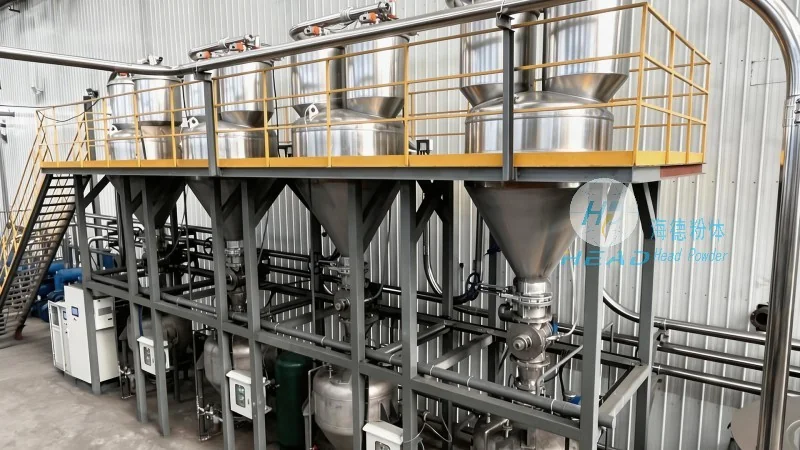
When selecting a conveying method for silicon powder, it is crucial to evaluate the specific requirements of the application and compare the pros and cons of each technology. For moderate production volumes and short to medium conveying distances, screw conveyors offer a cost-effective and reliable solution, provided that the powder is not overly fine or cohesive. For applications requiring dust control and long-distance transport, pneumatic conveying systems are a better choice, despite the higher energy and maintenance costs. Belt conveyors are ideal for high-capacity operations and long-distance horizontal transport, but may not be suitable for very fine powders. Ultimately, the most suitable conveying method depends on a combination of factors, including material properties, production scale, environmental regulations, and budget constraints. Shandong HeadPowder Engineering Co., Ltd. provides customized material handling solutions tailored to the specific needs of each client, ensuring optimal performance and efficiency in silicon powder conveying processes.

 Shandong Headpowder Engineering Co., Ltd.
 156-6277-7102(Quản lý Trương)
  0531-83386006
  Thành phố Tế Nam, Tỉnh Sơn Đông, Trung Quốc
Điện thoại
WeChatTư vấn
Lên đầu