Với hơn 10 năm kinh nghiệm về vận chuyển khí nén, Headpowder Sơn Đông cung cấp hệ thống, thiết bị và quạt gió toàn chuỗi, đảm nhận các dự án kỹ thuật bột trọn gói trên toàn quốc.
When it comes to industrial applications, the efficient and reliable transport of alkaline materials is crucial for maintaining production efficiency and safety standards. A well-designed pneumatic conveying system for industrial alkalis plays a pivotal role in ensuring smooth material handling processes. This article provides a comprehensive overview of the key considerations and steps involved in designing a reasonable industrial alkali pneumatic conveying system plan, with insights from Shandong HeadPowder Engineering Co., Ltd., a leading provider in the field.
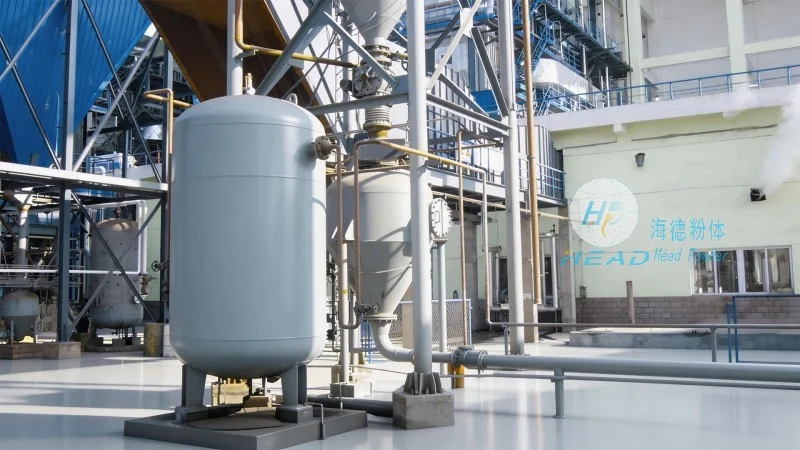
Understanding the Core Requirements for Industrial Alkali Pneumatic Conveying
Before diving into the design specifics, it's essential to understand the unique characteristics of industrial alkalis and the operational demands of the application. Industrial alkalis, such as sodium hydroxide or calcium hydroxide, often present challenges like high moisture content, corrosive properties, and varying particle sizes. These factors directly impact the selection of the appropriate conveying technology and system components. Shandong HeadPowder Engineering Co., Ltd. emphasizes the importance of conducting a thorough material analysis to determine the optimal conveying method—whether it's a pressure or vacuum system, and the specific design parameters required for efficient transport.
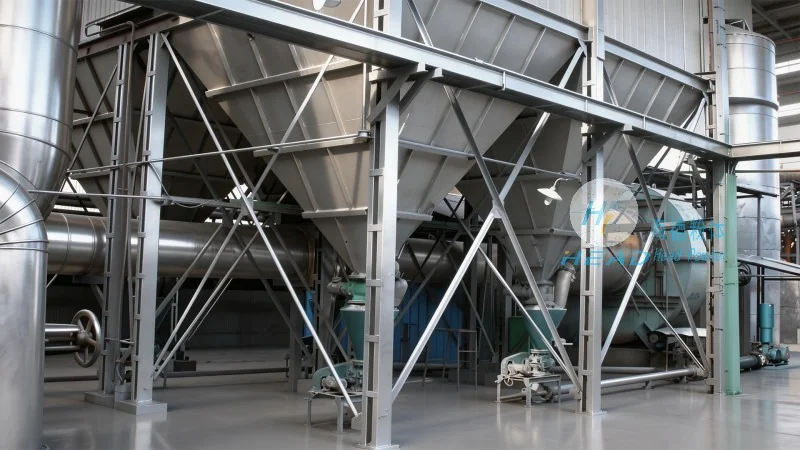
System Selection: Pressure vs. Vacuum Conveying
One of the first critical decisions in designing an industrial alkali pneumatic conveying system is choosing between pressure and vacuum conveying. Pressure systems utilize compressed air to push material through the pipeline, while vacuum systems use a vacuum to draw material from the source. The choice depends on factors like the distance to be covered, the height of the vertical lift, the material's density and flowability, and the overall system complexity. For industrial alkalis, pressure systems are often preferred for longer distances or when dealing with abrasive or corrosive materials, as they offer better control over material flow and reduce the risk of clogging. Shandong HeadPowder Engineering Co., Ltd. recommends evaluating the specific operational conditions to select the most suitable system type, ensuring long-term reliability and minimal maintenance.
Pipeline Design and Material Selection
The design of the conveying pipeline is a critical aspect that directly affects the system's performance and lifespan. The pipeline must be constructed from materials that are resistant to corrosion and chemical attack from the alkaline materials being transported. Common materials include stainless steel, special alloys, or lined pipes. The diameter of the pipeline is determined based on the material's flow rate, particle size distribution, and the required velocity to prevent material settling or clogging. Shandong HeadPowder Engineering Co., Ltd. stresses the importance of proper pipeline sizing and the use of smooth, unobstructed pathways to maintain consistent material flow. Additionally, incorporating features like bends, elbows, and expansion joints that are designed to minimize pressure drops and prevent material accumulation is essential for the system's efficiency.
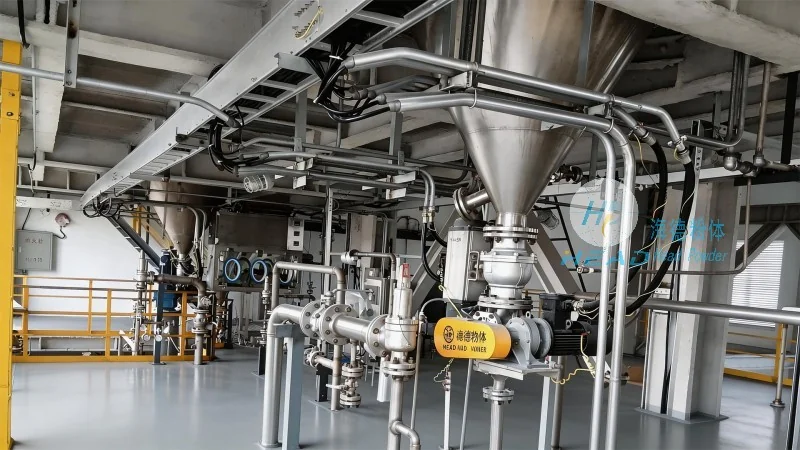
Equipment Selection: Feeders, Separators, and Controls
Key equipment components in an industrial alkali pneumatic conveying system include feeders, separators, and control systems. The feeder is responsible for accurately and consistently feeding the material into the conveying line, ensuring a stable flow rate. For industrial alkalis, which may have varying bulk densities or flow characteristics, a suitable feeder such as a rotary valve or a screw feeder is essential. The separator, typically a cyclone or a bag filter, is used to separate the conveyed material from the air stream, ensuring that the material is delivered to the destination without loss or contamination. Shandong HeadPowder Engineering Co., Ltd. highlights the importance of selecting high-quality equipment that is specifically designed for handling alkaline materials, as this reduces the risk of equipment failure and extends the system's operational life. Advanced control systems, including pressure sensors, flow meters, and automated controls, are also recommended to monitor and adjust the system parameters in real-time, enhancing operational efficiency and safety.
System Integration and Maintenance Considerations
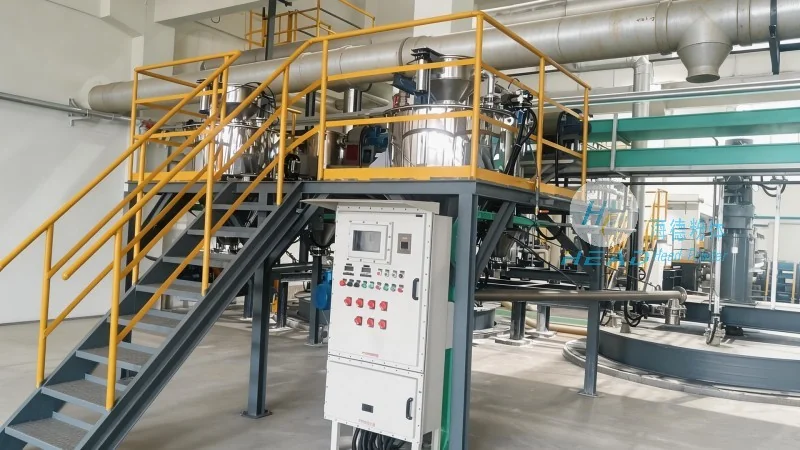
Integrating the pneumatic conveying system with the existing industrial processes is a crucial step to ensure seamless operation. This involves coordinating with other equipment, such as storage tanks, reactors, or processing units, to create a cohesive material handling workflow. Proper integration minimizes downtime and ensures that the system operates in harmony with the overall production schedule. Additionally, regular maintenance is vital to maintain the system's performance and longevity. This includes routine checks of pipeline integrity, equipment lubrication, and filter replacement. Shandong HeadPowder Engineering Co., Ltd. provides comprehensive maintenance services and technical support to help clients optimize their system performance and address any issues promptly.
Conclusion: Achieving Efficient and Reliable Industrial Alkali Transport
Designing a reasonable industrial alkali pneumatic conveying system requires a systematic approach that considers the material characteristics, operational requirements, and system components. By following the guidelines outlined above and leveraging the expertise of companies like Shandong HeadPowder Engineering Co., Ltd., industries can achieve efficient, reliable, and cost-effective material transport solutions. The key is to prioritize thorough analysis, appropriate equipment selection, and proper system integration to ensure long-term success in handling industrial alkalis. With the right design and implementation, pneumatic conveying systems can significantly enhance production efficiency and safety in industrial applications.

 Shandong Headpowder Engineering Co., Ltd.
 156-6277-7102(Quản lý Trương)
  0531-83386006
  Thành phố Tế Nam, Tỉnh Sơn Đông, Trung Quốc
Điện thoại
WeChatTư vấn
Lên đầu