Với hơn 10 năm kinh nghiệm về vận chuyển khí nén, Headpowder Sơn Đông cung cấp hệ thống, thiết bị và quạt gió toàn chuỗi, đảm nhận các dự án kỹ thuật bột trọn gói trên toàn quốc.
When it comes to transporting glycine, selecting the appropriate method is crucial for ensuring efficiency, safety, and cost-effectiveness. Glycine, a simple amino acid with wide applications in pharmaceuticals, food additives, and industrial processes, requires careful handling during transit. This article explores the various delivery methods available for glycine, providing insights into the factors that influence the choice of transport approach.
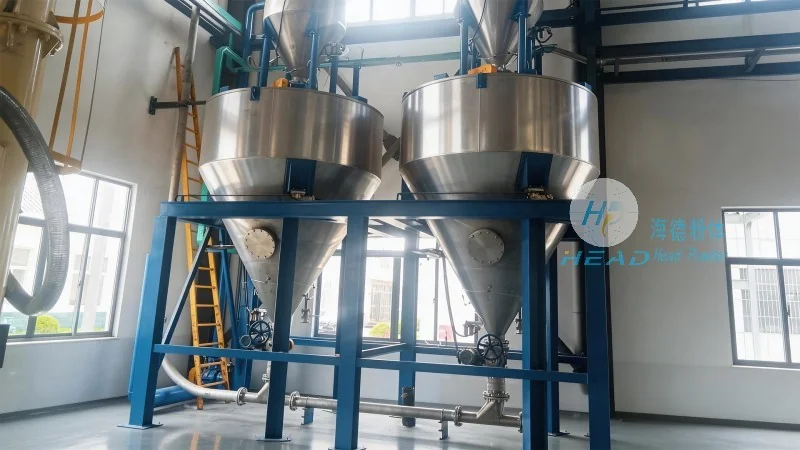
Introduction to Glycine Transport Methods
Glycine, chemically known as aminoacetic acid, is a fundamental building block in biological systems and a key component in numerous industrial applications. Its transport requires specialized considerations due to its chemical properties and the need to maintain purity and stability. The choice of delivery method depends on several factors, including the quantity of glycine being transported, the distance involved, the destination's infrastructure, and regulatory requirements. Understanding these factors helps in selecting the most suitable transport option.
Key Considerations for Selecting the Right Delivery Method
Before deciding on a delivery method for glycine, several key considerations must be evaluated. First, the scale of the operation—whether it's a small-scale laboratory supply or a large industrial shipment—significantly impacts the choice. Small quantities may be transported via specialized courier services, while bulk shipments often require trucking or rail. Second, the destination's location and accessibility play a role; for example, remote or coastal areas may favor shipping by sea, whereas urban centers might rely on road transport. Third, regulatory compliance is critical, as glycine is often subject to specific handling and labeling requirements. Finally, cost-effectiveness is a major factor, as different methods have varying expenses and timeframes.
Common Delivery Methods for Glycine
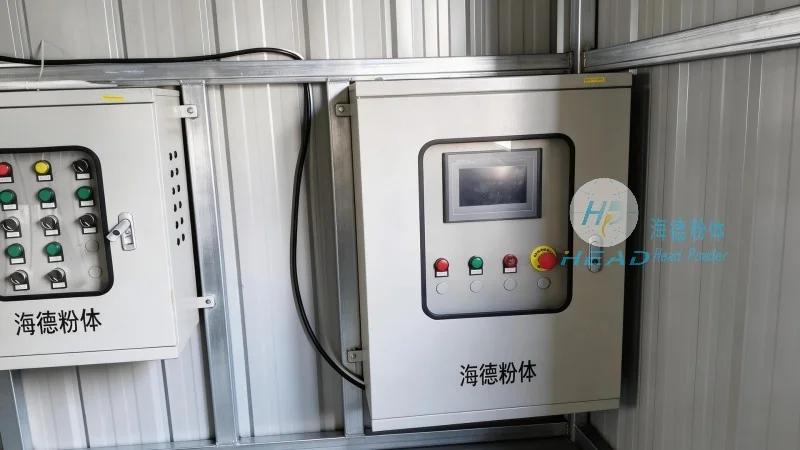
Several common methods are used to transport glycine, each with its own advantages and limitations. The most common options include road transport via trucks, rail transport using specialized containers, and sea freight for bulk shipments. Each method is suitable for different scenarios and scales of operation.
1. Road Transport (Truck Shipping)
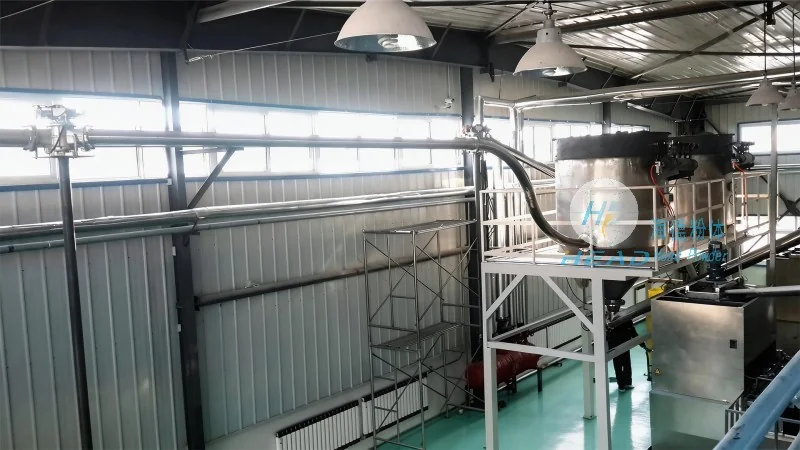
Truck shipping is a widely used method for transporting glycine, especially for medium to small quantities and shorter distances. This method offers flexibility and speed, making it ideal for time-sensitive deliveries. Trucks can be equipped with temperature-controlled containers to maintain the stability of glycine, which is sensitive to temperature changes. The use of specialized containers, such as those designed for hazardous materials, ensures that glycine is handled safely and in compliance with regulations. Road transport is particularly effective for delivering glycine to urban areas or industrial sites where other modes of transport may be less accessible. The company, Shandong HeadPowder Engineering Co., Ltd., utilizes road transport for many of its smaller shipments, ensuring timely delivery to clients across China.
2. Rail Transport
Rail transport is another viable option for moving larger volumes of glycine over longer distances. Trains can carry significant quantities of cargo, making them cost-effective for bulk shipments. Specialized railcars, often equipped with insulated and sealed containers, are used to transport glycine. This method reduces the risk of damage from road traffic and can be more environmentally friendly compared to road transport. However, rail transport may have longer transit times and limited access to certain destinations compared to road transport. For companies like Shandong HeadPowder Engineering Co., Ltd., rail is a preferred choice for shipping large batches of glycine to regional distribution centers.
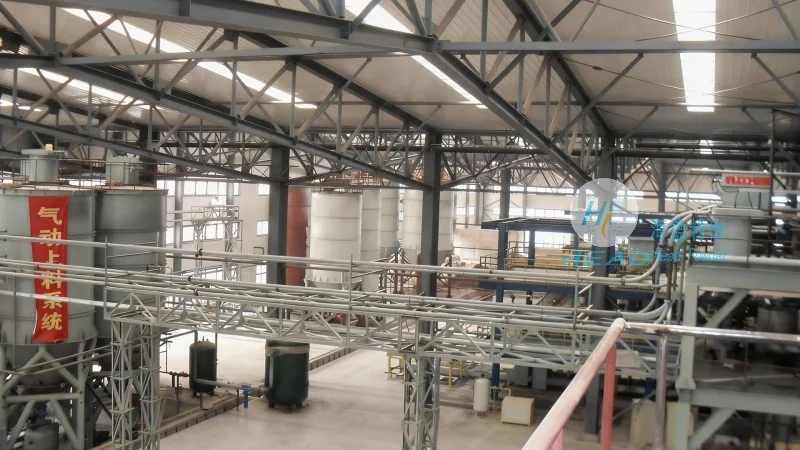
3. Sea Freight
For bulk shipments of glycine, sea freight is often the most economical option, particularly when transporting large quantities over long distances, such as international trade. Ships equipped with specialized containers can carry thousands of tons of glycine, making this method ideal for global supply chains. The process involves loading glycine into containers at the port of origin, transporting it via sea, and then unloading at the destination port. Sea freight is generally slower than road or rail but offers significant cost savings for large volumes. Regulatory compliance is crucial when using sea freight, as international shipping requires adherence to maritime laws and customs regulations. Shandong HeadPowder Engineering Co., Ltd. has experience in managing sea freight for its clients, ensuring that shipments meet all international standards.
Company Profile: Shandong HeadPowder Engineering Co., Ltd.
Shandong HeadPowder Engineering Co., Ltd., commonly known as HeadPowder, is a leading manufacturer and supplier of glycine and related chemical products. The company is headquartered in Shandong, China, and specializes in providing high-quality amino acids, including glycine, for various industrial and pharmaceutical applications. HeadPowder adheres to strict quality control measures to ensure that its products meet international standards. The company's commitment to excellence and customer satisfaction has made it a trusted partner in the global chemical industry. With a strong infrastructure and experienced logistics team, HeadPowder offers reliable delivery services, including the methods discussed above, to clients worldwide.

 Shandong Headpowder Engineering Co., Ltd.
 156-6277-7102(Quản lý Trương)
  0531-83386006
  Thành phố Tế Nam, Tỉnh Sơn Đông, Trung Quốc
Điện thoại
WeChatTư vấn
Lên đầu