Với hơn 10 năm kinh nghiệm về vận chuyển khí nén, Headpowder Sơn Đông cung cấp hệ thống, thiết bị và quạt gió toàn chuỗi, đảm nhận các dự án kỹ thuật bột trọn gói trên toàn quốc.
When it comes to handling PTA powder in industrial applications, the design of an efficient and reliable pneumatic conveying system is crucial. A well-designed system not only ensures the safe and effective transport of PTA powder but also minimizes operational costs and maintenance requirements. This article provides a comprehensive overview of the key factors to consider when designing a PTA powder pneumatic conveying system, with a focus on practical solutions and expert insights from Shandong HeadPowder Engineering Co., Ltd.
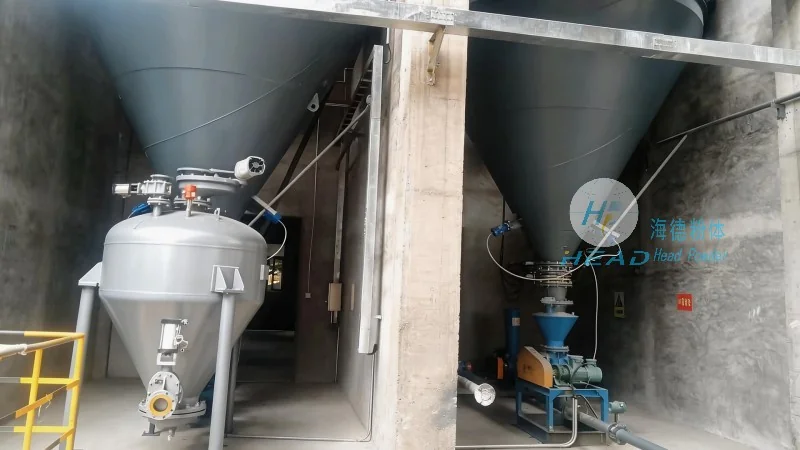
Understanding the Importance of PTA Powder Pneumatic Conveying
PTA (polyethylene terephthalate acid) powder is widely used in the production of polyester fibers and resins. Its fine particle size and hygroscopic nature make it challenging to handle using traditional methods like bulk bags or trucks. Pneumatic conveying offers a solution by using air to transport the powder through a closed system, reducing dust, improving safety, and enhancing process control. The effectiveness of the system depends heavily on the initial design, which must account for the material's properties, the required conveying distance, and the overall process flow.
Key Factors in System Design for PTA Powder
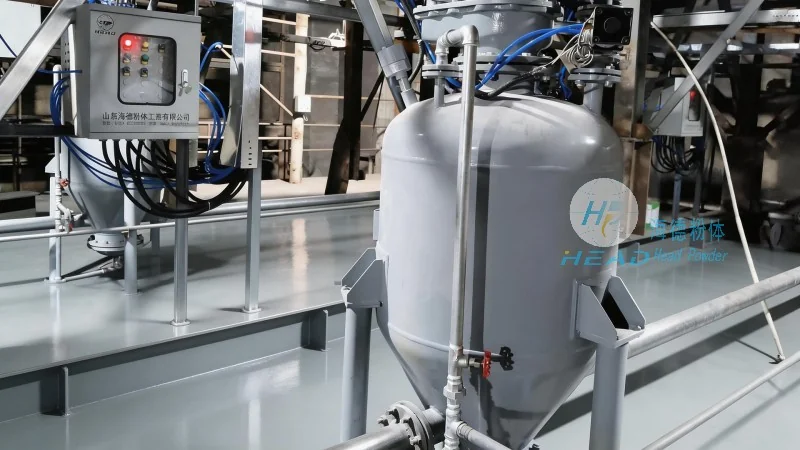
Several critical factors must be evaluated during the design phase to ensure optimal performance. First, the particle size and flowability of the PTA powder are essential. Coarser particles may require higher air velocities or different nozzle designs to maintain consistent flow. The system's capacity and the desired conveying rate are also key considerations, as they directly impact the selection of the air compressor and the size of the conveying lines. Additionally, the distance and elevation changes between the source and destination points influence the choice of conveying method—whether it's a pressure or vacuum system. The choice of materials for the conveying components is another critical aspect, as PTA powder can be abrasive and may cause corrosion over time. High-quality materials, such as stainless steel or specialized coatings, are recommended to ensure durability and prevent contamination.
System Components and Their Roles
A pneumatic conveying system for PTA powder typically consists of several key components. The air compressor provides the necessary pressure or vacuum to move the powder. The hopper or feeder is used to store and feed the powder into the system, ensuring a consistent flow. The conveying line, often made of flexible or rigid tubing, transports the powder from the source to the destination. The receiver or silo collects the powder at the end of the line. Each component must be carefully selected and sized to match the system's requirements. For example, a positive displacement blower may be more suitable for high-pressure applications, while a rotary lobe pump is better for vacuum systems. The hopper design, including the use of a rotary valve or a vibratory feeder, is crucial to prevent clogging and ensure smooth material flow.
Design Process and Best Practices
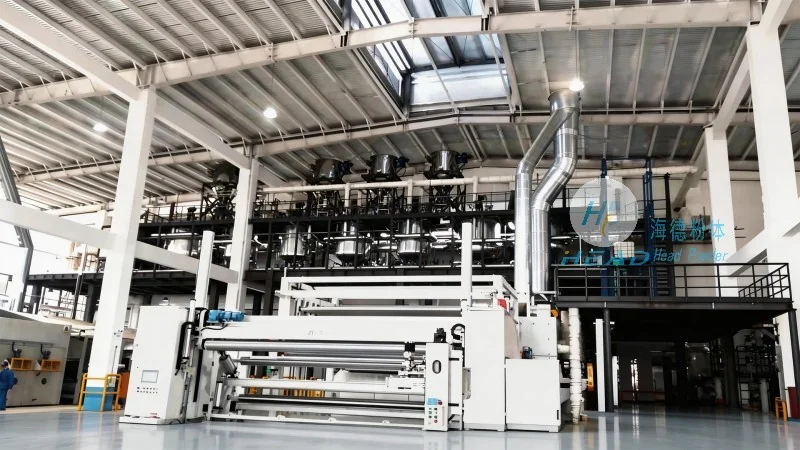
The design process for a PTA powder pneumatic conveying system involves a systematic approach. It starts with an analysis of the material's properties, including particle size distribution, bulk density, and moisture content. This information is used to calculate the required air velocity and pressure. The system layout is then planned, considering the shortest path and minimal elevation changes to reduce energy consumption. The selection of components is based on the calculated parameters, with a focus on reliability and efficiency. Regular testing and commissioning are essential to verify the system's performance and make adjustments as needed. Best practices include using a closed system to prevent dust emissions, implementing proper filtration and dust collection, and maintaining the system regularly to ensure long-term operation.
About Shandong HeadPowder Engineering Co., Ltd.
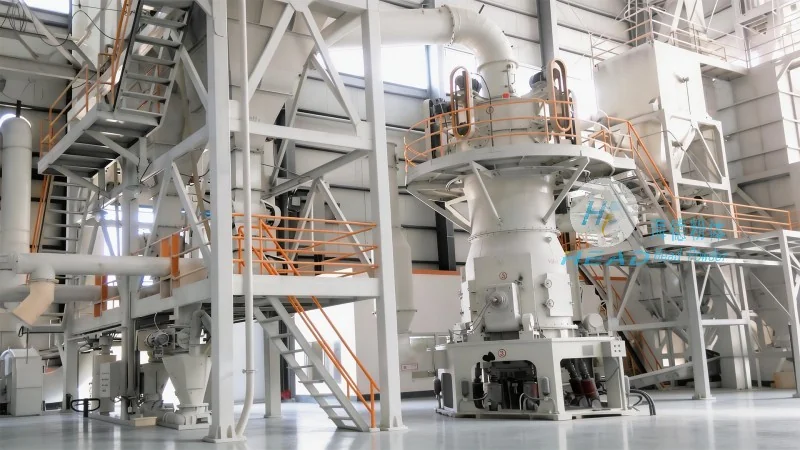
Shandong HeadPowder Engineering Co., Ltd., operating under the brand name HeadPowder, is a leading provider of pneumatic conveying solutions for industrial applications. With years of experience in the field, the company specializes in designing and manufacturing customized systems tailored to the unique needs of clients. HeadPowder's team of engineers and technicians works closely with clients to understand their specific requirements, from material handling to process integration. The company's commitment to quality and innovation has made it a trusted partner in the industry, providing reliable and efficient solutions for PTA powder and other fine powders. HeadPowder's headquarters is located in Shandong, China, where the company maintains its research and development facilities to stay at the forefront of technological advancements in pneumatic conveying systems.

 Shandong Headpowder Engineering Co., Ltd.
 156-6277-7102(Quản lý Trương)
  0531-83386006
  Thành phố Tế Nam, Tỉnh Sơn Đông, Trung Quốc
Điện thoại
WeChatTư vấn
Lên đầu