Với hơn 10 năm kinh nghiệm về vận chuyển khí nén, Headpowder Sơn Đông cung cấp hệ thống, thiết bị và quạt gió toàn chuỗi, đảm nhận các dự án kỹ thuật bột trọn gói trên toàn quốc.
When designing a fertilizer pneumatic conveying system, several critical factors must be considered to ensure efficiency, reliability, and cost-effectiveness. The first step is to assess the specific requirements of the fertilizer type, such as particle size, moisture content, and bulk density. These characteristics directly influence the choice of system type—either positive pressure or negative pressure. Positive pressure systems use a blower to force air through the material, while negative pressure systems use a vacuum to draw material into the system. The selection of the right system type is crucial as it impacts energy consumption, material handling capacity, and overall system performance. For instance, positive pressure systems are often preferred for long-distance conveying due to their ability to maintain consistent air pressure, whereas negative pressure systems are suitable for shorter distances or when handling materials with high dust content.
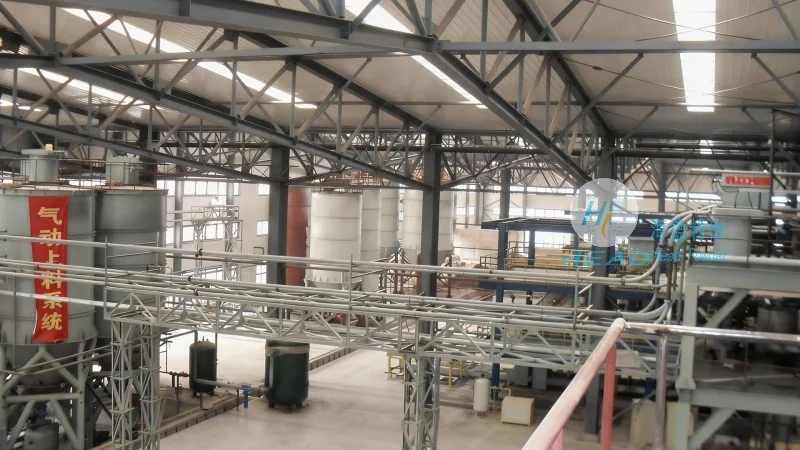
System Layout and Components
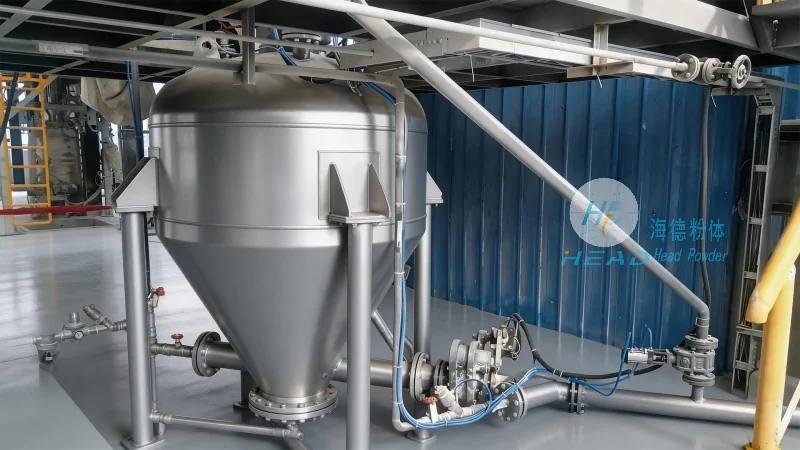
Once the system type is determined, the next phase involves designing the system layout. This includes identifying the source of the fertilizer (e.g., storage silos, bulk bags, or trucks) and the destination (e.g., processing plants, storage facilities, or distribution centers). The layout must account for the distance between these points, as well as any obstacles or elevation changes. Key components of a typical fertilizer pneumatic conveying system include the material feed hopper, conveyor line (with appropriate ductwork), air compressor or vacuum pump, and material separation equipment (like cyclones or filters). Each component must be selected based on the material properties and system requirements to ensure smooth operation and minimal downtime. For example, the feed hopper is designed to control the flow of material into the system, preventing overloading and ensuring consistent feeding. The ductwork must be sized appropriately to maintain the required air velocity, and the material separation equipment must be efficient in removing dust and separating the conveyed material from the air stream.
Material Handling Capacity and Flow Rate
The design of the fertilizer pneumatic conveying system must consider the required material handling capacity, which is typically measured in tons per hour (tph). This capacity is determined by the production needs of the facility and the volume of fertilizer that needs to be moved. The flow rate of the system is directly related to the air velocity and the size of the ductwork. Higher air velocities can increase the conveying capacity but may also lead to higher energy consumption and increased wear on components. Proper sizing of the ductwork and air flow is essential to maintain consistent material flow and prevent blockages or system inefficiencies. Engineers often use computational fluid dynamics (CFD) simulations to optimize the ductwork design and ensure that the air velocity remains within the optimal range for the specific fertilizer type. This approach helps to minimize energy waste and maximize the system's throughput.
Energy Efficiency and Environmental Impact
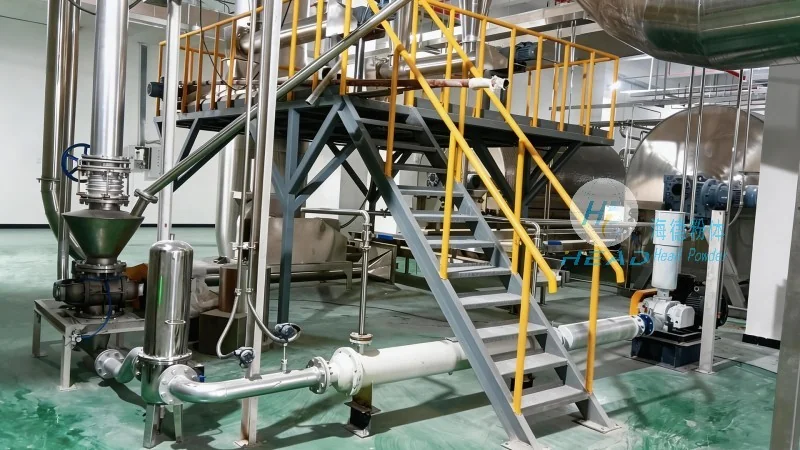
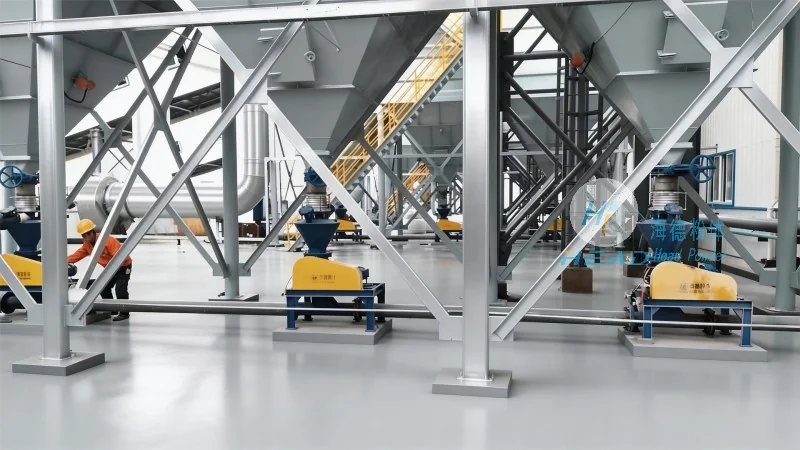
Energy efficiency is a significant consideration in the design of fertilizer pneumatic conveying systems. Modern systems incorporate advanced technologies to minimize energy consumption while maintaining performance. For example, variable frequency drives (VFDs) can adjust the speed of the air compressor or vacuum pump based on the actual conveying demand, reducing energy waste during low-load periods. Additionally, the use of high-efficiency filters and cyclones helps to reduce air leakage and improve overall system efficiency. From an environmental perspective, proper system design minimizes dust emissions and noise pollution, which is crucial for compliance with local regulations and maintaining a safe working environment. The integration of energy-saving features not only reduces operational costs but also aligns with sustainability goals, making the system more attractive to environmentally conscious clients.
Safety and Maintenance Considerations
Safety is paramount in fertilizer handling operations, and the pneumatic conveying system design must incorporate robust safety features. This includes explosion-proof components for systems handling potentially explosive materials, proper grounding to prevent static electricity buildup, and emergency shut-off valves to stop the system in case of an emergency. Regular maintenance is also critical to ensure the system operates reliably and safely. A well-designed maintenance plan includes routine inspections of components like the air compressor, ductwork, and material separation equipment, as well as scheduled cleaning and replacement of filters. Proper maintenance not only extends the lifespan of the system but also reduces the risk of breakdowns and costly repairs. For example, a maintenance schedule that includes monthly filter checks and quarterly duct cleaning can prevent dust accumulation and ensure consistent system performance.

 Shandong Headpowder Engineering Co., Ltd.
 156-6277-7102(Quản lý Trương)
  0531-83386006
  Thành phố Tế Nam, Tỉnh Sơn Đông, Trung Quốc
Điện thoại
WeChatTư vấn
Lên đầu