Với hơn 10 năm kinh nghiệm về vận chuyển khí nén, Headpowder Sơn Đông cung cấp hệ thống, thiết bị và quạt gió toàn chuỗi, đảm nhận các dự án kỹ thuật bột trọn gói trên toàn quốc.
When it comes to managing corn grist in industrial settings, the efficiency and reliability of the conveying system are paramount. A well-designed pneumatic conveying system not only ensures smooth material transport but also minimizes operational costs and maintenance issues. This article, brought to you by Shandong HeadPowder Engineering Co., Ltd. (HeadPowder), will guide you through the key considerations and steps to design a rational corn grist pneumatic conveying system. We'll cover everything from system type selection to equipment sizing and installation, providing practical insights to help you achieve optimal performance.
Understanding the Core Requirements for Corn Grist Pneumatic Conveying
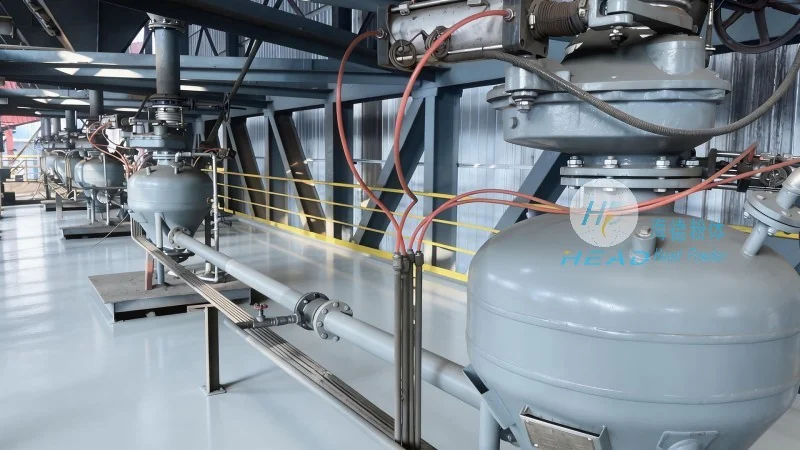
Before diving into the design specifics, it's essential to understand the unique characteristics of corn grist and the operational demands of your facility. Corn grist, a byproduct of the milling process, typically has a fine particle size and varying moisture content. These factors directly impact the choice of pneumatic conveying system. For instance, the material's density, flowability, and potential for dust generation will influence whether a positive pressure or negative pressure system is more suitable. Additionally, the distance between the source and destination, as well as the required flow rate, are critical parameters that must be accurately determined. At HeadPowder, we emphasize the importance of conducting a thorough material analysis and process evaluation to gather all necessary data for a customized system design.
Choosing the Right Pneumatic Conveying System Type
There are two primary types of pneumatic conveying systems: positive pressure and negative pressure. The selection depends on several factors, including the material properties, system layout, and environmental considerations. Positive pressure systems, also known as pressure conveying, use a blower or compressor to push air and material through the pipeline. This method is ideal for handling abrasive or corrosive materials and is often preferred when the conveying distance is short or when the material needs to be delivered to multiple points. Negative pressure systems, or vacuum conveying, use a vacuum pump to draw material into the pipeline. This approach is suitable for long-distance transport and when the material is sensitive to pressure changes. For corn grist, which is relatively light and non-abrasive, both systems can be effective, but the choice often hinges on the specific layout and operational constraints of the facility. HeadPowder engineers recommend evaluating the pros and cons of each system type based on your unique requirements to ensure the most efficient solution.
Designing the Conveying Pipeline and Components
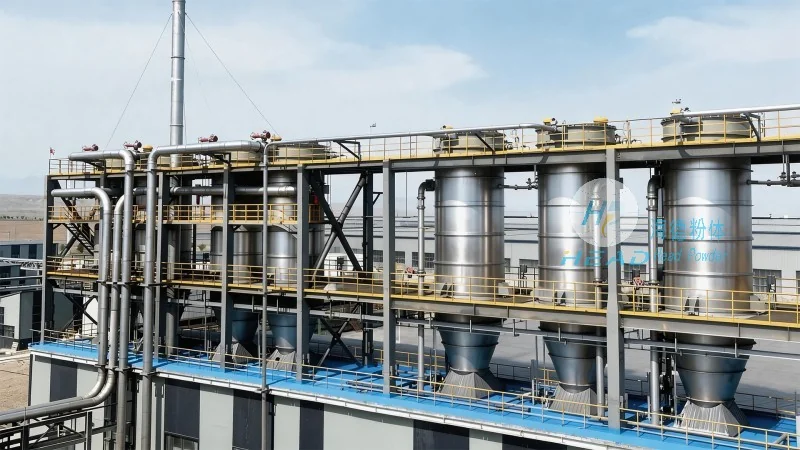
The pipeline design is a critical aspect of pneumatic conveying system performance. The diameter and length of the pipeline, as well as the number of bends and fittings, directly affect the system's efficiency and pressure drop. A larger diameter reduces friction losses but increases material cost, while a smaller diameter may lead to higher energy consumption and potential blockages. At HeadPowder, our engineers use advanced computational fluid dynamics (CFD) tools to simulate the flow characteristics and optimize the pipeline design. This approach ensures that the system operates within the optimal pressure range, minimizing energy waste and maximizing material throughput. Additionally, the selection of pipeline materials is crucial. Stainless steel is commonly used due to its corrosion resistance and durability, especially when dealing with moisture or acidic environments. Properly sized and installed elbows, tees, and other fittings are also essential to maintain consistent airflow and prevent material buildup. HeadPowder provides comprehensive pipeline design services, including material selection and component sizing, to ensure a robust and reliable system.
Selecting the Appropriate Air Source and Control System
The air source, typically a blower or compressor, is the heart of the pneumatic conveying system. The choice of air source depends on the system type and the required air volume and pressure. For positive pressure systems, a centrifugal blower is often used due to its high airflow capacity and efficiency. For negative pressure systems, a rotary vane or roots blower may be more suitable. The air source must be sized to meet the system's demand while maintaining sufficient pressure to overcome friction losses and elevation changes. At HeadPowder, we recommend selecting an air source with a margin of 10-20% above the calculated demand to account for variations and future expansion. The control system, which includes valves, regulators, and sensors, plays a vital role in managing the airflow and ensuring smooth operation. Automated control systems can optimize the air pressure and flow rate based on real-time conditions, reducing energy consumption and preventing system overloads. HeadPowder offers integrated control solutions that enhance system performance and reliability.
Equipment Selection and Installation Considerations
Key equipment such as feeders, cyclones, and dust collectors must be carefully selected to match the material characteristics and system requirements. Feeders, which introduce material into the pipeline, must be capable of handling the specific flow rate and particle size of corn grist. Screw feeders or rotary valves are commonly used for this application due to their ability to maintain a consistent material flow. Cyclones, used for separating material from air, are essential for maintaining system efficiency and preventing material loss. The design of the cyclone, including its diameter and cone angle, must be optimized for the specific material and airflow conditions. Dust collectors, such as baghouses or cartridge filters, are necessary to comply with environmental regulations and protect the system from dust accumulation. Proper installation of these components is critical to ensure optimal performance. HeadPowder provides expert guidance on equipment selection and installation, ensuring that all components are properly integrated and aligned to achieve the desired system performance.
Ensuring System Efficiency and Maintenance
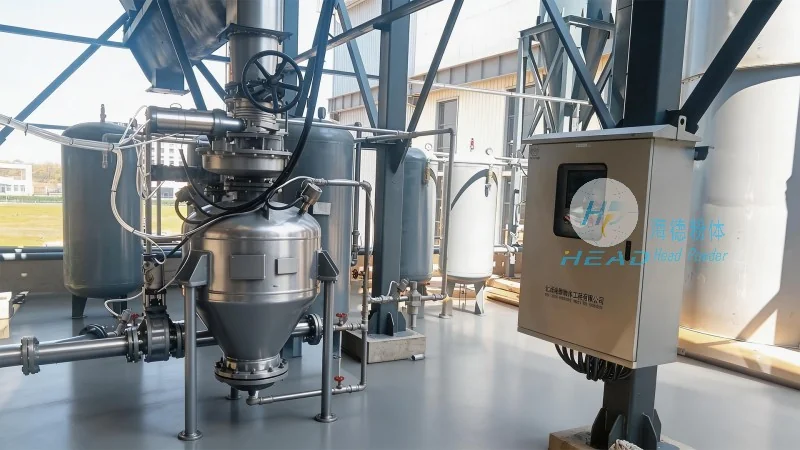
A well-designed pneumatic conveying system should operate efficiently and require minimal maintenance. Regular maintenance is essential to prevent system failures and extend the lifespan of components. At HeadPowder, we emphasize the importance of routine inspections, cleaning, and component replacement. The use of high-quality materials and components, such as stainless steel and wear-resistant parts, can significantly reduce maintenance costs and improve system reliability. Additionally, implementing a preventive maintenance schedule, including periodic checks of air source performance, pipeline integrity, and equipment operation, can help identify potential issues before they become major problems. HeadPowder offers comprehensive maintenance services and technical support to ensure that your system operates at peak efficiency throughout its lifecycle.
Conclusion and Contact Information
Designing a rational corn grist pneumatic conveying system requires a systematic approach that considers material properties, operational demands, and system constraints. By following the guidelines outlined in this article, you can develop a customized solution that maximizes efficiency, minimizes costs, and ensures reliable operation. Shandong HeadPowder Engineering Co., Ltd. (HeadPowder) is committed to providing expert engineering services and high-quality equipment for pneumatic conveying systems. With our extensive experience and technical expertise, we can help you design and implement a system that meets your specific needs. For more information or to discuss your project, please contact us at our office in Shandong, China.

 Shandong Headpowder Engineering Co., Ltd.
 156-6277-7102(Quản lý Trương)
  0531-83386006
  Thành phố Tế Nam, Tỉnh Sơn Đông, Trung Quốc
Điện thoại
WeChatTư vấn
Lên đầu