Với hơn 10 năm kinh nghiệm về vận chuyển khí nén, Headpowder Sơn Đông cung cấp hệ thống, thiết bị và quạt gió toàn chuỗi, đảm nhận các dự án kỹ thuật bột trọn gói trên toàn quốc.
When it comes to the efficient and reliable transportation of quicklime, the design of a pneumatic conveying system is a critical factor in ensuring optimal performance and operational safety. For industries that rely on quicklime for various applications, from chemical processing to environmental remediation, selecting the right system design is paramount. This article will explore the key considerations and steps involved in designing a reasonable quicklime pneumatic conveying system, with a focus on practical solutions that enhance system efficiency and longevity.
Understanding Quicklime and Its Handling Requirements
Quicklime, or calcium oxide (CaO), is a highly reactive alkaline material that requires careful handling during transportation. Its properties, such as high moisture absorption and potential for dust generation, make it essential to design a system that minimizes material degradation and ensures safe operation. The first step in any system design is to understand the physical and chemical characteristics of quicklime, including its bulk density, flowability, and reactivity. This information is crucial for selecting the appropriate conveying equipment, such as rotary valves, feeders, and pipelines, which are tailored to handle the specific demands of quicklime.
Key Components of a Pneumatic Conveying System
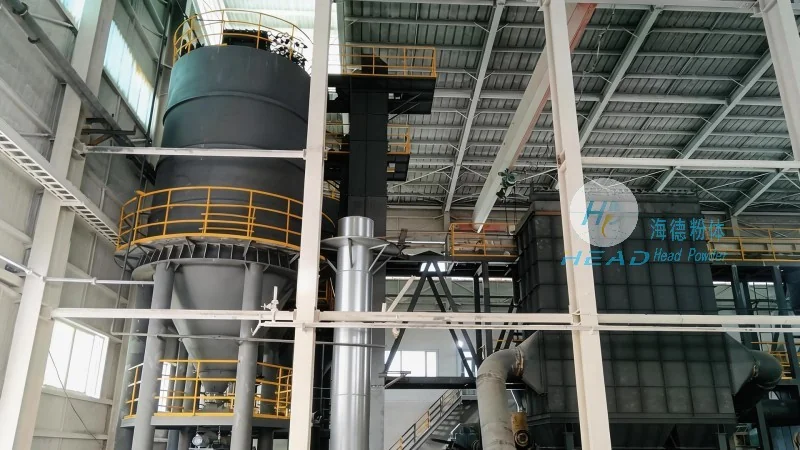
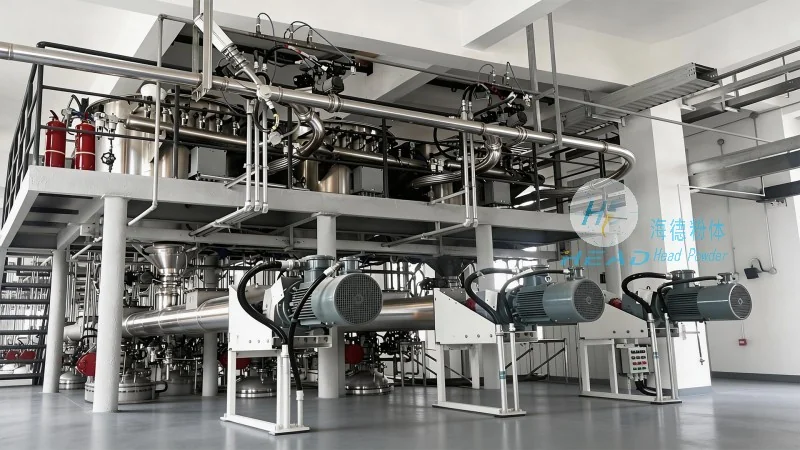
A well-designed quicklime pneumatic conveying system typically consists of several key components that work in tandem to achieve efficient material transport. These components include the material feed system, conveying pipeline, air supply system, and control mechanisms. The material feed system, often incorporating rotary airlock valves or screw feeders, ensures a consistent and controlled flow of quicklime into the system. The conveying pipeline, usually made of corrosion-resistant materials like stainless steel or special coatings, is designed to withstand the abrasive nature of quicklime and prevent material buildup. The air supply system, which may include blowers or compressors, provides the necessary pressure and airflow to move the material through the pipeline. Control mechanisms, such as pressure sensors and flow meters, allow operators to monitor and adjust the system parameters in real-time, ensuring optimal performance and preventing system failures.
Design Considerations for System Efficiency and Reliability
Designing a reasonable quicklime pneumatic conveying system involves several critical considerations aimed at maximizing efficiency and reliability. One of the primary factors is the selection of the appropriate conveying method, whether it's a positive pressure or negative pressure system. Positive pressure systems are commonly used for long-distance or high-capacity applications, as they provide consistent airflow and reduce the risk of material degradation. Negative pressure systems, on the other hand, are suitable for shorter distances or when the material is sensitive to air exposure. The system design also needs to account for the system's capacity, which is determined by the required flow rate and the material's bulk density. Additionally, the system must be designed to handle variations in material feed, such as changes in moisture content or particle size, to maintain consistent performance. Regular maintenance and inspection of system components are also essential to ensure long-term reliability and minimize downtime.
HeadPowder Engineering: Expertise in Quicklime Pneumatic Conveying
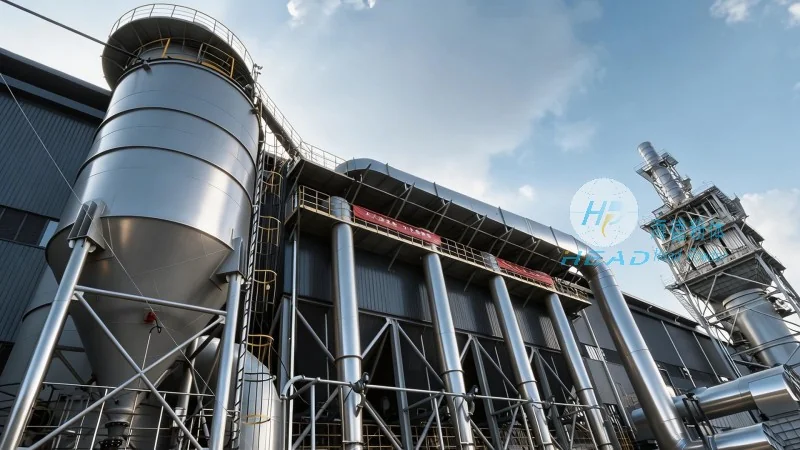
For industries seeking reliable and efficient quicklime pneumatic conveying solutions, Shandong HeadPowder Engineering Co., Ltd. offers comprehensive design and manufacturing services. With years of experience in the field, HeadPowder specializes in creating customized systems that meet the unique requirements of each client. The company's team of engineers utilizes advanced design software and industry best practices to develop systems that optimize material transport while minimizing operational costs. HeadPowder's commitment to quality and customer satisfaction is reflected in their rigorous testing and validation processes, ensuring that each system meets or exceeds industry standards. By partnering with HeadPowder, clients can benefit from expert guidance and tailored solutions that enhance their operational efficiency and safety.
Conclusion: The Importance of System Design in Quicklime Handling
In conclusion, the design of a reasonable quicklime pneumatic conveying system is a multifaceted process that requires careful consideration of material properties, system components, and operational requirements. By selecting the appropriate components and following best practices, industries can achieve efficient and reliable transportation of quicklime, reducing downtime and operational costs. For those in need of expert assistance in designing or implementing a quicklime pneumatic conveying system, Shandong HeadPowder Engineering Co., Ltd. stands ready to provide the necessary support and expertise. With their commitment to quality and customer satisfaction, HeadPowder is a trusted partner for industries seeking to optimize their quicklime handling processes.

 Shandong Headpowder Engineering Co., Ltd.
 156-6277-7102(Quản lý Trương)
  0531-83386006
  Thành phố Tế Nam, Tỉnh Sơn Đông, Trung Quốc
Điện thoại
WeChatTư vấn
Lên đầu