Với hơn 10 năm kinh nghiệm về vận chuyển khí nén, Headpowder Sơn Đông cung cấp hệ thống, thiết bị và quạt gió toàn chuỗi, đảm nhận các dự án kỹ thuật bột trọn gói trên toàn quốc.
When it comes to the efficient and reliable transportation of heavy calcium powder in industrial settings, the design of a pneumatic conveying system is a critical step. A well-designed system not only ensures optimal material handling but also minimizes operational costs and maintenance requirements. For businesses dealing with heavy calcium products, understanding the key factors and steps involved in creating an effective system is essential. This article will guide you through the process of designing a reasonable heavy calcium pneumatic conveying system, providing insights from Shandong HeadPowder Engineering Co., Ltd., a leading provider in the field.
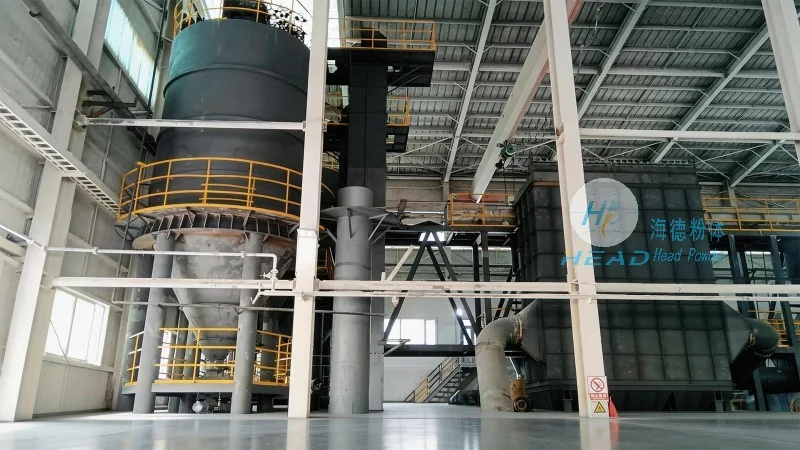
Understanding the Core Principles of Heavy Calcium Pneumatic Conveying
Before diving into the design process, it's crucial to grasp the fundamental principles of pneumatic conveying. Heavy calcium, with its specific properties such as particle size, density, and moisture content, requires a system tailored to its characteristics. The primary goal is to create a consistent flow of material from the source to the destination while maintaining the integrity of the powder. Shandong HeadPowder Engineering Co., Ltd. emphasizes that a thorough analysis of the material's physical properties is the first step in ensuring system efficiency.
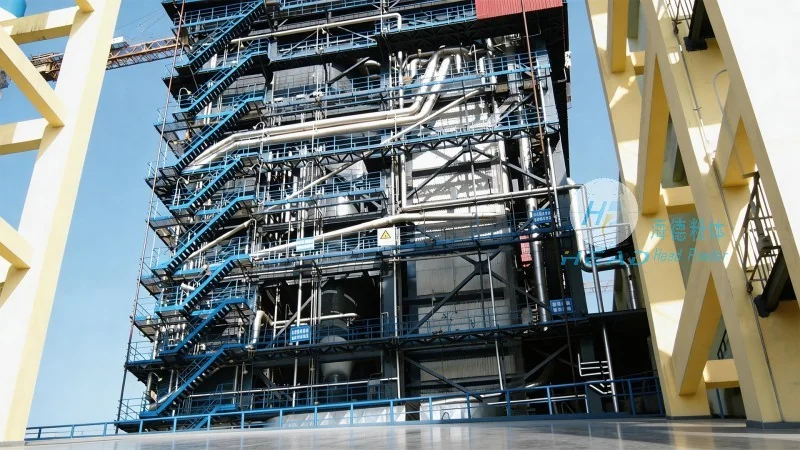
Key Factors to Consider in System Design
Several key factors must be considered when designing a heavy calcium pneumatic conveying system. These include the distance between the source and destination, the volume of material to be conveyed, the required flow rate, and the environmental conditions. The choice of conveying method—such as dilute phase or dense phase—also plays a significant role. Dilute phase systems are suitable for shorter distances and lower material loads, while dense phase systems are ideal for longer distances and higher material volumes. Shandong HeadPowder Engineering Co., Ltd. advises that the selection of the right method depends on the specific application and operational requirements.
System Components and Their Functions
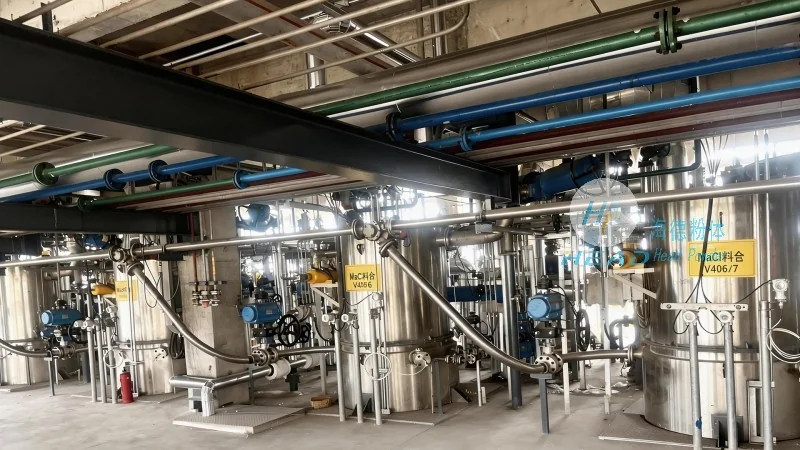
A pneumatic conveying system consists of several key components, each with a specific function. These include the material feed hopper, the air compressor, the conveying line, the receiver, and the control system. The feed hopper is responsible for storing and feeding the heavy calcium powder into the system. The air compressor provides the necessary pressure to move the material through the conveying line. The conveying line, typically made of stainless steel or other corrosion-resistant materials, ensures the material is transported efficiently. The receiver collects the material at the destination and may include a dust collection system to maintain air quality. Shandong HeadPowder Engineering Co., Ltd. highlights that the quality and durability of these components are critical to the overall performance and longevity of the system.
Design Steps and Best Practices
The design process involves several steps, starting with a detailed analysis of the material and operational requirements. The first step is to determine the material's characteristics, including particle size distribution, bulk density, and moisture content. This information helps in selecting the appropriate conveying method and equipment. The second step is to calculate the required air volume and pressure based on the material flow rate and system length. Shandong HeadPowder Engineering Co., Ltd. recommends conducting a pilot test to validate the design and ensure it meets the operational needs before full-scale implementation.
Addressing Common Challenges and Solutions
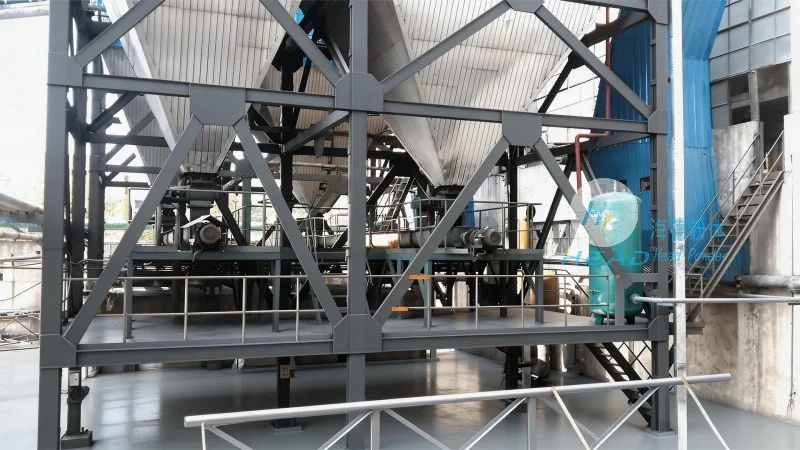
Designing a heavy calcium pneumatic conveying system can present several challenges, such as material buildup, blockages, and system inefficiencies. To address these issues, it's essential to implement proper maintenance and operational practices. Regular cleaning of the conveying line and components, as well as monitoring of air pressure and flow rates, can prevent blockages and ensure smooth operation. Shandong HeadPowder Engineering Co., Ltd. provides expertise in troubleshooting common problems and offers customized solutions to enhance system performance.
Conclusion: Partnering with Experts for Optimal System Design
Designing a reasonable heavy calcium pneumatic conveying system requires a comprehensive understanding of the material properties, operational requirements, and available technologies. By considering key factors, selecting appropriate components, and following best practices, businesses can achieve efficient and reliable material handling. Shandong HeadPowder Engineering Co., Ltd. stands ready to assist with the design and implementation of such systems, leveraging their expertise and experience to deliver solutions tailored to the specific needs of each client. With their guidance, businesses can ensure the successful and cost-effective operation of their heavy calcium pneumatic conveying systems.

 Shandong Headpowder Engineering Co., Ltd.
 156-6277-7102(Quản lý Trương)
  0531-83386006
  Thành phố Tế Nam, Tỉnh Sơn Đông, Trung Quốc
Điện thoại
WeChatTư vấn
Lên đầu