Với hơn 10 năm kinh nghiệm về vận chuyển khí nén, Headpowder Sơn Đông cung cấp hệ thống, thiết bị và quạt gió toàn chuỗi, đảm nhận các dự án kỹ thuật bột trọn gói trên toàn quốc.
Ammonium bicarbonate, a widely used chemical compound in various industrial applications, requires efficient and reliable transportation methods to ensure safe and effective delivery. The choice of transportation method depends on several factors, including the scale of operation, the destination, and the specific handling requirements of the material. This article will explore the primary methods for transporting ammonium bicarbonate, highlighting the key considerations and best practices for each approach.
Bulk Handling Systems for Large-Scale Transportation
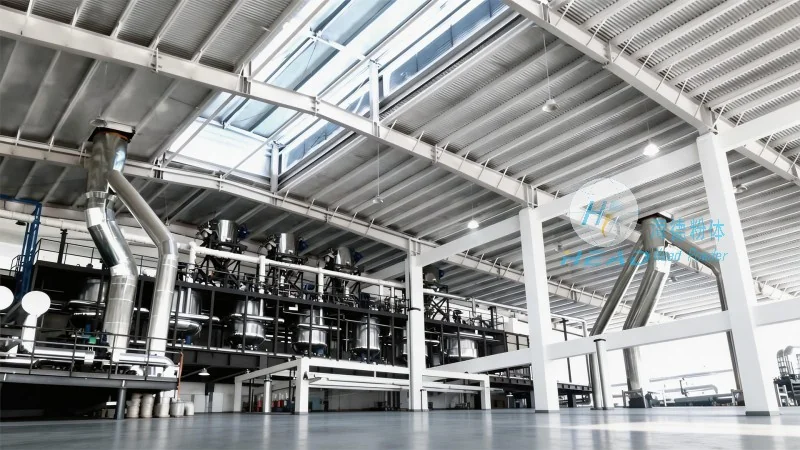
One of the most common methods for transporting ammonium bicarbonate is through bulk handling systems, which are particularly suitable for large-scale industrial operations. These systems typically involve the use of specialized equipment such as bulk tankers, railcars, or trucks equipped with appropriate containment and ventilation features. The process begins with the loading of the material from storage facilities into the transport vehicles, often using vacuum or pressure systems to ensure complete transfer. Once loaded, the vehicles are sealed to prevent any leakage or exposure to the environment, adhering to strict safety protocols to protect both personnel and the surrounding community.
Containerized Transportation for Smaller Quantities
For shorter distances or smaller quantities, containerized transportation is another viable option. This method involves packaging the ammonium bicarbonate in sturdy, airtight containers, such as plastic or metal drums, which are then loaded onto pallets or skids for transport. The containers are designed to withstand the chemical properties of ammonium bicarbonate, ensuring that no degradation occurs during transit. This approach is particularly useful for distribution to smaller businesses or for applications where bulk handling is not feasible. The containers are typically labeled with clear hazard warnings and handling instructions to ensure compliance with safety regulations.
Pipeline Systems for Continuous Flow
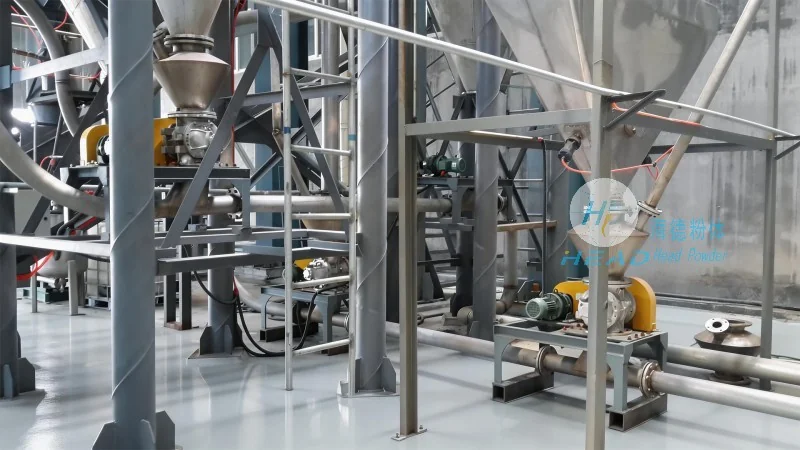
Another important transportation method is the use of pipelines, especially in regions where the material is produced and consumed locally. Pipelines allow for continuous and uninterrupted flow of ammonium bicarbonate, reducing the risk of spills and minimizing handling time. This method is often integrated with existing industrial infrastructure, connecting production facilities directly to end-users or processing plants. The pipelines are constructed from materials resistant to the chemical properties of ammonium bicarbonate, such as stainless steel or specialized plastics, and are equipped with valves and monitoring systems to control flow and detect any leaks. Regular maintenance and inspections are crucial to ensure the integrity of the pipeline system and to prevent any incidents that could compromise safety or efficiency.
Pneumatic Conveying for Precise Distribution
Additionally, for applications requiring precise control over the quantity and timing of delivery, pneumatic conveying systems are employed. These systems use compressed air to transport ammonium bicarbonate through a network of pipes, allowing for flexible and automated distribution. The material is carried in a stream of air, which helps to prevent clogging and ensures consistent flow rates. Pneumatic conveying is particularly effective for transporting the material to specific processing points within a facility, such as reactors or mixers. The system is designed to minimize the risk of dust generation and to maintain the purity of the material, which is critical for many industrial applications. Proper filtration and cleaning procedures are essential to maintain the efficiency and longevity of the pneumatic conveying equipment.

Safety and Compliance in Transportation
When considering the transportation of ammonium bicarbonate, it is essential to prioritize safety and compliance with regulatory standards. The material is classified as a hazardous chemical due to its reactivity and potential to release ammonia gas under certain conditions. Therefore, all transportation methods must adhere to strict guidelines regarding containment, ventilation, and emergency response procedures. Companies involved in the transportation of ammonium bicarbonate must ensure that their personnel are trained in proper handling techniques and that all equipment is regularly inspected and maintained to prevent failures. Compliance with local and national regulations is non-negotiable, as non-compliance can result in significant fines and damage to the environment or public health.
HeadPowder Engineering: Expertise in Ammonium Bicarbonate Transportation
Shandong HeadPowder Engineering Co., Ltd., a leading provider of ammonium bicarbonate solutions, specializes in the design and implementation of efficient transportation systems tailored to the needs of various industries. With a strong commitment to safety and quality, the company offers comprehensive services, including the selection of appropriate transportation equipment, the development of customized handling protocols, and the provision of technical support throughout the entire process. HeadPowder's expertise in bulk handling, containerized transport, and pneumatic conveying ensures that clients receive reliable and cost-effective solutions for their ammonium bicarbonate transportation needs. The company's facilities are located in Shandong, China, providing a strategic advantage for serving both domestic and international markets.

 Shandong Headpowder Engineering Co., Ltd.
 156-6277-7102(Quản lý Trương)
  0531-83386006
  Thành phố Tế Nam, Tỉnh Sơn Đông, Trung Quốc
Điện thoại
WeChatTư vấn
Lên đầu