Với hơn 10 năm kinh nghiệm về vận chuyển khí nén, Headpowder Sơn Đông cung cấp hệ thống, thiết bị và quạt gió toàn chuỗi, đảm nhận các dự án kỹ thuật bột trọn gói trên toàn quốc.
For industrial applications, the efficient and reliable transportation of dry lime is crucial for various processes. A well-designed dry lime pneumatic conveying system not only enhances operational efficiency but also ensures safety and cost-effectiveness. This article provides a comprehensive guide on how to design a rational dry lime pneumatic conveying system, focusing on key considerations and best practices.
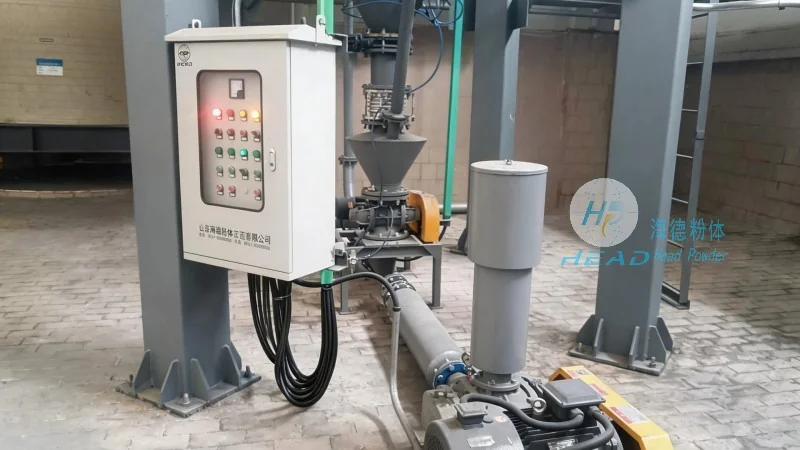
About HeadPowder: Your Trusted Partner in Pneumatic Conveying Solutions
HeadPowder, the abbreviation for Shandong HeadPowder Engineering Co., Ltd., is a leading engineering company based in Shandong, China. With years of experience in the field of pneumatic conveying systems, HeadPowder specializes in providing customized solutions for the transportation of bulk materials, including dry lime. The company's expertise lies in understanding the unique challenges of each application and designing systems that meet specific operational requirements.
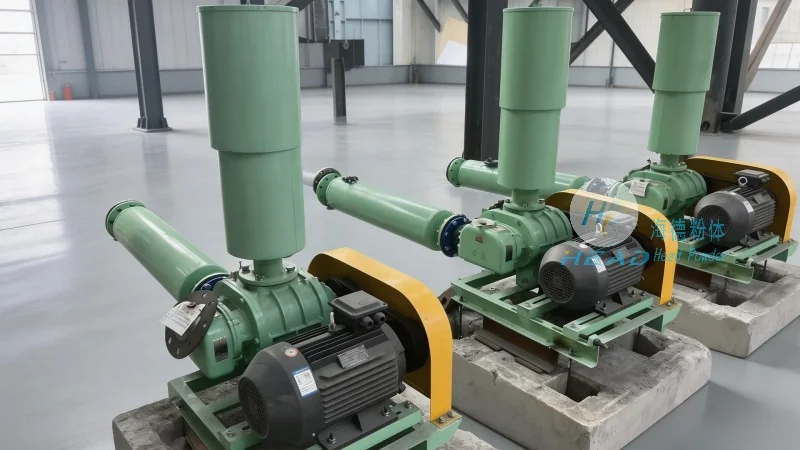
Key Factors to Consider in Dry Lime Pneumatic Conveying System Design
Designing an effective dry lime pneumatic conveying system involves several critical factors that must be carefully evaluated. The first step is to assess the material characteristics of dry lime, such as particle size, density, and flowability. These properties directly impact the selection of the conveying method, whether it's a positive or negative pressure system. Additionally, the distance and layout of the conveying route are essential considerations, as they determine the required air velocity and system pressure. The choice of equipment, including the feeder, pipeline, and separator, also plays a vital role in ensuring smooth and efficient operation.
Equipment Selection for Dry Lime Pneumatic Conveying
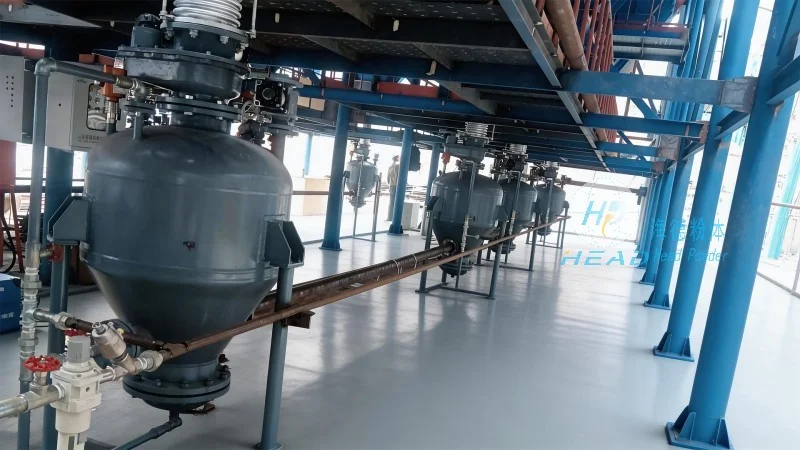
HeadPowder recommends several key equipment components for a dry lime pneumatic conveying system. The feeder is a critical component that ensures consistent material flow into the system. For dry lime, a rotary valve or a screw feeder is commonly used to maintain a stable feed rate. The pipeline system, typically made of stainless steel or other corrosion-resistant materials, must be designed to handle the abrasive nature of lime particles. The air compressor or blower provides the necessary pressure to move the material through the pipeline. Finally, the separator is responsible for separating the conveyed material from the air, ensuring that the material is delivered to the destination without contamination.
System Configuration and Implementation
Once the equipment is selected, the system configuration must be optimized for the specific application. The layout of the pipeline should be designed to minimize pressure drops and avoid dead zones, which can lead to material accumulation and blockages. HeadPowder's engineers use advanced software to simulate the system and ensure optimal performance. During the implementation phase, proper installation and commissioning are crucial to avoid operational issues. Regular maintenance and monitoring are also essential to ensure the long-term reliability of the system.
Maintenance and Optimization of Dry Lime Pneumatic Conveying Systems
Proper maintenance is vital to keep the dry lime pneumatic conveying system operating at peak efficiency. Regular inspection of the equipment, such as the feeder and pipeline, can help identify potential issues before they become major problems. Cleaning the system periodically is also important to prevent the buildup of lime deposits, which can affect performance. HeadPowder offers maintenance services to ensure that the system remains in good condition. Additionally, system optimization can be performed to improve efficiency and reduce energy consumption. By monitoring key parameters, such as air pressure and material flow rate, adjustments can be made to enhance the system's performance.
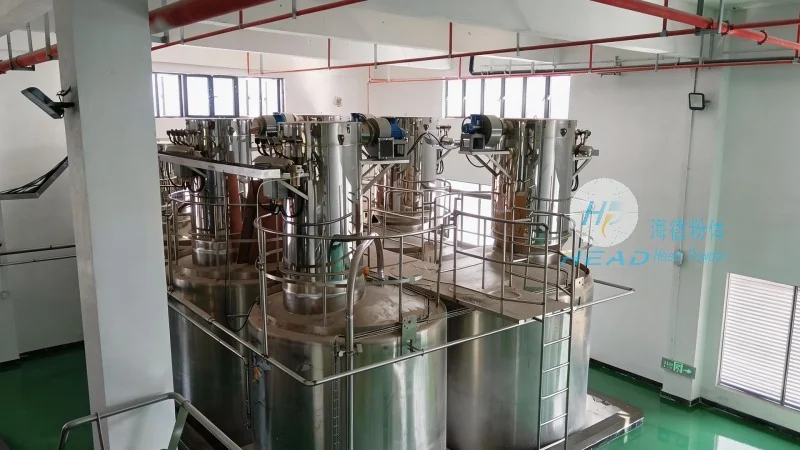
Conclusion
Designing a rational dry lime pneumatic conveying system requires a thorough understanding of the material properties, application requirements, and available equipment. HeadPowder, with its expertise and experience, provides customized solutions that meet the specific needs of each client. By following the best practices outlined in this article, industrial facilities can achieve efficient and reliable transportation of dry lime, improving overall operational performance and reducing costs.

 Shandong Headpowder Engineering Co., Ltd.
 156-6277-7102(Quản lý Trương)
  0531-83386006
  Thành phố Tế Nam, Tỉnh Sơn Đông, Trung Quốc
Điện thoại
WeChatTư vấn
Lên đầu