Với hơn 10 năm kinh nghiệm về vận chuyển khí nén, Headpowder Sơn Đông cung cấp hệ thống, thiết bị và quạt gió toàn chuỗi, đảm nhận các dự án kỹ thuật bột trọn gói trên toàn quốc.
When managing the disposal and transportation of furfural ash, selecting the appropriate conveying system is crucial for operational efficiency and safety. Furfural ash, a byproduct from the furfural production process, requires specialized handling due to its characteristics such as high temperature, abrasive nature, and potential for dust generation. This article provides a comparative analysis of common furfural ash conveying methods, highlighting their applications, advantages, and considerations for industrial settings.
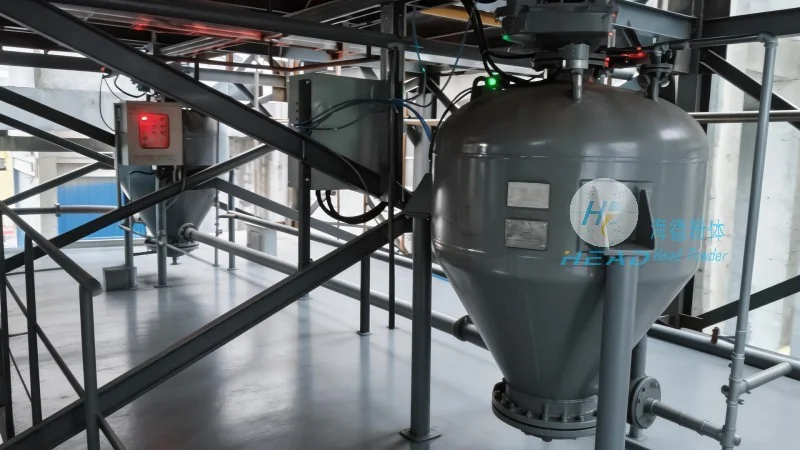
Introduction to Furfural Ash Conveying Systems
Furfural ash, also known as furfural residue, is a solid waste material generated during the distillation of furfural from agricultural byproducts like corn cobs or wheat bran. The ash typically contains carbonaceous materials, mineral oxides, and other impurities, making it challenging to transport. Effective conveying systems must address issues like heat transfer, material abrasion, and dust control to ensure safe and efficient operation. The choice of conveying method depends on factors such as the ash's physical properties, the distance to be transported, and the available space in the facility.
Common Conveying Methods: Belt Conveyors
Belt conveyors are widely used in industrial applications for transporting bulk materials, including furfural ash. These systems consist of a continuous belt looped over pulleys, with the material placed on the belt and moved by friction. For furfural ash, belt conveyors are often equipped with heat-resistant and abrasion-resistant materials, such as high-strength rubber or polyurethane, to withstand the harsh conditions. The primary advantage of belt conveyors is their ability to handle large volumes of material over long distances with minimal maintenance. They are particularly suitable for horizontal or slightly inclined transport routes, where the ash can be moved without significant changes in elevation. However, belt conveyors may face challenges with material that is too hot or sticky, as this can cause the belt to slip or the material to adhere to the belt surface. Additionally, they require regular cleaning and inspection to prevent dust accumulation and belt wear.
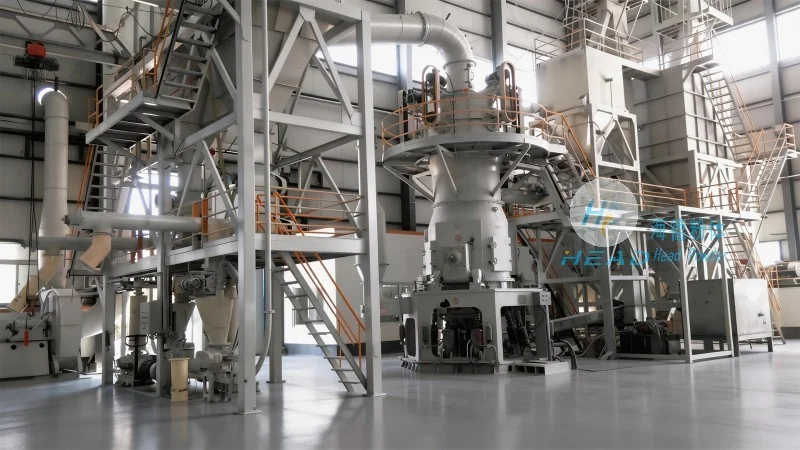
Common Conveying Methods: Screw Conveyors
Screw conveyors, also known as auger conveyors, use a rotating screw to move material along a trough. This method is particularly effective for transporting furfural ash that is dry and free-flowing. The screw, typically made of stainless steel or high-grade carbon steel, rotates within a U-shaped or rectangular trough, pushing the material forward. Screw conveyors are compact and can be installed in confined spaces, making them ideal for facilities with limited room. They are also capable of handling vertical or inclined transport, allowing for changes in elevation without additional equipment. The main advantage of screw conveyors is their simplicity and reliability; they have few moving parts and require minimal maintenance. However, they are less suitable for abrasive or hot materials, as the screw and trough can wear quickly. The capacity of screw conveyors is also limited compared to belt conveyors, making them more appropriate for smaller volumes or shorter distances.
Common Conveying Methods: Pneumatic Conveying Systems
Pneumatic conveying systems use air or other gases to transport furfural ash through a pipeline. This method is particularly effective for handling fine or dusty ash, as it can transport material without direct contact with the conveying equipment. There are two main types of pneumatic conveyors: positive displacement and pressure systems. Positive displacement systems use a pump to create a vacuum or pressure, drawing the ash into the pipeline and moving it to the destination. Pressure systems use compressed air to push the material through the pipeline. Pneumatic conveying offers high flexibility, as it can transport material over long distances and through multiple turns or changes in elevation. It is also suitable for applications where dust control is critical, as the material is contained within the pipeline. However, pneumatic systems require significant energy input, as they need to overcome the resistance of the pipeline and the material's density. They are also prone to clogging if the ash contains large particles or is too dry, which can lead to system downtime and maintenance issues.
Advantages and Considerations for Each Method
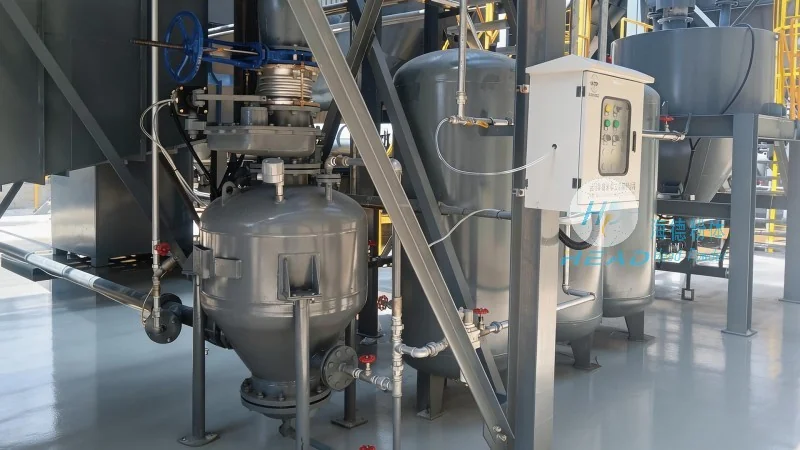
Each conveying method has its own set of advantages and considerations that must be evaluated when selecting a system for furfural ash transport. Belt conveyors excel in large-scale, horizontal transport but may struggle with hot or sticky materials. Screw conveyors are compact and reliable for smaller volumes but have limited capacity and wear quickly with abrasive materials. Pneumatic systems offer flexibility and dust control but require high energy consumption and are susceptible to clogging. The choice of method should be based on the specific characteristics of the furfural ash, the operational requirements of the facility, and the available budget and space. For example, a facility with a large production volume and long horizontal transport distances may find belt conveyors most suitable, while a facility with limited space and smaller volumes might prefer screw conveyors. In cases where dust control is a major concern, pneumatic systems may be the best option, despite their higher energy costs.
Company Profile: Shandong HeadPowder Engineering Co., Ltd.
Shandong HeadPowder Engineering Co., Ltd., a leading provider of industrial conveying solutions, specializes in designing and manufacturing customized systems for handling challenging materials like furfural ash. With years of experience in the industry, the company understands the unique challenges associated with furfural ash and offers tailored solutions to meet the specific needs of clients. HeadPowder's team of engineers and technicians work closely with clients to assess their operational requirements, material properties, and facility constraints, ensuring that the selected conveying system is efficient, reliable, and safe. The company's products are manufactured using high-quality materials and advanced technology, adhering to international standards for industrial equipment. HeadPowder's commitment to quality and customer satisfaction has made it a trusted partner for businesses in the chemical, agricultural, and waste management sectors. By leveraging their expertise and innovative solutions, HeadPowder helps clients optimize their furfural ash handling processes, reducing operational costs and improving overall efficiency.

 Shandong Headpowder Engineering Co., Ltd.
 156-6277-7102(Quản lý Trương)
  0531-83386006
  Thành phố Tế Nam, Tỉnh Sơn Đông, Trung Quốc
Điện thoại
WeChatTư vấn
Lên đầu