Với hơn 10 năm kinh nghiệm về vận chuyển khí nén, Headpowder Sơn Đông cung cấp hệ thống, thiết bị và quạt gió toàn chuỗi, đảm nhận các dự án kỹ thuật bột trọn gói trên toàn quốc.
White clay, a vital material in various industrial applications, demands efficient and reliable transport solutions to maintain smooth operations. For companies dealing with white clay, choosing the right transport method is crucial to enhance productivity and minimize operational challenges. This article explores common white clay transport methods, with a focus on pneumatic conveying, a widely adopted technique in the industry.
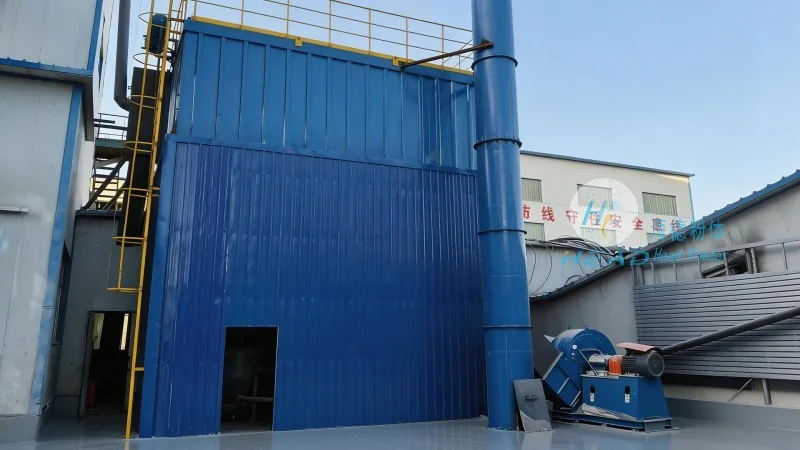
Introduction to White Clay Transport Methods
White clay, also known as bentonite or kaolin, is widely used in manufacturing, construction, and other sectors. Its properties, such as plasticity and adsorption, make it essential for products like ceramics, paper, and cosmetics. However, transporting this fine material requires specialized methods to prevent loss, contamination, or degradation. Traditional transport methods include truck or rail transport, screw conveyors, belt conveyors, and pneumatic systems, each with its own set of advantages and limitations.
Understanding the Importance of Efficient Clay Transport
Efficient white clay transport is critical for maintaining product quality and reducing costs. Inefficient methods can lead to material loss, increased energy consumption, and higher maintenance expenses. For instance, mechanical conveyors may experience clogging with fine white clay particles, leading to downtime and increased operational costs. Therefore, selecting a transport method that is compatible with the material's characteristics is essential for long-term success.
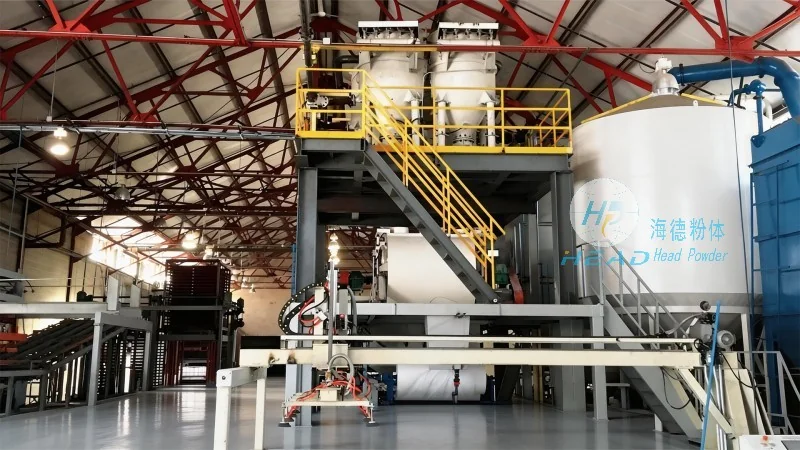
Common Transport Methods for White Clay
Several methods are commonly used for transporting white clay, including truck or rail transport, screw conveyors, belt conveyors, and pneumatic systems. Truck and rail transport are suitable for bulk quantities over long distances but are often subject to logistical constraints and higher costs. Screw and belt conveyors are effective for shorter distances and lower volumes but may not be ideal for handling fine or dusty white clay due to the risk of clogging or material degradation.
Pneumatic Conveying: A Detailed Overview
Pneumatic conveying, or air conveying, is a method that uses compressed air to transport white clay particles through a pipeline. This technique is particularly effective for white clay because it can handle fine powders without the need for mechanical components that might cause clogging. The process involves feeding the white clay into a hopper, where it is then drawn into the pipeline by the air flow. The air pressure and velocity are carefully controlled to ensure the material is transported smoothly and without damage.
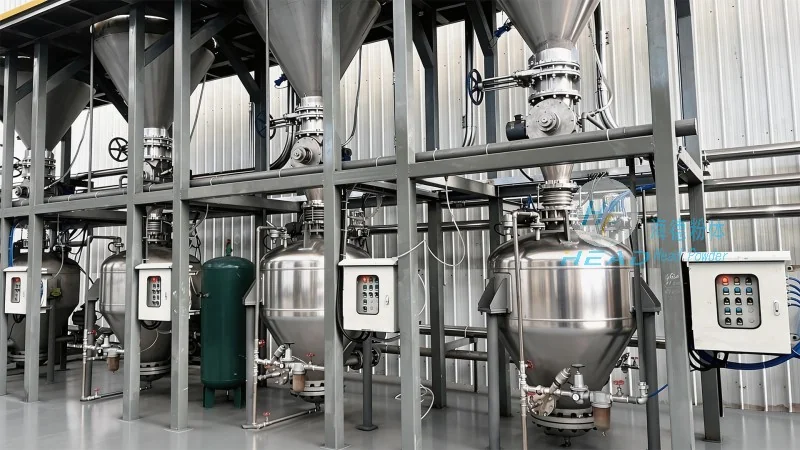
Advantages of Pneumatic Conveying for White Clay
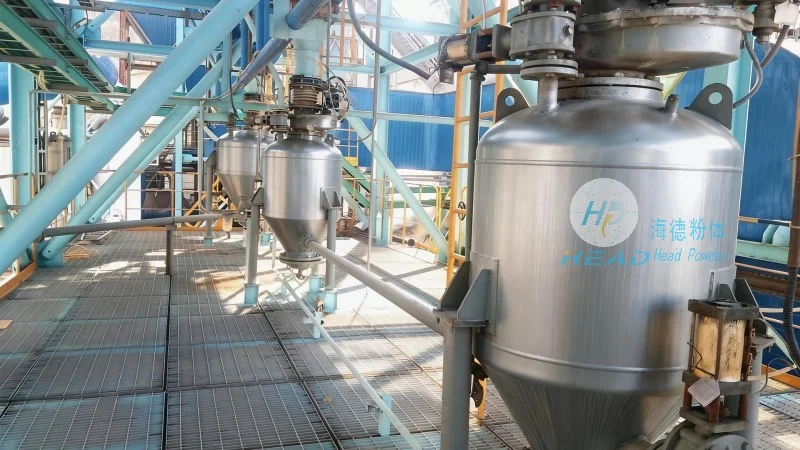
One of the primary advantages of pneumatic conveying for white clay is its ability to handle fine particles and prevent material degradation. Unlike mechanical conveyors, pneumatic systems do not have moving parts that can break or wear down, reducing maintenance costs and downtime. Additionally, pneumatic conveying allows for a more hygienic and controlled environment, which is essential for industries where product purity is critical. The system can also be designed to handle varying particle sizes and moisture content, making it versatile for different applications.
Application Scenarios and Practical Considerations
The effectiveness of pneumatic conveying in white clay transport depends on several factors, including the distance of transport, the volume of material, and the particle characteristics. For short distances, low-pressure pneumatic systems are often sufficient, while for longer distances, high-pressure or vacuum systems may be required. The choice of system also depends on the specific requirements of the processing plant, such as the need for dust control or the integration with other equipment. Proper design and installation are crucial to ensure the system operates efficiently and safely.
Conclusion and Company Information
In conclusion, selecting the appropriate transport method for white clay is essential for optimizing industrial processes. Pneumatic conveying stands out as a reliable and efficient option, offering benefits such as reduced maintenance, improved product quality, and enhanced safety. Companies like Shandong HeadPowder Engineering Co., Ltd. play a vital role in providing customized solutions that meet the unique needs of white clay processing. By leveraging advanced pneumatic conveying technologies, businesses can improve their operational efficiency and maintain a competitive edge in the market.

 Shandong Headpowder Engineering Co., Ltd.
 156-6277-7102(Quản lý Trương)
  0531-83386006
  Thành phố Tế Nam, Tỉnh Sơn Đông, Trung Quốc
Điện thoại
WeChatTư vấn
Lên đầu