Với hơn 10 năm kinh nghiệm về vận chuyển khí nén, Headpowder Sơn Đông cung cấp hệ thống, thiết bị và quạt gió toàn chuỗi, đảm nhận các dự án kỹ thuật bột trọn gói trên toàn quốc.
Ternary cathode materials are crucial components in modern lithium-ion batteries, playing a vital role in determining the performance and energy density of the final battery products. As the demand for high-performance batteries in electric vehicles, energy storage systems, and portable electronics continues to grow, the efficient and reliable transport of these materials has become a critical aspect of the battery manufacturing process. Proper handling and transportation of ternary cathode powders ensure minimal loss, contamination, and degradation, which are essential for maintaining product quality and consistency. This article explores the various transport methods available for ternary cathode materials, with a particular focus on the advantages and features of pneumatic conveying systems.
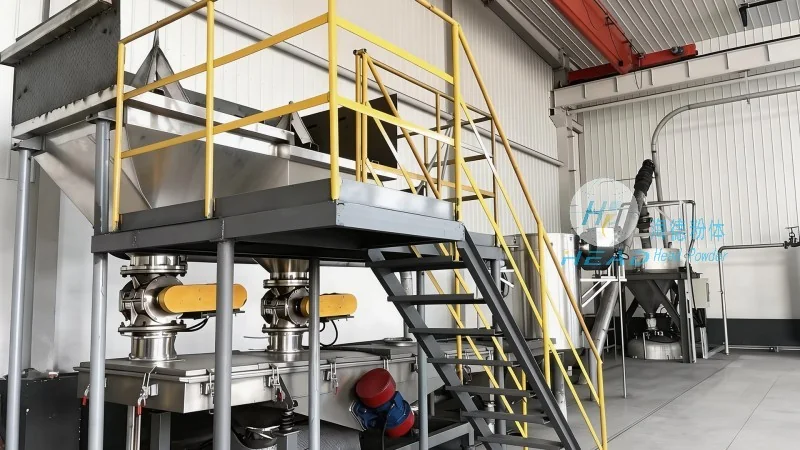
Introduction to Ternary Cathode Material Transport Methods
Ternary cathode materials typically consist of a blend of transition metal oxides, such as nickel, cobalt, and manganese, often combined with elements like lithium and aluminum. These materials are usually in powder form, requiring specialized handling to prevent agglomeration, oxidation, or particle degradation during transport. Traditional transport methods for bulk powders include mechanical conveyors like belt conveyors, screw conveyors, and bucket elevators. However, these systems may suffer from issues like material buildup, wear and tear, and the risk of dust explosion in certain environments. As a result, more advanced and controlled transport technologies have emerged to address these challenges, with pneumatic conveying being one of the most effective solutions for handling sensitive and high-value powders like ternary cathode materials.
Common Transport Methods for Ternary Cathode Materials
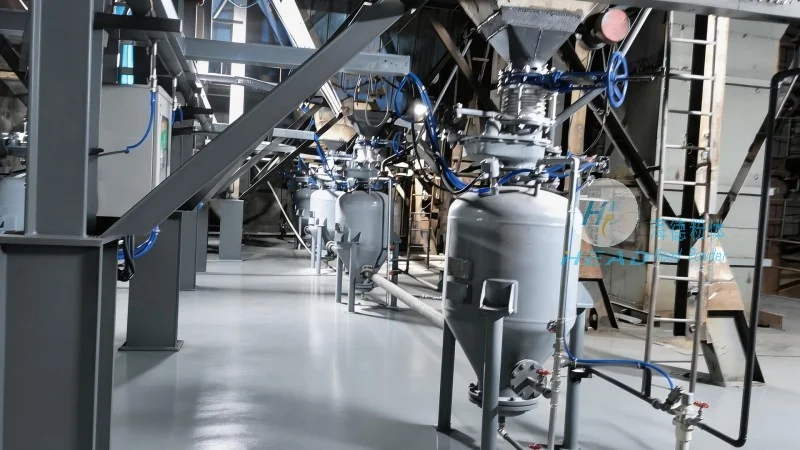
When selecting a transport method for ternary cathode materials, manufacturers must consider factors such as material properties, production scale, environmental regulations, and operational efficiency. Mechanical conveyors, while widely used in many industries, may not be suitable for highly reactive or fine powders due to their potential to cause friction and heat generation. For instance, belt conveyors can lead to material degradation through friction and exposure to ambient air, which can affect the chemical stability of the cathode material. Screw conveyors, on the other hand, are effective for handling bulk materials but may not provide the necessary containment for fine powders, leading to dust dispersion and safety concerns. In contrast, pneumatic conveying systems offer a more controlled environment for transporting powders, minimizing exposure to air and reducing the risk of contamination or degradation.
Advantages and Features of Pneumatic Conveying for Ternary Cathode Materials
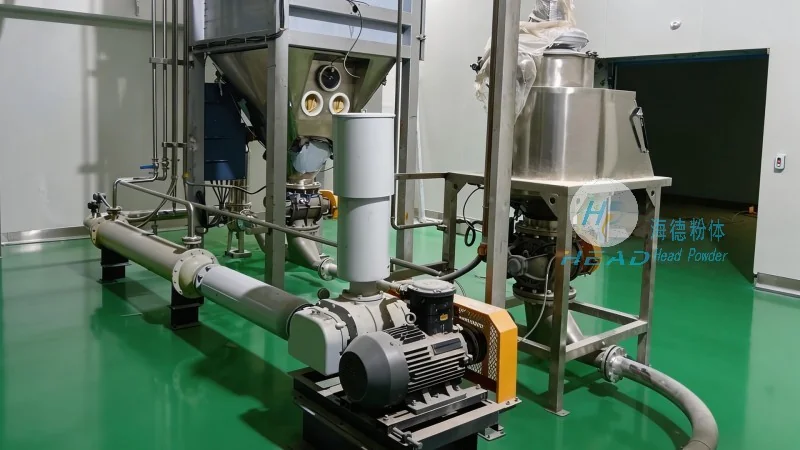
Pneumatic conveying, also known as air conveying, is a technology that uses compressed air to transport bulk materials through a pipeline system. This method is particularly advantageous for ternary cathode materials due to several key features that enhance material handling and process efficiency. First, pneumatic conveying provides a closed system, which prevents dust from escaping into the environment and reduces the risk of dust explosions. The enclosed pipeline design ensures that the material remains contained throughout the transport process, maintaining its purity and preventing contamination from external sources. Second, pneumatic systems offer high transport efficiency, allowing for the movement of large volumes of material over long distances with minimal energy consumption compared to other mechanical systems. The use of compressed air as the conveying medium enables rapid and consistent material flow, which is critical for maintaining production throughput in battery manufacturing facilities.
Another significant advantage of pneumatic conveying is its ability to handle fine and sensitive powders without causing particle breakage or agglomeration. Ternary cathode materials often consist of sub-micron particles that are prone to clumping, which can affect battery performance. Pneumatic systems use low-velocity or high-velocity air streams to gently move the material, reducing the impact forces that could cause particle degradation. This gentle handling is essential for preserving the material's surface area and chemical properties, which directly impact the battery's energy density and cycle life. Additionally, pneumatic conveying systems can be integrated with dust collection and filtration equipment, ensuring that any airborne particles are captured and recycled, further enhancing environmental safety and material recovery.
Company Profile: Shandong HeadPowder Engineering Co., Ltd.
Shandong HeadPowder Engineering Co., Ltd., commonly known as HeadPowder, is a leading manufacturer specializing in engineering solutions for powder handling and material transport. With a strong focus on the battery industry, HeadPowder has developed advanced pneumatic conveying systems tailored to the specific needs of ternary cathode material manufacturers. The company's headquarters is located in Shandong, China, and it has established a reputation for providing high-quality, reliable equipment that meets the stringent requirements of modern battery production. HeadPowder's expertise lies in designing customized conveying solutions that optimize material flow, minimize downtime, and enhance overall operational efficiency. By leveraging years of experience in powder technology and process engineering, HeadPowder has become a trusted partner for battery manufacturers seeking to improve their material handling processes and ensure the quality of their ternary cathode products.

 Shandong Headpowder Engineering Co., Ltd.
 156-6277-7102(Quản lý Trương)
  0531-83386006
  Thành phố Tế Nam, Tỉnh Sơn Đông, Trung Quốc
Điện thoại
WeChatTư vấn
Lên đầu