Với hơn 10 năm kinh nghiệm về vận chuyển khí nén, Headpowder Sơn Đông cung cấp hệ thống, thiết bị và quạt gió toàn chuỗi, đảm nhận các dự án kỹ thuật bột trọn gói trên toàn quốc.
When it comes to handling and transporting pearl salt powder, selecting the right conveying method is crucial for efficiency, cost-effectiveness, and product integrity. Various options are available, each with its own advantages and limitations. This article provides a detailed comparison of common pearl salt powder conveying methods, helping businesses make informed decisions based on their specific operational needs.
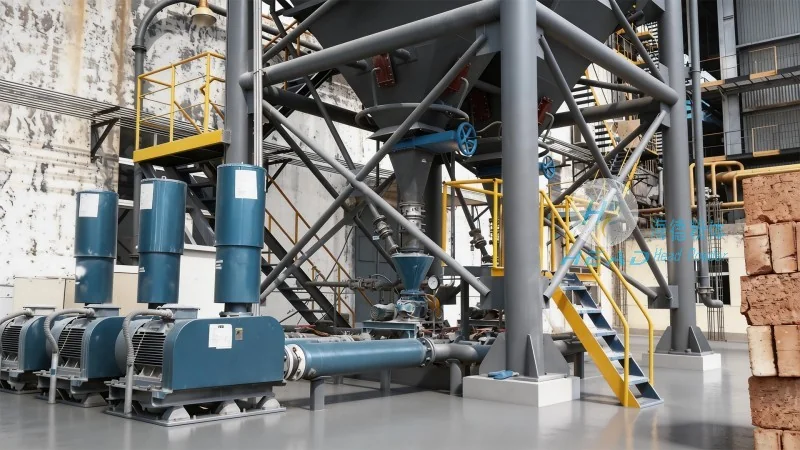
Understanding the Core Requirements for Pearl Salt Powder Conveying
Before diving into specific methods, it's essential to understand the key factors that influence the choice of a conveying system. Pearl salt powder, with its fine particles and potential for static charge, demands equipment that can handle dust, prevent clogging, and maintain product quality. Key considerations include material flow rate, distance to be covered, space availability, and the need for dust control. These factors directly impact the selection of a suitable conveying method.
Method 1: Screw Conveyors for Horizontal and Inclined Transport
Screw conveyors, also known as auger conveyors, are a popular choice for transporting pearl salt powder over short to medium distances. These systems consist of a rotating screw (auger) inside a U-shaped or cylindrical tube. The screw rotates, pushing the material forward. For pearl salt powder, screw conveyors are effective for horizontal and slight incline applications, making them ideal for feeding hoppers, mixing equipment, or packaging lines. The enclosed design helps contain dust and prevent material spillage. However, they may struggle with very fine powders that tend to cling to the screw surface, potentially leading to clogging or uneven flow. The material flow rate is generally lower compared to other methods, and the system requires regular maintenance to ensure smooth operation.
Method 2: Pneumatic Conveying Systems for Long-Distance and Dust-Free Transport
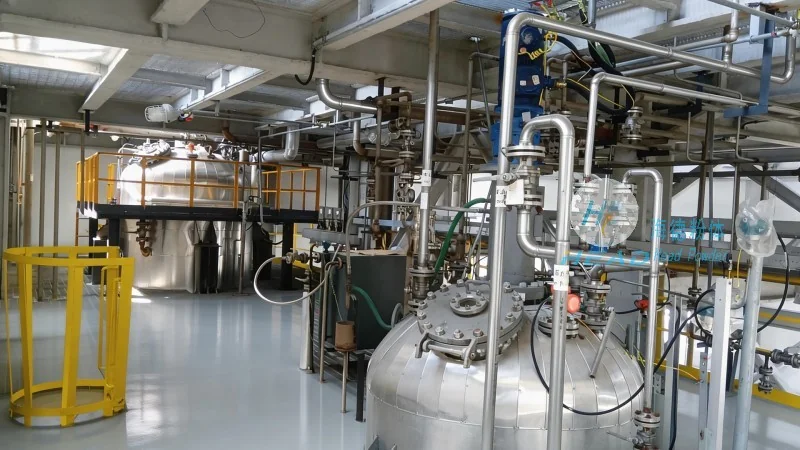
Pneumatic conveying systems use air or gas to transport pearl salt powder through a pipeline. These systems are categorized into two main types: pressure and vacuum. Pressure systems push the material with compressed air, while vacuum systems draw it using a vacuum pump. For pearl salt powder, pneumatic conveying offers significant advantages, especially for long-distance transport and applications requiring dust-free environments. The enclosed pipeline prevents dust from escaping, making it suitable for cleanroom or food processing facilities. It also allows for flexible routing, as the pipeline can be easily reconfigured to adapt to changes in production layout. However, pneumatic systems require higher energy consumption due to the need for compressed air, and they may not be as efficient for very fine or cohesive powders that tend to agglomerate in the pipeline. Proper air filtration and moisture control are also critical to prevent material degradation.
Method 3: Belt Conveyors for Bulk and Continuous Transport
Belt conveyors are widely used in bulk material handling, including the transport of pearl salt powder. These systems consist of a continuous belt that moves over rollers or pulleys, carrying the material from one point to another. Belt conveyors are ideal for high-volume, continuous transport over longer distances, such as in storage facilities or between processing stages. They can handle a wide range of particle sizes and flow rates, making them versatile for various production scenarios. The open design allows for easy inspection and maintenance, and the system can be easily scaled up or down based on production needs. However, belt conveyors require significant space for installation and may not be suitable for applications where dust containment is critical, as the open design can lead to dust emissions. Additionally, the belt material must be chosen carefully to prevent material buildup or wear from the fine particles.
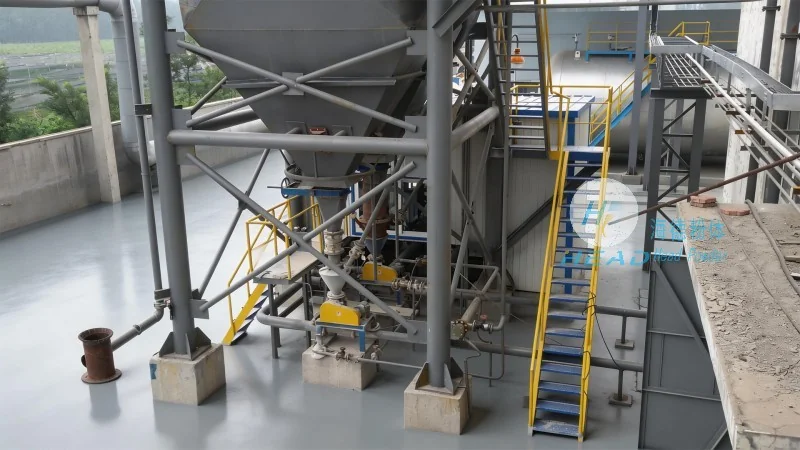
Method 4: Bucket Elevators for Vertical Transport
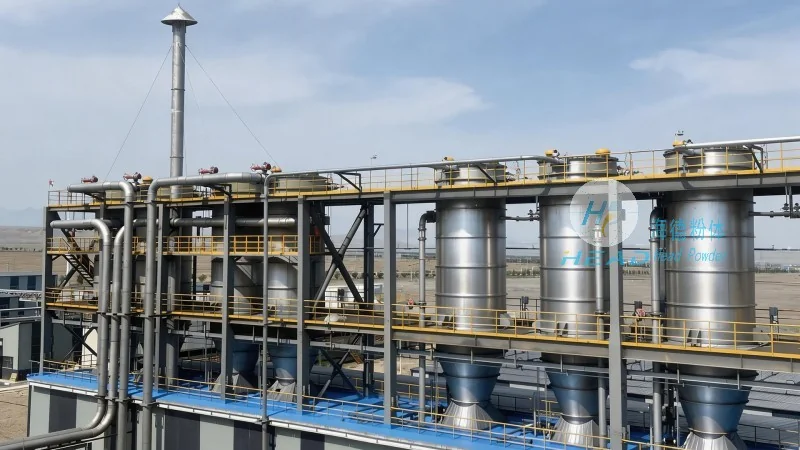
Bucket elevators are specifically designed for vertical transport of materials, including pearl salt powder. These systems consist of a vertical or inclined conveyor with a series of buckets attached to a chain or belt. As the conveyor rotates, the buckets scoop up the material from a lower hopper and discharge it into an upper hopper. Bucket elevators are highly efficient for vertical transport, capable of moving large volumes of material over significant heights with minimal space requirements. They are particularly useful when the material needs to be elevated to a higher level for processing or storage. The enclosed design helps contain dust and prevent material spillage, making them suitable for applications where dust control is essential. However, bucket elevators have a higher initial cost compared to other methods and may require more maintenance due to the moving parts. They are also less flexible in terms of routing, as the vertical design limits the ability to change the transport path.
Comparative Analysis: Choosing the Right Conveying Method
When comparing the above methods, several factors must be considered to select the most suitable option for transporting pearl salt powder. Screw conveyors are cost-effective for short distances and horizontal transport but may struggle with fine powders. Pneumatic systems excel in long-distance and dust-free applications but have higher energy costs. Belt conveyors are ideal for bulk and continuous transport but require more space and may not be suitable for dust-sensitive environments. Bucket elevators are efficient for vertical transport but have higher costs and maintenance requirements. The choice ultimately depends on the specific operational needs, including the distance to be covered, the required flow rate, the need for dust control, and the available space and budget. It is often beneficial to consult with equipment manufacturers or process engineers to evaluate the best solution for a particular application.
Conclusion: Optimizing Pearl Salt Powder Conveying with HeadPowder Engineering
Efficient and reliable conveying of pearl salt powder is essential for maintaining product quality and operational efficiency. By understanding the different conveying methods and their respective advantages and limitations, businesses can select the most appropriate system for their needs. Shandong HeadPowder Engineering Co., Ltd., a leading manufacturer in the field, offers a range of conveying solutions tailored to the unique requirements of pearl salt powder handling. With expertise in designing and implementing custom conveying systems, HeadPowder Engineering ensures that clients achieve optimal performance, reduced downtime, and improved overall productivity. Whether you need a screw conveyor for horizontal transport or a pneumatic system for long-distance delivery, HeadPowder Engineering provides the expertise and equipment to meet your conveying needs. Contact us today to learn more about how our solutions can enhance your pearl salt powder handling operations.

 Shandong Headpowder Engineering Co., Ltd.
 156-6277-7102(Quản lý Trương)
  0531-83386006
  Thành phố Tế Nam, Tỉnh Sơn Đông, Trung Quốc
Điện thoại
WeChatTư vấn
Lên đầu