Với hơn 10 năm kinh nghiệm về vận chuyển khí nén, Headpowder Sơn Đông cung cấp hệ thống, thiết bị và quạt gió toàn chuỗi, đảm nhận các dự án kỹ thuật bột trọn gói trên toàn quốc.
Water - containing ammonium nitrate (WAN) is a widely used industrial chemical, often employed in fertilizer production and other applications. The efficient and safe transportation of this material is crucial for industrial operations. Among various conveying methods, pneumatic conveying stands out as a preferred solution due to its unique advantages. This article explores the different conveying methods available for water - containing ammonium nitrate and highlights the key benefits and characteristics of pneumatic conveying.
Introduction to Conveying Methods for Water - Containing Ammonium Nitrate
Conveying water - containing ammonium nitrate involves transporting the material from its source to processing or storage facilities. Traditional methods such as belt conveyors and screw conveyors have been used for decades, but they may face challenges when dealing with materials that are sticky or have high moisture content. These challenges can lead to operational inefficiencies, increased maintenance costs, and potential safety hazards. In response to these issues, advanced conveying technologies like pneumatic conveying have gained prominence in the industry.
Key Conveying Methods for Water - Containing Ammonium Nitrate
Several methods are available for the transportation of water - containing ammonium nitrate, each with its own set of advantages and limitations. The primary options include:
Belt Conveyors: These are common in bulk material handling, offering a cost - effective solution for horizontal and slightly inclined transport. However, they may struggle with materials that are prone to caking or have high moisture levels, as the material can stick to the belt or cause blockages.
Screw Conveyors: Screw conveyors are suitable for vertical and horizontal transport, providing a compact design. Yet, they can be less effective with sticky or wet materials, as the screw may experience reduced efficiency and increased wear.
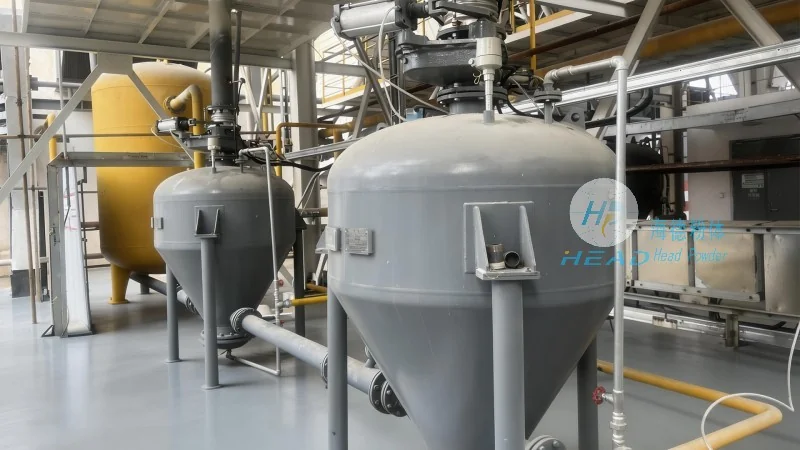
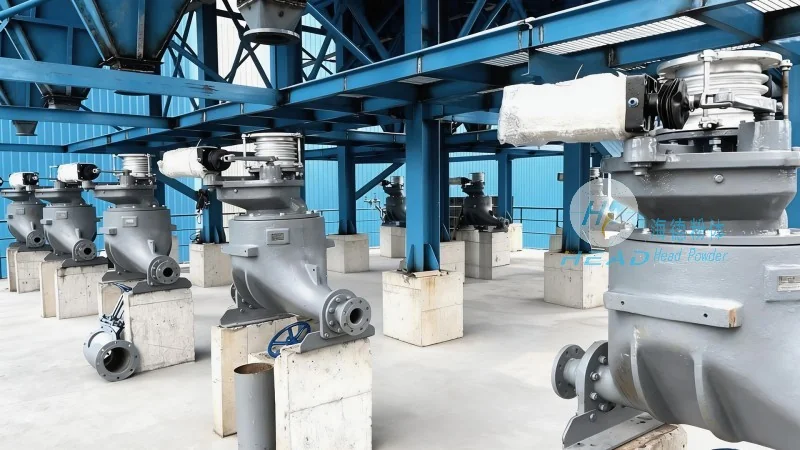
Pneumatic Conveying: This method uses air pressure to move the material through a pipeline. It is particularly effective for water - containing ammonium nitrate due to its ability to handle sticky or wet materials without clogging, ensuring smooth and continuous operation.
The Advantages of Pneumatic Conveying for Water - Containing Ammonium Nitrate
Pneumatic conveying offers several key advantages that make it an ideal choice for transporting water - containing ammonium nitrate. These benefits include:
Non - Contact Material Handling: Unlike mechanical conveyors, pneumatic systems do not use physical contact to move the material. This reduces wear and tear on the material and the equipment, leading to lower maintenance costs and longer equipment lifespan.
Efficient Handling of Sticky and Wet Materials: The air flow in pneumatic conveying helps to keep the material in suspension, preventing it from sticking to the pipeline walls or forming blockages. This is especially beneficial for water - containing ammonium nitrate, which can be prone to caking.
Flexibility in Layout: Pneumatic conveying systems can be easily integrated into existing industrial layouts, allowing for horizontal, vertical, or even complex multi - directional transport. This flexibility enables manufacturers to optimize their production lines and reduce space requirements.
Reduced Downtime and Increased Productivity: By minimizing clogging and ensuring continuous material flow, pneumatic conveying reduces downtime and increases overall productivity. This translates to cost savings and improved operational efficiency for the company.
Features of Pneumatic Conveying Systems for Water - Containing Ammonium Nitrate
In addition to the advantages mentioned above, pneumatic conveying systems for water - containing ammonium nitrate typically include several key features that enhance their performance and reliability. These features may include:
High - Pressure Air Compressors: These provide the necessary air pressure to move the material through the pipeline, ensuring efficient and consistent conveying.
Specialized Pipeline Design: The pipelines are often made of materials resistant to corrosion and abrasion, such as stainless steel or special polymers, to withstand the chemical properties of ammonium nitrate and the effects of moisture.
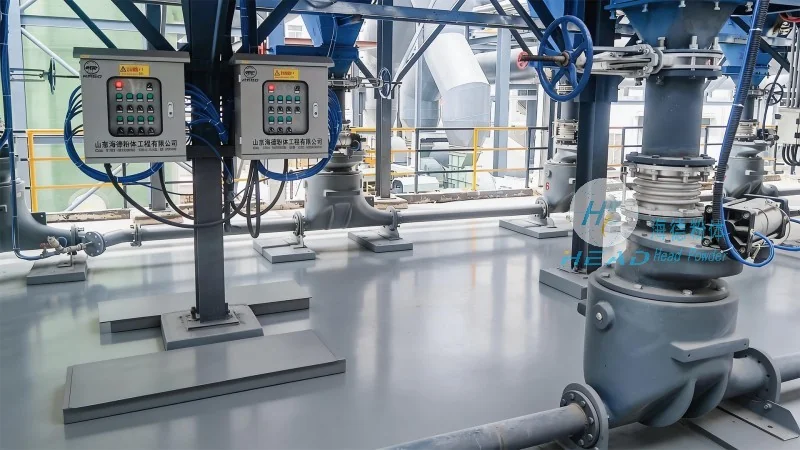
Control Systems: Advanced control systems allow for precise regulation of air flow and pressure, ensuring optimal performance and preventing over - pressurization or under - pressurization.
Cleaning and Maintenance Components: Systems may include components like filters and cyclones to remove dust and debris, as well as maintenance features to ensure smooth operation and extend the system's lifespan.
Conclusion and Company Information
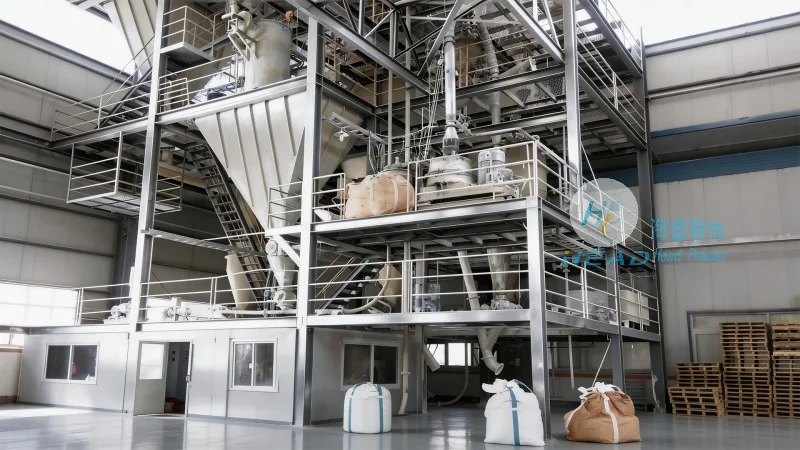
When it comes to the efficient and safe transportation of water - containing ammonium nitrate, pneumatic conveying emerges as a superior solution. Its ability to handle sticky and wet materials, combined with its non - contact operation and flexibility, makes it a preferred choice for many industrial applications. As a leading provider in the field, Shandong HeadPowder Engineering Co., Ltd. specializes in the design, manufacturing, and installation of advanced pneumatic conveying systems tailored to the specific needs of water - containing ammonium nitrate handling. With a focus on quality and reliability, the company ensures that its systems meet the highest industry standards, delivering long - term performance and cost - effective solutions for its clients. Based in Shandong, China, HeadPowder continues to innovate and provide cutting - edge solutions for the challenges of material handling in the chemical industry.

 Shandong Headpowder Engineering Co., Ltd.
 156-6277-7102(Quản lý Trương)
  0531-83386006
  Thành phố Tế Nam, Tỉnh Sơn Đông, Trung Quốc
Điện thoại
WeChatTư vấn
Lên đầu