Với hơn 10 năm kinh nghiệm về vận chuyển khí nén, Headpowder Sơn Đông cung cấp hệ thống, thiết bị và quạt gió toàn chuỗi, đảm nhận các dự án kỹ thuật bột trọn gói trên toàn quốc.
When it comes to the efficient handling and transportation of soybeans, selecting the right conveying method is crucial for optimizing production processes and ensuring product quality. Various options are available, each with its own advantages and applications. This article provides an overview of common soybean conveying methods, with a focus on the benefits and applications of pneumatic conveying systems.
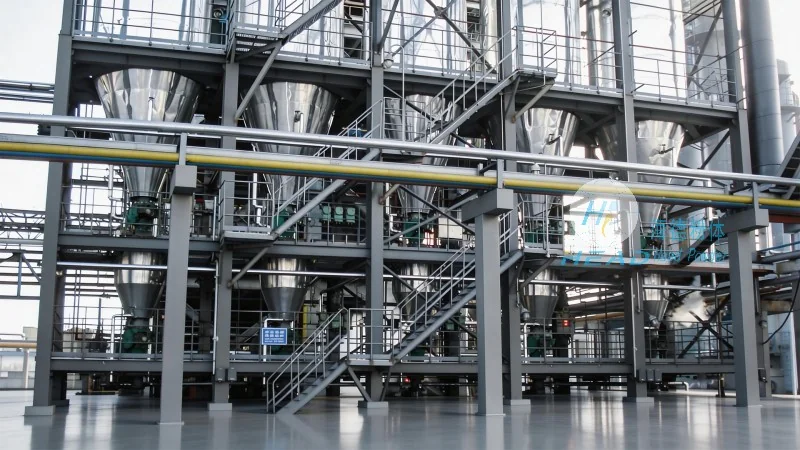
Understanding Soybean Conveying Systems
Soybean conveying systems are designed to move soybeans from one location to another within processing facilities, storage areas, or between different stages of production. The choice of conveying method depends on factors such as the volume of material, the distance to be covered, the need for product protection, and the overall operational requirements of the facility. Effective conveying not only enhances productivity but also minimizes the risk of contamination and damage to the soybeans.
Common Conveying Methods for Soybeans
Several methods are widely used in the soybean industry, including mechanical conveyors, belt conveyors, and pneumatic systems. Each method has specific characteristics that make it suitable for different scenarios. Mechanical conveyors, such as screw conveyors and bucket elevators, are often used for short-distance transport and vertical lifting. Belt conveyors are ideal for moving larger quantities of soybeans over longer horizontal distances. However, for applications requiring high efficiency, minimal product degradation, and the ability to handle fine or dusty materials, pneumatic conveying stands out as a superior option.
The Advantages of Pneumatic Conveying for Soybeans
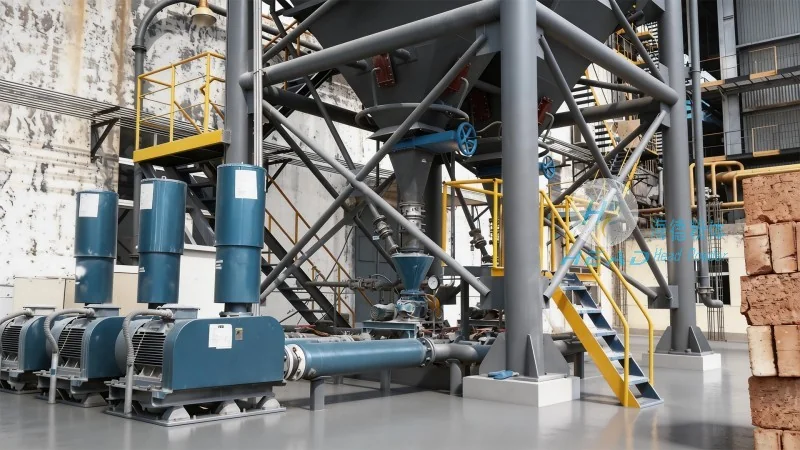
Pneumatic conveying, also known as air conveying, utilizes a pressurized or vacuum system to transport soybeans through a pipeline. This method offers several key advantages over traditional mechanical conveyors. First, it provides excellent product protection by minimizing physical contact and reducing the risk of breakage or contamination. Second, pneumatic systems can handle a wide range of soybean types, including whole beans, flakes, and powders, making them versatile for various processing stages. Third, they are highly efficient in terms of energy consumption and can cover long distances with minimal maintenance. The ability to control the flow rate and direction of the material also enhances operational flexibility.
Components of a Soybean Pneumatic Conveying System
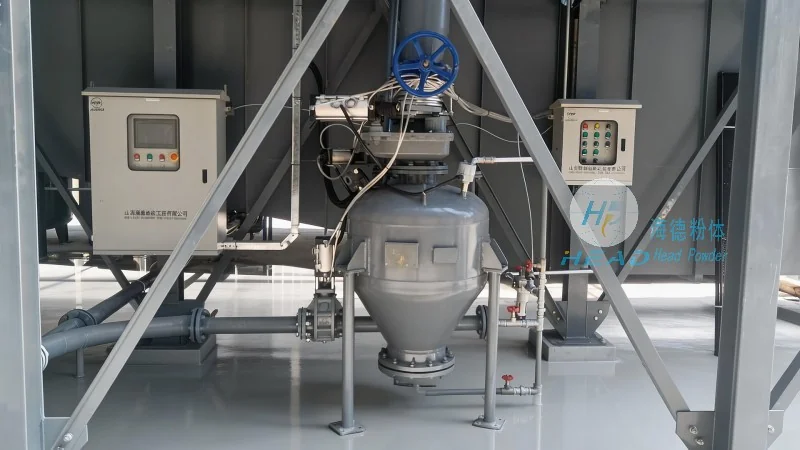
A typical soybean pneumatic conveying system consists of several key components. These include a material feed hopper, a conveyor line (often made of stainless steel to prevent corrosion), a blower or vacuum pump to generate the air flow, and various control valves and filters. The feed hopper ensures a consistent flow of soybeans into the system, while the conveyor line transports the material through the pipeline. The blower provides the necessary pressure or vacuum to move the material, and control valves allow for adjustments to the flow rate. Filters are essential to maintain air quality and prevent dust accumulation in the system.
Applications of Soybean Pneumatic Conveying
Soybean pneumatic conveying is widely used in various stages of soybean processing. It is commonly employed in the initial receiving and storage of soybeans, where the material is moved from storage silos to processing lines. It is also used in the extraction of soybean oil, where the extracted material needs to be conveyed to storage tanks. Additionally, pneumatic systems are utilized in the production of soybean meal and protein products, where the material is transported between grinding, drying, and packaging stages. The versatility of pneumatic conveying makes it suitable for both large-scale industrial operations and smaller processing facilities.
Choosing the Right Conveying System for Your Soybean Operation
When selecting a soybean conveying system, it is important to consider the specific needs of your operation. Factors such as the volume of soybeans to be handled, the distance between processing stages, the required level of product protection, and the available space in the facility should all be taken into account. For many soybean processing facilities, pneumatic conveying offers a superior solution due to its efficiency, flexibility, and ability to handle a wide range of soybean products. Companies like Shandong HeadPowder Engineering Co., Ltd., commonly known as headpowder, specialize in designing and manufacturing custom pneumatic conveying systems tailored to the unique requirements of soybean operations. Their expertise in material handling and conveying technology ensures that facilities can achieve optimal performance and maintain high product quality.
Conclusion
In conclusion, the choice of soybean conveying method plays a critical role in the efficiency and effectiveness of soybean processing operations. While mechanical and belt conveyors have their place, pneumatic conveying offers significant advantages in terms of product protection, efficiency, and versatility. By understanding the components and applications of pneumatic conveying systems, soybean processing facilities can make informed decisions to enhance their operations. With the expertise of companies like Shandong HeadPowder Engineering Co., Ltd., facilities can implement effective conveying solutions that meet their specific needs and contribute to overall operational success.

 Shandong Headpowder Engineering Co., Ltd.
 156-6277-7102(Quản lý Trương)
  0531-83386006
  Thành phố Tế Nam, Tỉnh Sơn Đông, Trung Quốc
Điện thoại
WeChatTư vấn
Lên đầu