Với hơn 10 năm kinh nghiệm về vận chuyển khí nén, Headpowder Sơn Đông cung cấp hệ thống, thiết bị và quạt gió toàn chuỗi, đảm nhận các dự án kỹ thuật bột trọn gói trên toàn quốc.
Efficient grain handling is a critical aspect of modern agricultural operations, particularly for paddy grain, which requires specialized equipment to ensure minimal damage and optimal processing. Among the various methods used for transporting paddy grains, several approaches have emerged as standard practices in the industry. This article provides a detailed comparison of common paddy grain conveying methods, highlighting their advantages, limitations, and suitability for different operational contexts.
Gravity Conveying Systems
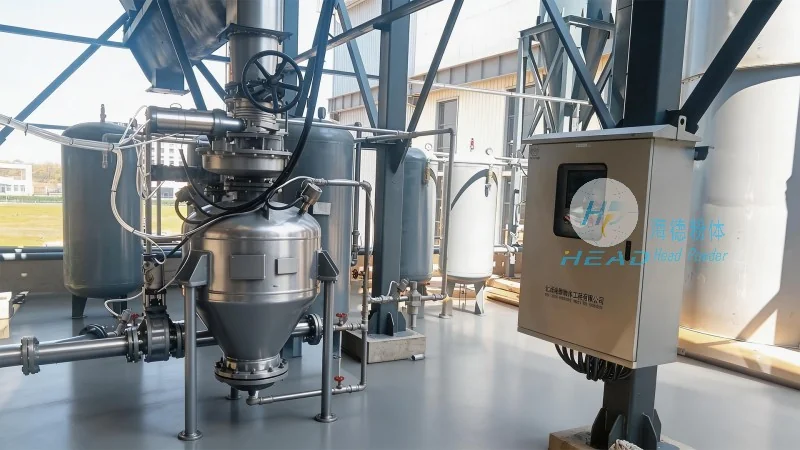
Gravity conveying systems utilize the natural force of gravity to move paddy grains from one elevation to another. These systems typically consist of sloped chutes or troughs that allow the grain to flow downward under the influence of gravity. The primary advantage of gravity conveyors is their low operational cost and simplicity, as they require minimal power input and have fewer moving parts compared to mechanical systems. However, their effectiveness is highly dependent on the difference in elevation between the source and destination points. In flat or low-gradient environments, gravity conveyors may not be sufficient to achieve the desired throughput, and additional mechanical assistance may be required.
Pneumatic Conveying Systems
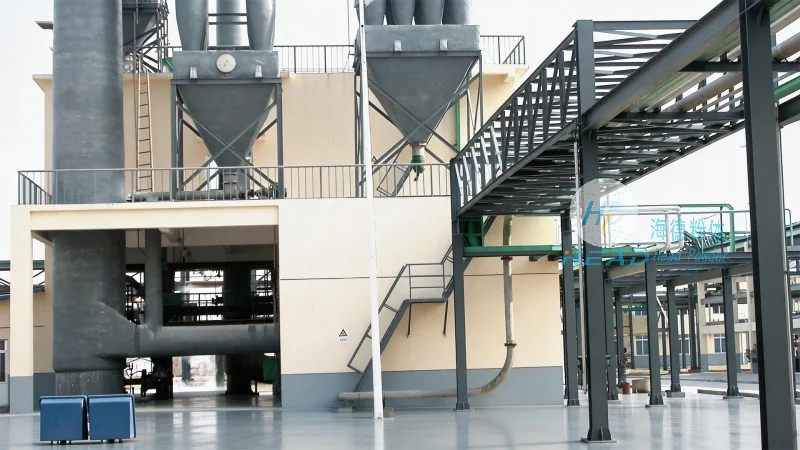
Pneumatic conveying systems employ air pressure to transport paddy grains through a network of pipes. These systems can be categorized into two main types: pressure and vacuum. Pressure systems use compressed air to push the grain forward, while vacuum systems use a vacuum to draw the grain into the pipe. Pneumatic conveyors offer high flexibility, as they can transport grain over long distances and even change direction without the need for additional equipment. They are also capable of handling a wide range of grain sizes and can be integrated with other processing equipment. However, pneumatic systems require significant energy input to maintain air pressure, and they may cause more grain damage due to the high velocity of air and grain particles.
Mechanical Conveying Systems
Mechanical conveying systems rely on mechanical components to move paddy grains. The most common types include belt conveyors, screw conveyors, and bucket elevators. Belt conveyors use a continuous belt to transport grain horizontally or at a slight incline, making them suitable for long-distance horizontal transport. Screw conveyors, also known as augers, use a rotating screw to push grain forward, and they are ideal for vertical or inclined transport. Bucket elevators use a series of buckets attached to a chain or belt to lift grain vertically, which is particularly useful for elevating grain from storage bins to processing facilities. Mechanical systems offer high reliability and consistent performance, with lower energy consumption compared to pneumatic systems. However, they may require more maintenance and are less flexible in terms of layout changes compared to pneumatic systems.
Selection Considerations for Paddy Grain Conveying
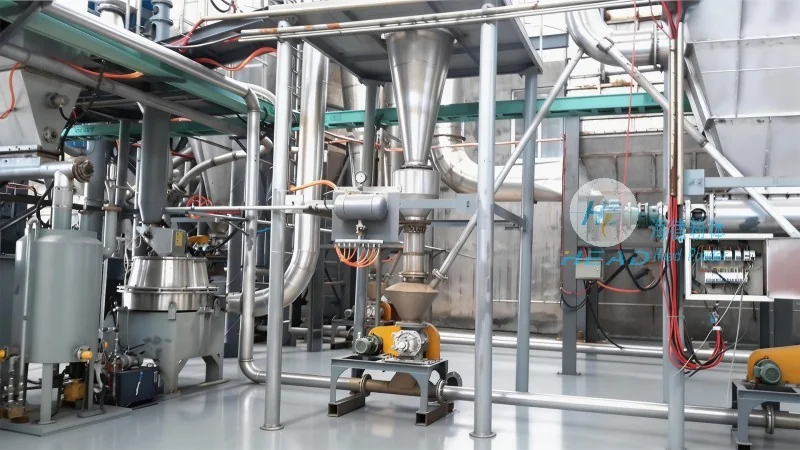
The choice of a paddy grain conveying method depends on several factors, including the operational scale, the distance between the source and destination, the gradient of the terrain, and the budget constraints. For small-scale operations or short-distance transport, gravity conveyors may be sufficient and cost-effective. For medium to large-scale operations requiring long-distance or complex layouts, pneumatic or mechanical systems may be more appropriate. The type of grain and its moisture content also play a role, as some systems may be more suitable for handling delicate or high-moisture paddy grains without causing excessive damage.
Conclusion
Each paddy grain conveying method has its own set of advantages and limitations, and the optimal choice depends on the specific requirements of the operation. By understanding the characteristics of each system, agricultural producers and processing facilities can select the most suitable conveying method to ensure efficient, cost-effective, and damage-minimizing grain handling. Shandong HeadPowder Engineering Co., Ltd., a leading provider of grain handling solutions, offers a range of conveying equipment tailored to meet the diverse needs of the paddy grain industry.

 Shandong Headpowder Engineering Co., Ltd.
 156-6277-7102(Quản lý Trương)
  0531-83386006
  Thành phố Tế Nam, Tỉnh Sơn Đông, Trung Quốc
Điện thoại
WeChatTư vấn
Lên đầu