Với hơn 10 năm kinh nghiệm về vận chuyển khí nén, Headpowder Sơn Đông cung cấp hệ thống, thiết bị và quạt gió toàn chuỗi, đảm nhận các dự án kỹ thuật bột trọn gói trên toàn quốc.
Silica sand, a vital raw material in industries such as glass production, foundry, and construction, demands efficient and reliable transportation to support smooth production workflows. The selection of a conveying method directly impacts operational efficiency, material integrity, and overall cost-effectiveness. This article examines common silica sand conveying approaches, with a particular emphasis on pneumatic conveying, a widely adopted and effective technique for handling this abrasive and fine-grained material.
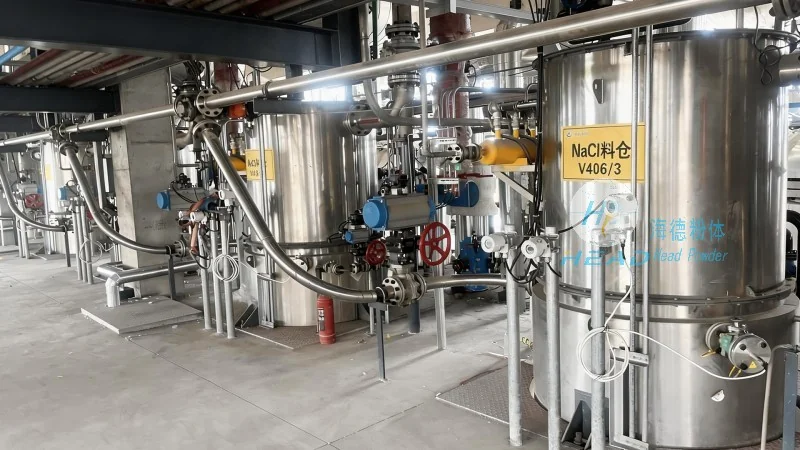
Common Conveying Methods for Silica Sand
Multiple methods are utilized to transport silica sand from one location to another, each with distinct advantages and limitations. The primary categories include gravity-based systems, mechanical systems, and pneumatic systems. Gravity conveyors rely on the material's natural slope to move it downward, suitable for short distances and gentle inclines. Mechanical conveyors, like belt and screw conveyors, employ mechanical components to transport the sand, offering greater control and capacity. However, these systems may encounter challenges with abrasive materials like silica sand, leading to increased wear and maintenance expenses.
Pneumatic Conveying: A Preferred Solution for Silica Sand
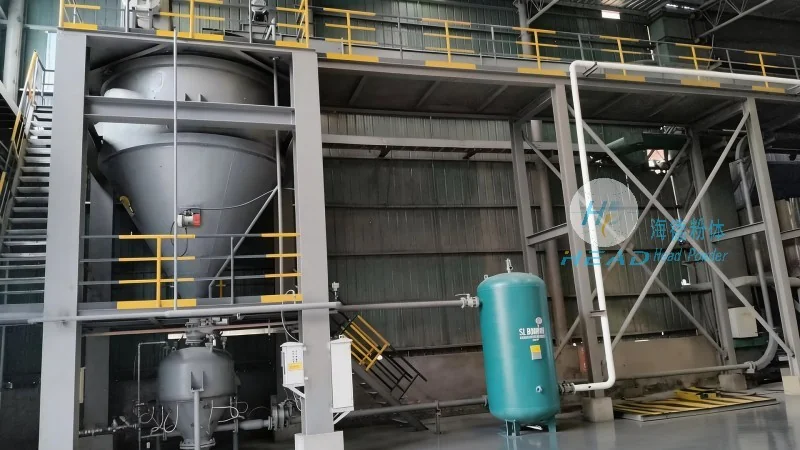
Pneumatic conveying, also known as air conveying, is widely recognized as an effective method for transporting silica sand due to its ability to handle fine, dry, and abrasive materials. This technology uses compressed air to move the sand through a pipeline, eliminating the need for mechanical components that can wear out quickly with silica sand. The system typically consists of a hopper, a blower, and a pipeline network, with optional components like cyclones for separation and collection. Pneumatic conveying offers several benefits, including high capacity, minimal material degradation, and the ability to transport materials over long distances without intermediate storage.
Key Features of Silica Sand Pneumatic Conveying Systems
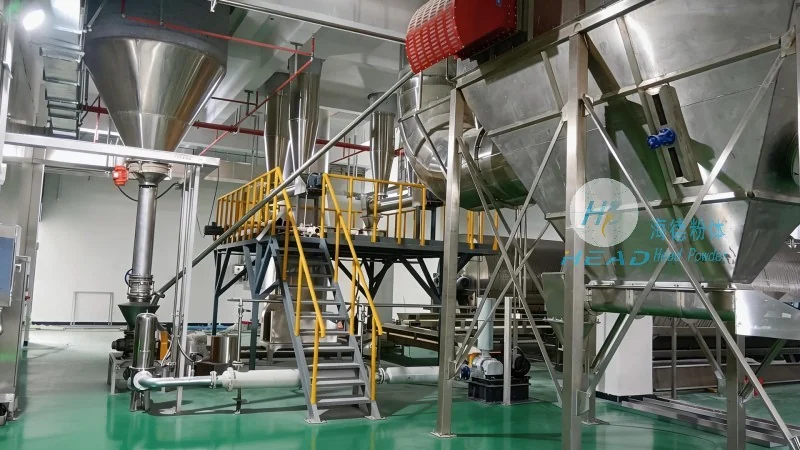
When selecting a pneumatic conveying system for silica sand, several key features must be considered to ensure optimal performance. The system design must account for the material's properties, such as particle size, moisture content, and abrasiveness. For silica sand, which is typically fine and abrasive, a positive displacement blower is often preferred over a centrifugal blower, as it provides consistent pressure and flow rates. The pipeline material, usually stainless steel or high-grade plastic, must be resistant to corrosion and wear caused by the sand. Additionally, the system should include features like air filtration and dust collection to maintain air quality and comply with environmental regulations.
Applications and Benefits in Industrial Settings
Silica sand pneumatic conveying systems are widely used in industrial applications where efficient material handling is critical. In glass manufacturing, for example, the system ensures a continuous supply of high-quality silica sand to the furnace, reducing downtime and improving product consistency. In foundry operations, pneumatic conveying helps transport sand for mold making, enhancing the precision and speed of the casting process. The benefits of this method extend beyond material handling, as it also reduces labor costs by automating the transportation process and minimizes the risk of material contamination.

 Shandong Headpowder Engineering Co., Ltd.
 156-6277-7102(Quản lý Trương)
  0531-83386006
  Thành phố Tế Nam, Tỉnh Sơn Đông, Trung Quốc
Điện thoại
WeChatTư vấn
Lên đầu