Với hơn 10 năm kinh nghiệm về vận chuyển khí nén, Headpowder Sơn Đông cung cấp hệ thống, thiết bị và quạt gió toàn chuỗi, đảm nhận các dự án kỹ thuật bột trọn gói trên toàn quốc.
Feather conveying is a critical process in various industrial applications, particularly in the processing of poultry products and related materials. The efficient transfer of feathers from one location to another is essential for maintaining productivity and ensuring the quality of downstream operations. Understanding the different methods of feather conveying is vital for businesses looking to optimize their material handling systems. In this article, we will explore the primary types of feather conveying methods, detailing their characteristics, advantages, and typical applications.
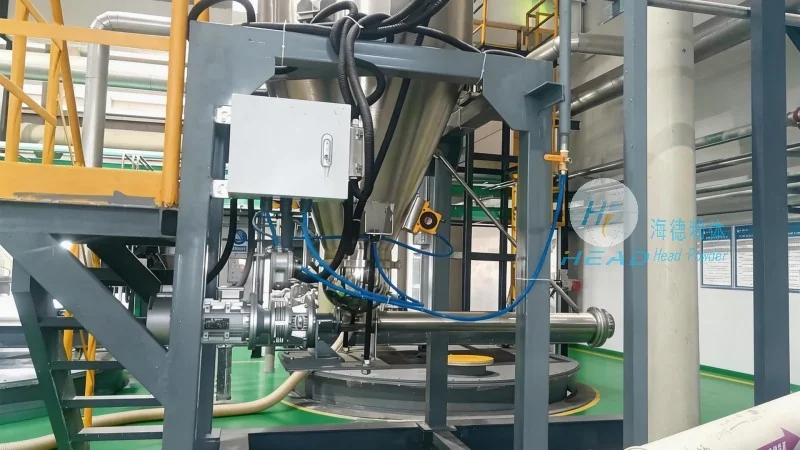
Types of Feather Conveying Methods
There are several established methods for conveying feathers, each with its own set of advantages and limitations. The choice of method often depends on factors such as the volume of material to be handled, the distance over which it needs to be transported, and the specific requirements of the processing facility. The most common feather conveying methods include mechanical conveyors, pneumatic (air) conveyors, and hydraulic systems. Each of these methods operates on different principles and is suited to different operational scenarios.
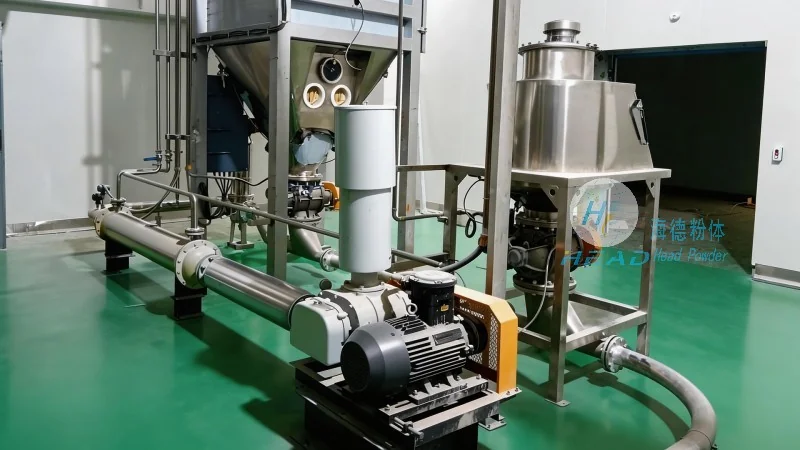
Mechanical Conveyors for Feather Handling
Mechanical conveyors are among the most traditional and widely used methods for transporting feathers. These systems utilize mechanical components, such as belts, chains, or screws, to move the material. One of the most common types is the belt conveyor, which consists of a continuous belt that moves over rollers or pulleys. The belt is typically made of durable materials like rubber or plastic, designed to withstand the abrasion and weight of feathers. Mechanical conveyors are particularly effective for transporting large volumes of feathers over relatively short distances, such as within a processing plant or between different sections of a facility. They offer high reliability and low maintenance costs, making them a popular choice for many businesses. For instance, in a poultry processing plant, a belt conveyor might be used to move feathers from the plucking station to the cleaning and sorting area. The smooth operation of these conveyors ensures that feathers are transferred without damage, preserving their quality for further processing. The mechanical design also allows for easy integration with other equipment, such as hoppers and storage bins, facilitating a seamless material flow.
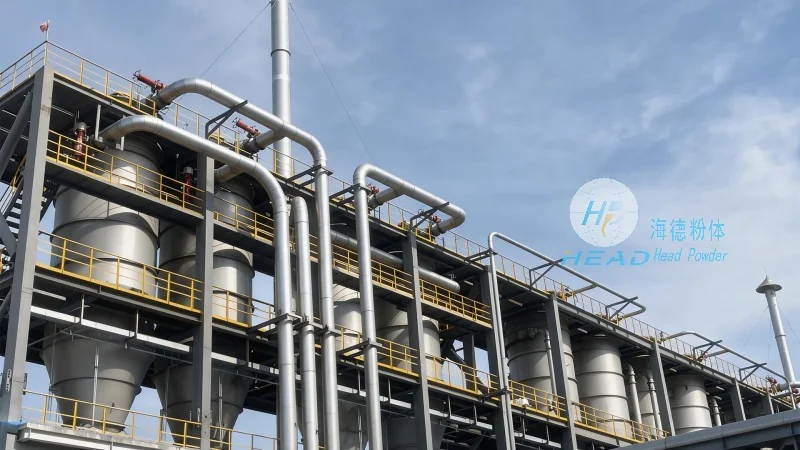
Pneumatic (Air) Conveying Systems
Pneumatic conveying, also known as air conveying, is another popular method for handling feathers. This technique involves using air pressure to move the material through a system of pipes or ducts. The feathers are typically fed into a hopper, where they are then drawn into the conveyor line by a fan or blower. The air flow carries the feathers through the system, depositing them at the desired location. Pneumatic systems are highly effective for transporting feathers over longer distances and in environments where mechanical conveyors might be impractical, such as in dusty or wet conditions. They are also suitable for applications requiring a high degree of cleanliness, as the enclosed system prevents contamination from external sources. The flexibility of pneumatic conveying allows for the integration of multiple transfer points, enabling the material to be routed to various destinations within the facility. This adaptability makes it an ideal choice for complex processing operations where feathers need to be directed to different processing stages or storage areas. However, pneumatic systems may require more energy to operate compared to mechanical conveyors, and they can be more expensive to install and maintain. Additionally, the design must consider the potential for material buildup or blockages in the ductwork, which can impact efficiency and require regular maintenance.
Hydraulic Conveying Systems
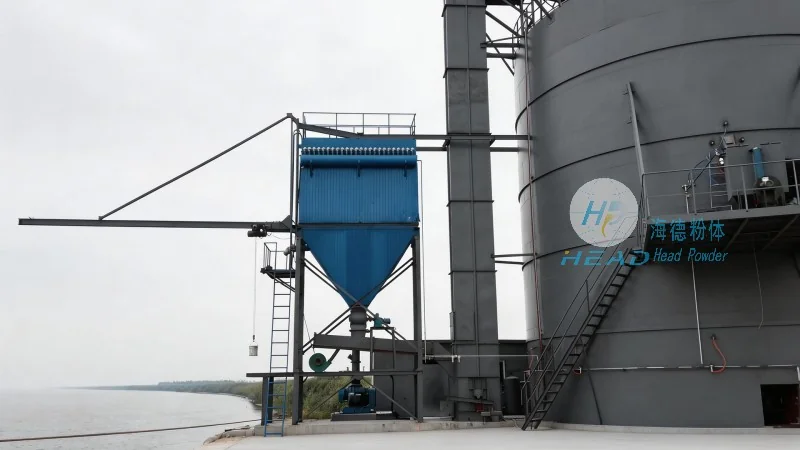
Hydraulic conveying systems use fluid pressure to move feathers through a pipeline. This method is less common for feather handling compared to mechanical and pneumatic systems but is still utilized in certain applications. The feathers are suspended in a liquid, such as water or a specialized conveying fluid, and are then transported through the pipeline by the pressure of the fluid. Hydraulic systems are particularly effective for handling feathers that are wet or have a high moisture content, as the fluid helps to prevent clogging and maintain a consistent flow. They are also suitable for transporting feathers over long distances with minimal energy consumption. However, hydraulic systems require careful maintenance to prevent leaks and ensure the fluid remains clean, as contaminants can affect the system's performance. The initial setup costs for hydraulic conveying can be higher due to the need for specialized equipment and fluid management systems. Despite these considerations, hydraulic conveying offers a reliable alternative for specific operational needs, particularly in facilities where other methods may not be feasible.

 Shandong Headpowder Engineering Co., Ltd.
 156-6277-7102(Quản lý Trương)
  0531-83386006
  Thành phố Tế Nam, Tỉnh Sơn Đông, Trung Quốc
Điện thoại
WeChatTư vấn
Lên đầu