Với hơn 10 năm kinh nghiệm về vận chuyển khí nén, Headpowder Sơn Đông cung cấp hệ thống, thiết bị và quạt gió toàn chuỗi, đảm nhận các dự án kỹ thuật bột trọn gói trên toàn quốc.
Malt, a fundamental ingredient in the brewing industry, requires efficient and reliable handling and transportation to maintain quality and consistency. The selection of a malt handling system is critical to the overall efficiency of the brewing process, as it directly impacts grain integrity, moisture control, and operational costs. In this article, we explore the various methods used for malt handling and transportation, providing insights into how these systems function and their applications in modern breweries. Companies like Shandong HeadPowder Engineering Co., Ltd., a leading manufacturer of malt processing equipment, specialize in designing tailored solutions to meet the diverse needs of breweries worldwide.
Introduction to Malt Handling and Transportation
Malt handling encompasses the movement of malt from storage silos to the mashing or brewing stage. Proper handling is essential to prevent grain damage, preserve moisture levels, and avoid contamination. The transportation method chosen influences not only the efficiency of the process but also the cost-effectiveness and scalability of the operation. For breweries of all sizes, selecting the right malt handling system is a key decision that impacts product quality and operational performance.
Types of Malt Handling and Transportation Methods
Several methods are commonly used for handling and transporting malt, each with distinct advantages and applications. The primary categories include gravity flow systems, mechanical conveyors, and pneumatic (air) conveying systems.
1. Gravity Flow Systems
Gravity flow systems utilize the force of gravity to move malt from one point to another. These systems typically consist of sloped chutes or troughs that allow the malt to slide downward. The design is straightforward and cost-effective, making them suitable for short distances and smaller-scale operations. The smooth, inclined surfaces minimize grain breakage and maintain moisture content. However, gravity flow systems require a suitable elevation change and are limited in their ability to handle large volumes or long distances efficiently.
2. Mechanical Conveyors
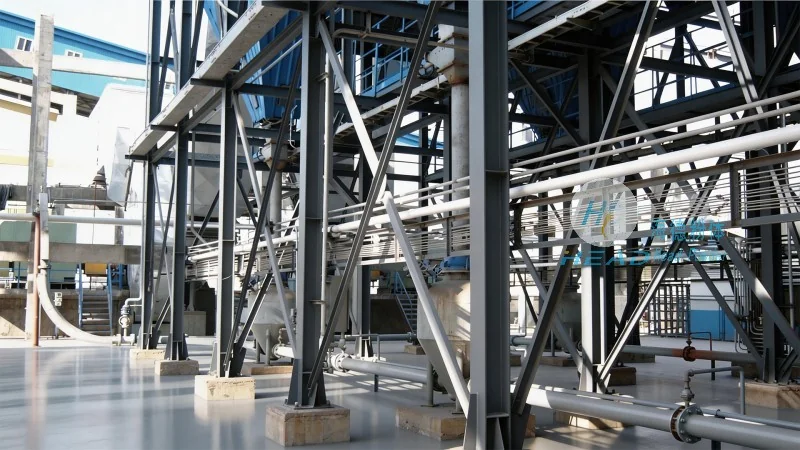
Mechanical conveyors are widely adopted due to their versatility and capacity to transport malt over longer distances and at higher volumes. Common types include belt conveyors, screw conveyors (augers), and bucket elevators.
2.1 Belt Conveyors
Belt conveyors use a continuous belt moving over rollers or idlers to transport malt. This method is ideal for bulk handling and moderate distances. The belt can be customized with materials to accommodate different malt characteristics, such as moisture or grain size. Belt conveyors are often used to move malt from storage silos to conditioning or milling areas. Their smooth operation reduces grain damage and ensures consistent flow.
2.2 Screw Conveyors (Augers)
Screw conveyors consist of a rotating screw inside a tube or trough, pushing malt forward. They are effective for dry or moderately moist malt and can be integrated with mixers or feeders. These systems are compact and easy to install but may cause more grain damage due to friction between the screw and grains.
2.3 Bucket Elevators
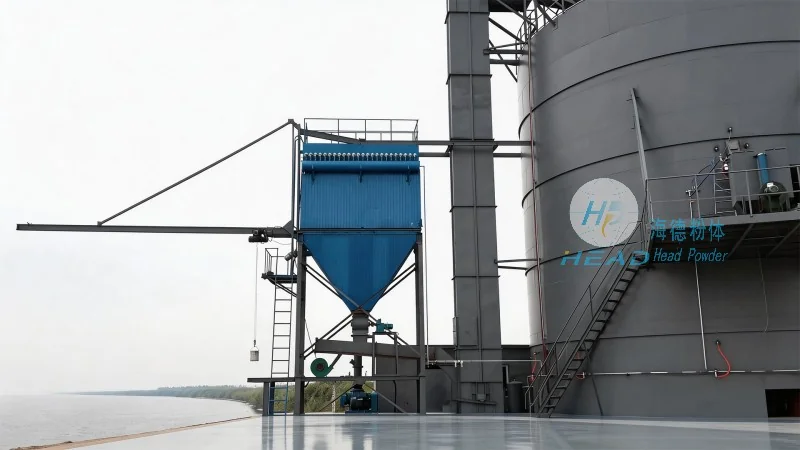
Bucket elevators use buckets attached to a chain or belt to lift and transport malt vertically. They are highly efficient for vertical movement over significant heights and large volumes. Commonly used to move malt from lower storage levels to higher processing areas (e.g., mashing tanks), these systems minimize spillage and maintain consistent flow rates.
3. Pneumatic (Air) Conveying Systems
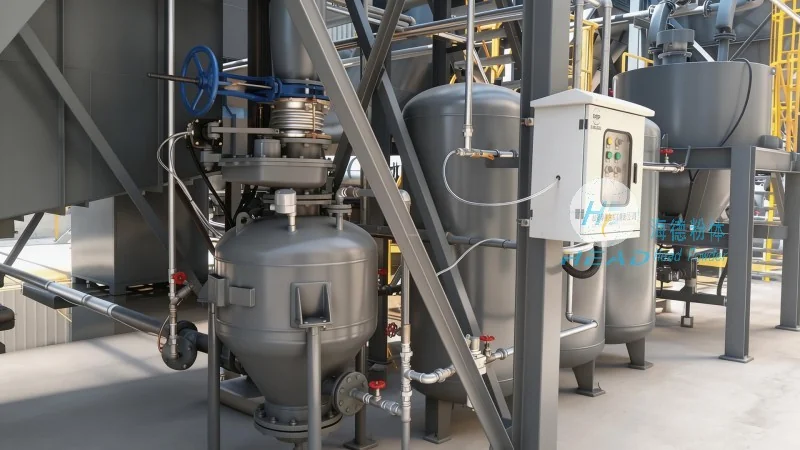
Pneumatic conveying systems use air pressure to transport malt through pipes. This method is particularly effective for fine or powdery malt fractions, such as malt flour or extract. The system includes a blower or compressor generating air flow to carry malt particles. Advantages include long-distance transport, flexibility to move malt between facility areas, and compatibility with dry or moist malt. However, pneumatic systems require careful design to prevent air leaks and may have higher installation and operational costs.
Factors Influencing System Selection
The choice of malt handling system depends on multiple factors, including the type of malt, volume to be transported, distance between storage and processing areas, and budget constraints. For example, a small craft brewery might use a gravity flow system or a simple belt conveyor, while a large industrial brewery may require a combination of mechanical and pneumatic systems to handle high volumes efficiently. The system’s impact on grain damage, energy consumption, and maintenance costs also plays a key role in decision-making.
Conclusion
In summary, the selection of a malt handling and transportation method is critical to the efficiency and quality of the brewing process. Each system has unique benefits and limitations, and the optimal choice depends on the brewery’s specific requirements. Companies like Shandong HeadPowder Engineering Co., Ltd. provide comprehensive solutions, including design, manufacturing, and installation of advanced malt handling systems tailored to global breweries. By selecting the right system, breweries can ensure consistent product quality, reduce operational costs, and enhance overall productivity.

 Shandong Headpowder Engineering Co., Ltd.
 156-6277-7102(Quản lý Trương)
  0531-83386006
  Thành phố Tế Nam, Tỉnh Sơn Đông, Trung Quốc
Điện thoại
WeChatTư vấn
Lên đầu