Với hơn 10 năm kinh nghiệm về vận chuyển khí nén, Headpowder Sơn Đông cung cấp hệ thống, thiết bị và quạt gió toàn chuỗi, đảm nhận các dự án kỹ thuật bột trọn gói trên toàn quốc.
When processing rice, efficient and reliable grain conveying is crucial for maintaining product quality and operational efficiency. Different conveying methods are employed based on the specific requirements of the rice processing facility, such as grain type, processing scale, and environmental conditions. This article provides a detailed comparison of common rice grain conveying methods, highlighting their working principles, advantages, disadvantages, and typical applications.
1. Gravity Conveying Systems
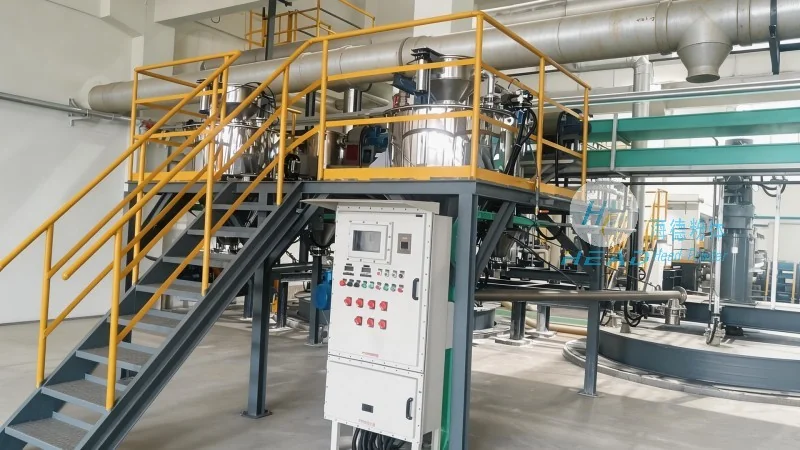
Gravity conveying systems utilize the natural weight of rice grains to move them from one elevation to another. These systems typically consist of inclined chutes or troughs that allow rice to flow under the influence of gravity. The design of gravity conveyors is relatively simple, often featuring smooth, sloped surfaces to minimize friction and ensure smooth flow. They are commonly used in rice processing plants for short-distance horizontal or slight incline transfers, such as moving rice from a storage hopper to a processing machine or a storage bin.
The primary advantages of gravity conveying systems include low energy consumption, as they rely on gravity rather than mechanical power, and minimal maintenance requirements. However, their effectiveness is limited by the need for a suitable slope and the absence of obstacles that could impede the flow. Additionally, gravity conveyors are not suitable for vertical or steep incline applications, as the rice may not have sufficient momentum to overcome friction and gravity resistance.
2. Screw Conveyors (Auger Conveyors)
Screw conveyors, also known as auger conveyors, are mechanical devices that use a rotating screw to move rice grains through a tube or trough. The screw, often called an auger, is typically made of metal or plastic and is enclosed within a cylindrical housing. As the screw rotates, it pushes the rice forward, allowing for both horizontal and vertical transport. Screw conveyors are versatile and can handle a wide range of grain sizes and moisture contents, making them suitable for various rice processing operations, including feeding, mixing, and transporting.
One of the key advantages of screw conveyors is their ability to handle both dry and slightly moist rice without causing excessive breakage or segregation. They are also relatively compact and can be installed in confined spaces, which is beneficial for facilities with limited floor space. However, screw conveyors may experience higher friction and wear compared to other systems, especially when handling abrasive rice grains. Additionally, they may not be ideal for transporting large quantities of rice over long distances due to potential energy consumption and maintenance issues.
3. Pneumatic Conveying Systems
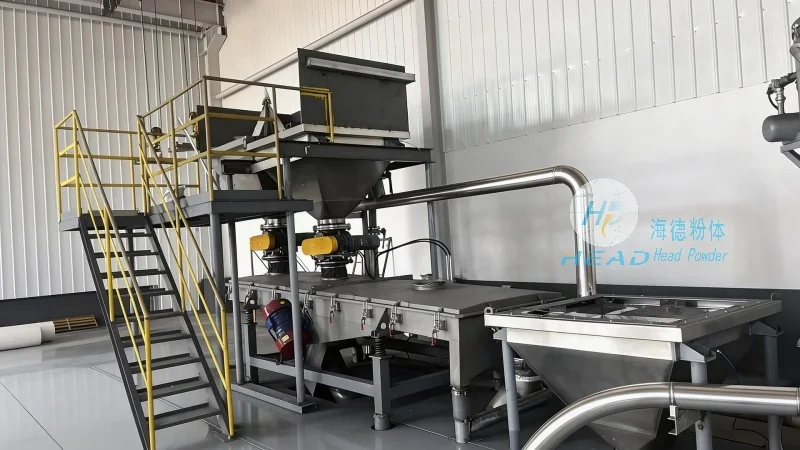
Pneumatic conveying systems use air or gas to transport rice grains through a pipeline. These systems can be categorized into two main types: pressure and vacuum systems. In pressure systems, air is blown into a sealed pipe, pushing the rice forward. In vacuum systems, a vacuum is created at the receiving end, drawing the rice into the pipe. Pneumatic conveyors are highly effective for long-distance and vertical transport, as they can move rice over several hundred meters or even vertically, depending on the system design.
The primary advantages of pneumatic conveying systems include high capacity, the ability to transport rice in a closed system to prevent contamination or dust, and flexibility in routing. They are particularly suitable for applications where dust control is critical, such as in food processing facilities. However, pneumatic systems require significant energy input to generate the necessary air pressure or vacuum, leading to higher operational costs. Additionally, they may cause some grain breakage and are not suitable for very fine or fragile rice varieties.
4. Belt Conveyors
Belt conveyors are another common method for rice grain transport, utilizing a continuous belt that moves over rollers or pulleys to carry the rice. The belt is typically made of rubber or synthetic materials and is supported by a series of rollers to ensure smooth movement. Belt conveyors are widely used in rice processing plants for both horizontal and slight incline transport, such as moving rice from a storage silo to a processing line or for packaging operations.
One of the main advantages of belt conveyors is their high capacity and ability to handle large volumes of rice efficiently. They are also relatively simple to install and maintain, with minimal moving parts compared to other mechanical systems. However, belt conveyors may be more susceptible to damage from abrasive rice grains or foreign objects, which can lead to increased maintenance costs. Additionally, they require regular cleaning and inspection to prevent belt wear and ensure proper operation.
5. Comparison and Selection Criteria
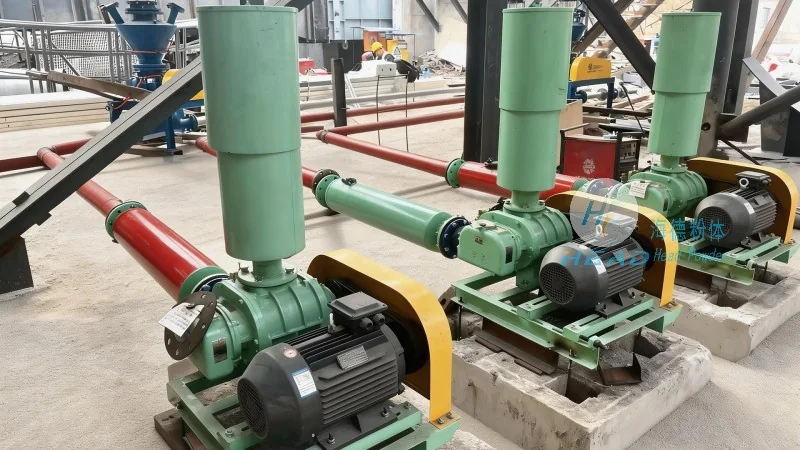
When selecting a rice grain conveying method, several factors must be considered to ensure optimal performance and cost-effectiveness. The key selection criteria include the distance and elevation change required for transport, the volume of rice to be handled, the grain characteristics (such as size, moisture content, and fragility), and the available space and budget. Gravity systems are ideal for short-distance, low-volume applications with minimal elevation changes. Screw conveyors are suitable for moderate volumes and can handle various grain types, while pneumatic systems excel in long-distance or vertical transport but at a higher energy cost. Belt conveyors offer high capacity and are suitable for horizontal transport but may require more maintenance.
For rice processing facilities, it is often beneficial to consider a combination of these conveying methods to address different operational needs. For example, a gravity conveyor might be used for short horizontal transport from a hopper to a screw conveyor, which then feeds a pneumatic system for long-distance transport to a storage area. This integrated approach can optimize the overall conveying process and improve efficiency.
6. HeadPowder's Expertise in Rice Grain Conveying Solutions
Shandong HeadPowder Engineering Co., Ltd., a leading provider of engineering solutions for the food processing industry, specializes in designing and manufacturing customized rice grain conveying systems tailored to the specific needs of rice processing plants. With years of experience in the industry, HeadPowder understands the unique challenges of rice handling, such as preventing grain breakage, controlling moisture, and maintaining product quality during transport.
HeadPowder's team of engineers works closely with clients to assess their operational requirements, including processing scale, grain characteristics, and space constraints, to develop optimal conveying solutions. The company offers a range of conveying equipment, including gravity chutes, screw conveyors, pneumatic systems, and belt conveyors, as well as integrated systems that combine multiple technologies to enhance efficiency and reliability. By leveraging advanced engineering and material science, HeadPowder ensures that its conveying solutions are durable, efficient, and compliant with industry standards.
HeadPowder's commitment to quality and customer satisfaction is reflected in its comprehensive after-sales support, including installation, maintenance, and technical assistance. The company's solutions are designed to meet the specific demands of rice processing facilities, helping clients improve operational efficiency, reduce costs, and maintain product quality throughout the conveying process. Whether a facility requires a simple gravity system or a complex integrated pneumatic and screw conveyor setup, HeadPowder provides tailored solutions that address the unique challenges of rice grain transport.

 Shandong Headpowder Engineering Co., Ltd.
 156-6277-7102(Quản lý Trương)
  0531-83386006
  Thành phố Tế Nam, Tỉnh Sơn Đông, Trung Quốc
Điện thoại
WeChatTư vấn
Lên đầu