Với hơn 10 năm kinh nghiệm về vận chuyển khí nén, Headpowder Sơn Đông cung cấp hệ thống, thiết bị và quạt gió toàn chuỗi, đảm nhận các dự án kỹ thuật bột trọn gói trên toàn quốc.
Perlite sand, a lightweight aggregate widely used in construction and industrial applications, demands efficient and reliable conveying methods to ensure smooth material handling. The choice of conveying system directly impacts operational efficiency, cost, and safety. This article provides a detailed comparison of common perlite sand conveying methods, highlighting their advantages, limitations, and suitable applications. The information is presented by Shandong HeadPowder Engineering Co., Ltd., a leading provider of material handling solutions headquartered in China.
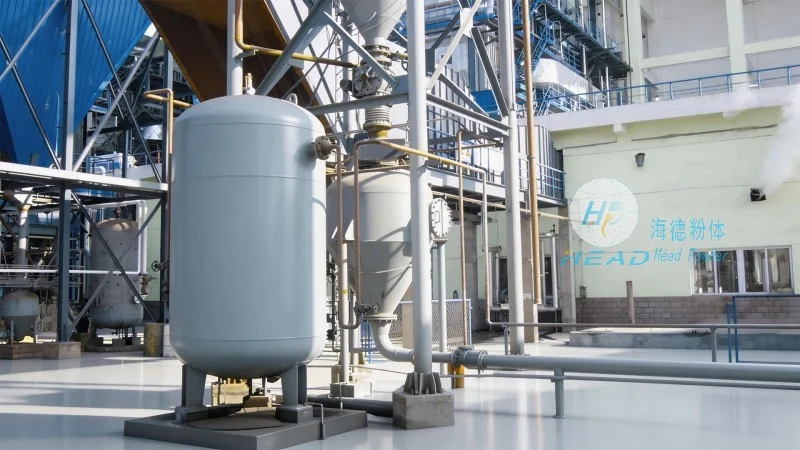
Gravity Conveying Systems
Gravity conveying, also known as inclined chutes or troughs, utilizes the natural force of gravity to move perlite sand from one elevation to another. This method is simple, low-cost, and requires minimal maintenance. It is ideal for short horizontal or vertical distances where the material can flow freely without excessive friction or blockage. The primary advantage of gravity conveying is its energy efficiency, as it eliminates the need for motors or other power sources. However, it is limited by the angle of repose of perlite sand, which can cause material to stick or pile up if the slope is too shallow. Shandong HeadPowder Engineering Co., Ltd. has implemented gravity chutes in various projects to transport perlite sand from storage silos to processing lines, demonstrating its effectiveness in low-traffic, low-speed applications.
Mechanical Conveying Systems
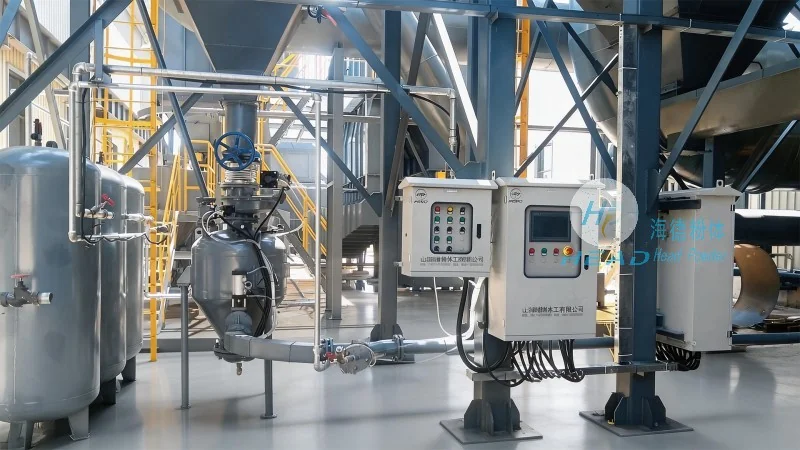
Mechanical conveying systems employ mechanical components such as belts, screws, or buckets to transport perlite sand. The most common types include belt conveyors, screw conveyors, and bucket elevators. Belt conveyors are versatile and can handle both horizontal and inclined transport, making them suitable for medium to long distances. They are capable of transporting large volumes of material at consistent speeds, and their modular design allows for easy integration with existing infrastructure. Screw conveyors, or augers, are ideal for vertical or inclined transport, especially in confined spaces. They are self-contained and can operate in tight areas where other systems may not fit. However, screw conveyors can cause excessive wear on the material due to friction, and they are less effective for very fine or abrasive perlite sand. Shandong HeadPowder Engineering Co., Ltd. has utilized belt conveyors in its production facilities to move perlite sand from raw material storage to mixing stations, while screw conveyors are used for vertical transport in smaller processing units.
Air Conveying Systems
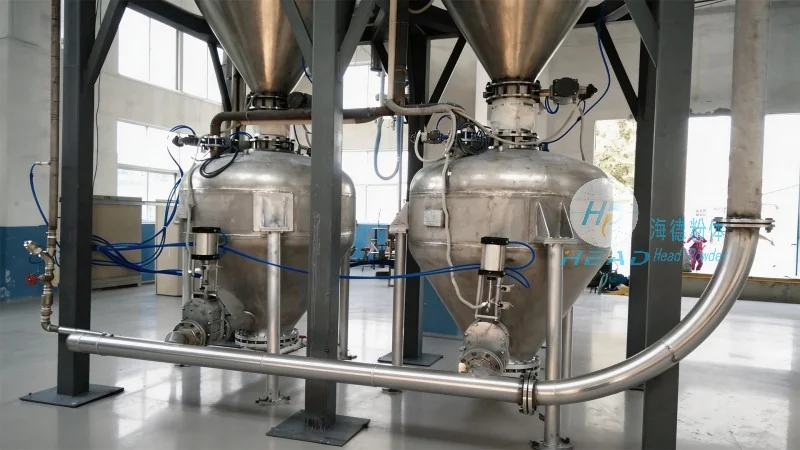
Air conveying, or pneumatic conveying, uses compressed air to transport perlite sand through a pipeline. This method is highly flexible and can handle both bulk and fine materials. It is particularly effective for long-distance, high-volume transport where mechanical systems may be impractical. Air conveyors can operate in a closed system, reducing dust emissions and improving safety. However, they require significant energy input for air compression and may be less efficient for short distances or low-volume applications. The choice of system (positive or negative pressure) depends on the distance and material characteristics. Positive pressure systems push material through the pipe, while negative pressure systems pull it. Shandong HeadPowder Engineering Co., Ltd. has implemented air conveying systems in its large-scale perlite processing plants to transport sand from multiple storage locations to the main processing line, achieving efficient and dust-free material transfer.
Combination Conveying Systems
In many industrial settings, a single conveying method may not meet all requirements. Combination systems, which integrate multiple technologies, offer a more comprehensive solution. For example, a system might use a gravity chute for initial transport, followed by a mechanical conveyor for vertical movement, and then an air conveyor for final delivery. This approach leverages the strengths of each method while mitigating their weaknesses. Combination systems are common in complex processing lines where material needs to be handled at different stages with varying speeds and distances. Shandong HeadPowder Engineering Co., Ltd. has designed and installed combination conveying systems for clients in the construction and industrial sectors, optimizing material flow and reducing operational costs.
Key Considerations for Choosing a Conveying Method
When selecting a perlite sand conveying method, several factors must be considered. The first is the distance and elevation change between the start and end points. Short distances may be suitable for gravity or mechanical systems, while long distances or complex routes may require air conveying. The second factor is the material characteristics, including particle size, density, and abrasiveness. Fine or abrasive perlite sand may cause wear on mechanical components, making air conveying a better option. The third consideration is the required capacity and speed of transport. High-volume applications may necessitate larger belt conveyors or air systems, while low-volume needs can be met with smaller screw or gravity systems. Finally, operational costs, including energy consumption, maintenance, and initial investment, play a crucial role in the decision-making process. Shandong HeadPowder Engineering Co., Ltd. emphasizes that a thorough analysis of these factors is essential to choose the most efficient and cost-effective conveying method for perlite sand applications.
Conclusion
Efficient perlite sand conveying is critical to the productivity and profitability of industrial operations. Gravity, mechanical, air, and combination systems each offer unique advantages and are suitable for different scenarios. By understanding the material characteristics, transport requirements, and operational constraints, industries can select the optimal conveying method. Shandong HeadPowder Engineering Co., Ltd. provides expert guidance and customized solutions to help clients choose and implement the best conveying system for their perlite sand handling needs, ensuring smooth and reliable material flow in their production processes.

 Shandong Headpowder Engineering Co., Ltd.
 156-6277-7102(Quản lý Trương)
  0531-83386006
  Thành phố Tế Nam, Tỉnh Sơn Đông, Trung Quốc
Điện thoại
WeChatTư vấn
Lên đầu