Với hơn 10 năm kinh nghiệm về vận chuyển khí nén, Headpowder Sơn Đông cung cấp hệ thống, thiết bị và quạt gió toàn chuỗi, đảm nhận các dự án kỹ thuật bột trọn gói trên toàn quốc.
Conveying coke pellets is a critical process in various industrial applications, particularly in the steel and metallurgical sectors. The efficiency and reliability of the conveying system directly impact production throughput and operational costs. There are several common methods used for transporting coke pellets, each with its own advantages and limitations. This article provides a detailed comparison of the most prevalent coke pellet conveying methods, helping industrial professionals make informed decisions based on their specific operational needs.
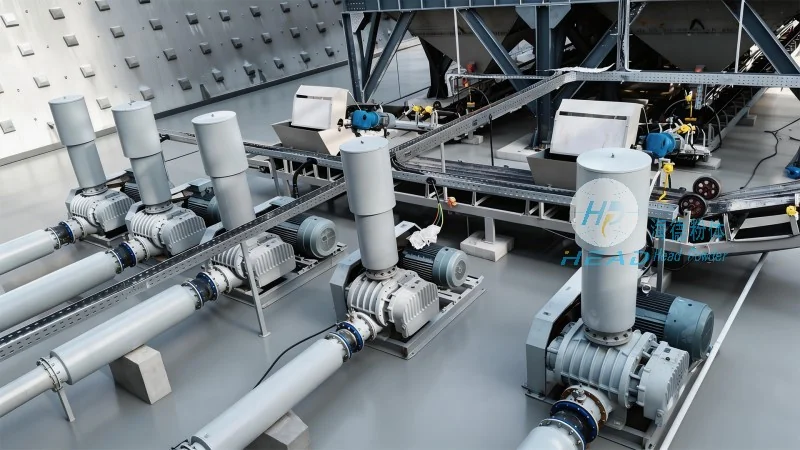
Overview of Key Conveying Methods
When selecting a coke pellet conveying system, factors such as material properties, distance, throughput capacity, and environmental considerations play a crucial role. The following sections compare three primary methods: pneumatic conveying, belt conveyors, and screw conveyors. Each method is evaluated based on its performance, suitability for coke pellets, and practical applications.
Pneumatic Conveying Systems
Pneumatic conveying uses air or other gases to transport coke pellets through a pipeline. This method is highly flexible and can handle both short and long distances. There are two main types: pressure and vacuum systems. Pressure systems are suitable for long-distance transport, while vacuum systems are ideal for short distances or when the material needs to be collected from multiple points. Pneumatic conveying is particularly effective for handling fine or dusty materials, as it minimizes dust generation and can transport materials over obstacles. However, it requires a significant amount of energy and may experience pressure drops over long distances, which can affect throughput. The system also needs regular maintenance to ensure the air filtration and pipeline integrity.
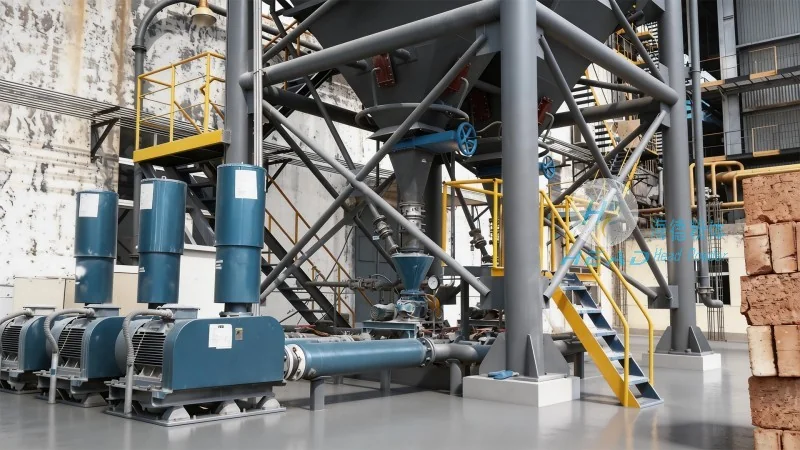
Belt Conveyors
Belt conveyors are a widely used method for transporting coke pellets due to their high capacity and reliability. These systems consist of a continuous belt that moves over rollers or pulleys, carrying the material from one point to another. Belt conveyors are suitable for both horizontal and inclined transport, making them versatile for various industrial settings. They can handle large volumes of coke pellets with minimal maintenance, and the design allows for easy integration with other equipment. However, belt conveyors require a relatively large footprint and may generate dust if the material is not properly sealed. Additionally, they are not suitable for vertical transport over long distances without significant structural support.
Screw Conveyors
Screw conveyors, also known as auger conveyors, use a rotating screw to move coke pellets along a trough. This method is ideal for short to medium distances and is commonly used in processing plants where the material needs to be transferred between equipment. Screw conveyors are compact and can be installed in tight spaces, making them suitable for confined areas. They are also effective for handling materials with varying moisture content and can be used in both horizontal and vertical orientations. However, screw conveyors have a lower capacity compared to belt conveyors and may experience wear and tear on the screw and trough due to the abrasive nature of coke pellets. Regular inspection and replacement of components are necessary to maintain optimal performance.
About Shandong HeadPowder Engineering Co., Ltd.
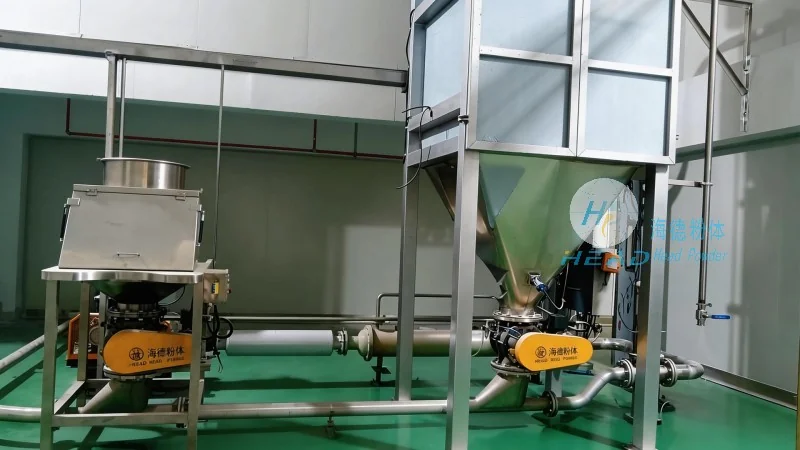
Shandong HeadPowder Engineering Co., Ltd., commonly known as HeadPowder, is a leading provider of industrial conveying solutions. With a strong presence in China, HeadPowder specializes in designing and manufacturing high-quality coke pellet conveying systems tailored to the needs of the steel and metallurgical industries. The company's expertise lies in combining advanced engineering with practical application, ensuring that each system meets the specific requirements of its clients. HeadPowder's commitment to quality and customer satisfaction has made it a trusted partner for businesses seeking reliable and efficient coke pellet transport solutions.
Choosing the Right Conveying Method
The choice of coke pellet conveying method depends on several factors, including the distance to be covered, the volume of material to be transported, and the operational environment. Pneumatic conveying is ideal for long-distance or high-volume transport where dust control is critical. Belt conveyors are preferred for large-scale operations with horizontal transport needs. Screw conveyors are suitable for short-distance or confined spaces where flexibility and compactness are essential. By evaluating these factors and considering the advantages and limitations of each method, industrial operators can select the most appropriate conveying system for their coke pellet handling requirements. HeadPowder offers comprehensive solutions and technical support to help clients make informed decisions and optimize their coke pellet conveying processes.

 Shandong Headpowder Engineering Co., Ltd.
 156-6277-7102(Quản lý Trương)
  0531-83386006
  Thành phố Tế Nam, Tỉnh Sơn Đông, Trung Quốc
Điện thoại
WeChatTư vấn
Lên đầu