Với hơn 10 năm kinh nghiệm về vận chuyển khí nén, Headpowder Sơn Đông cung cấp hệ thống, thiết bị và quạt gió toàn chuỗi, đảm nhận các dự án kỹ thuật bột trọn gói trên toàn quốc.
Wheat starch, a vital ingredient in numerous industrial sectors including food processing, pharmaceuticals, and cosmetics, demands efficient and reliable transportation systems to preserve its quality and facilitate smooth operational workflows. This article provides a detailed comparison of common wheat starch conveying methods, focusing on their technical attributes, advantages, and practical applications. The discussion is informed by insights from Shandong HeadPowder Engineering Co., Ltd., a leading provider of specialized conveying solutions in China.
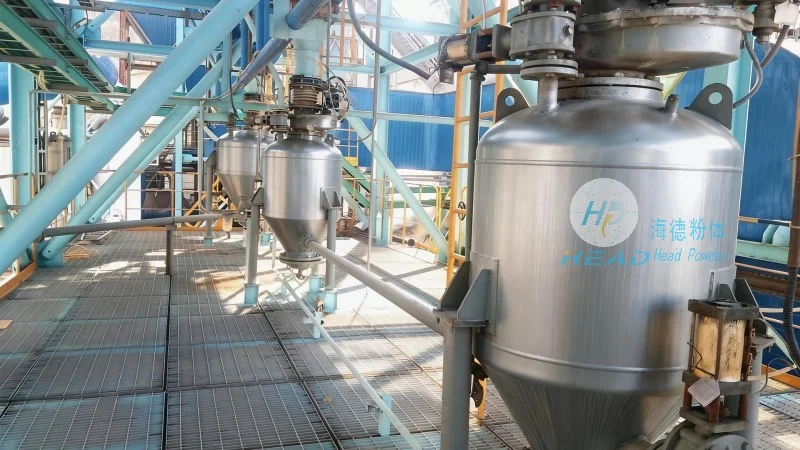
1. Gravity Conveying Systems
Gravity conveying leverages the natural force of gravity to move wheat starch from one elevation to another, typically utilizing inclined chutes or troughs. This method is characterized by low energy consumption and minimal maintenance requirements, making it an economical choice for short vertical or slight incline transport. However, it is limited by the need for a suitable slope and is unsuitable for vertical or horizontal distances that exceed the material's natural flow characteristics. Shandong HeadPowder Engineering Co., Ltd. may offer gravity conveyor systems tailored to specific site layouts and material flow requirements, ensuring optimal performance in applications where vertical or gentle incline movements are necessary.
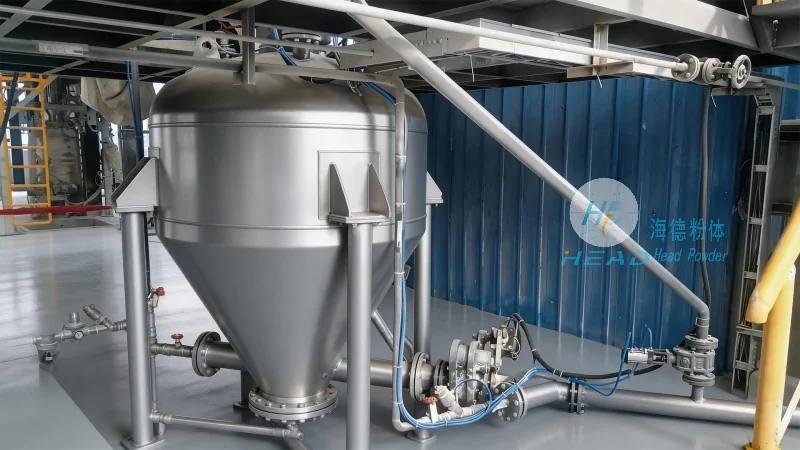
2. Mechanical Conveying Methods
Mechanical conveying systems employ mechanical components to transport wheat starch. Two prevalent types are belt conveyors and screw (auger) conveyors. Belt conveyors utilize a continuous belt to move material horizontally or at a slight incline, ideal for long-distance horizontal transport. Screw conveyors use a rotating screw to push material forward, suitable for both horizontal and vertical transport. These systems offer high capacity and consistent performance but require regular maintenance to prevent wear and tear. HeadPowder, as a key industry player, may provide customized mechanical conveying solutions that integrate advanced materials and design to enhance durability and efficiency in handling wheat starch.
3. Pneumatic (Air) Conveying Systems
Pneumatic conveying employs compressed air to transport wheat starch through a pipeline, making it particularly effective for fine powders like wheat starch due to its ability to minimize product degradation and contamination. There are two main types: pressure systems, which push material through the pipeline using compressed air, and vacuum systems, which draw material into the pipeline using a vacuum. Pneumatic conveying offers high flexibility and can handle both short and long distances, but it requires careful design to prevent material buildup and ensure consistent air flow. Shandong HeadPowder Engineering Co., Ltd. may specialize in pneumatic conveying solutions that optimize air pressure and pipeline design to achieve efficient and cost-effective transport of wheat starch, addressing challenges such as dust control and material separation.
4. Comparison of Conveying Methods
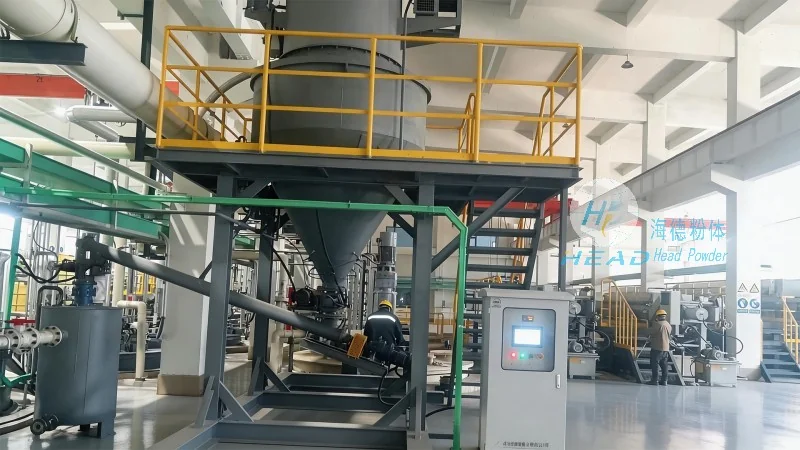
When selecting a wheat starch conveying method, factors such as material characteristics, distance, elevation changes, and operational requirements must be considered. Gravity conveying is economical for short vertical or horizontal distances but constrained by slope limitations. Mechanical conveyors provide reliable performance for both horizontal and vertical transport but may necessitate more maintenance. Pneumatic systems offer flexibility and minimal product degradation but can be more energy-intensive. Shandong HeadPowder Engineering Co., Ltd. can assist in evaluating these factors and recommending the most suitable conveying method for specific applications, ensuring optimal performance and cost-effectiveness.
Conclusion and Recommendations
Efficient wheat starch conveying is critical for maintaining product quality and operational efficiency across various industries. The choice of conveying method depends on specific site conditions, material properties, and operational goals. Shandong HeadPowder Engineering Co., Ltd., with its expertise in specialized conveying solutions, can provide tailored systems that address the unique challenges of wheat starch transport. By considering factors such as energy consumption, maintenance requirements, and material handling capabilities, businesses can select the most appropriate conveying method to enhance productivity and ensure consistent product quality. The company’s commitment to quality and innovation ensures that its conveying solutions meet the evolving needs of the wheat starch industry, supporting sustainable and efficient operations.

 Shandong Headpowder Engineering Co., Ltd.
 156-6277-7102(Quản lý Trương)
  0531-83386006
  Thành phố Tế Nam, Tỉnh Sơn Đông, Trung Quốc
Điện thoại
WeChatTư vấn
Lên đầu