Với hơn 10 năm kinh nghiệm về vận chuyển khí nén, Headpowder Sơn Đông cung cấp hệ thống, thiết bị và quạt gió toàn chuỗi, đảm nhận các dự án kỹ thuật bột trọn gói trên toàn quốc.
When it comes to transporting denitration agents, selecting the right delivery method is crucial for efficiency, safety, and operational reliability. Denitration agents are essential in flue gas treatment processes, particularly in power plants and industrial facilities where nitrogen oxides (NOx) reduction is required. The choice of delivery method impacts the overall performance of the denitration system, affecting factors such as material handling, system maintenance, and environmental compliance. Proper delivery ensures that the denitration agent is delivered to the injection point in a consistent and controlled manner, which is vital for achieving optimal NOx reduction and maintaining system efficiency.
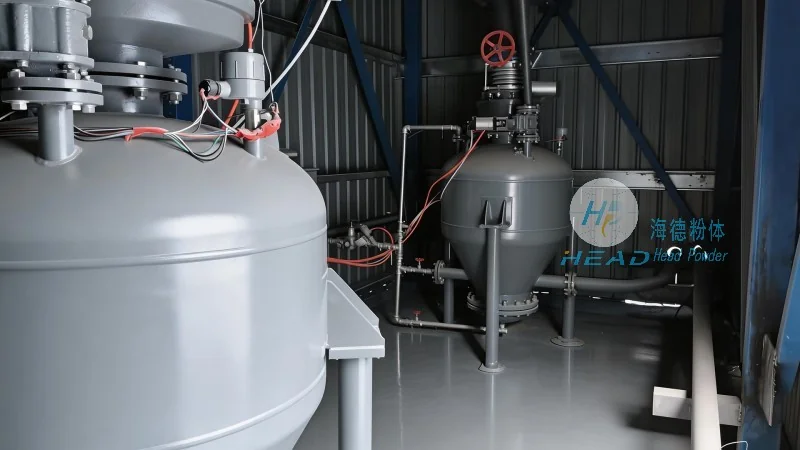
Pneumatic Conveying: A Key Delivery Method for Denitration Agents
Pneumatic conveying is a widely adopted technique for transporting denitration agents due to its effectiveness in handling fine powders and its ability to maintain system cleanliness. This method uses compressed air to move the material through a pipeline system. There are two primary types of pneumatic conveying: dilute phase and dense phase. Dilute phase systems are suitable for low to medium pressure applications, where the material is suspended in air and travels at high velocities, typically 20-30 meters per second. Dense phase systems, on the other hand, operate at lower velocities (around 5-10 meters per second) and higher pressures, ensuring a more controlled and gentle transport of the denitration agent. The choice between these two depends on the specific characteristics of the denitration agent, such as particle size, moisture content, and flowability. For example, denitration agents with fine particles and low bulk density may be better suited for dilute phase systems, while those with larger particles or higher moisture content may require dense phase conveying to prevent blockages and ensure smooth flow.
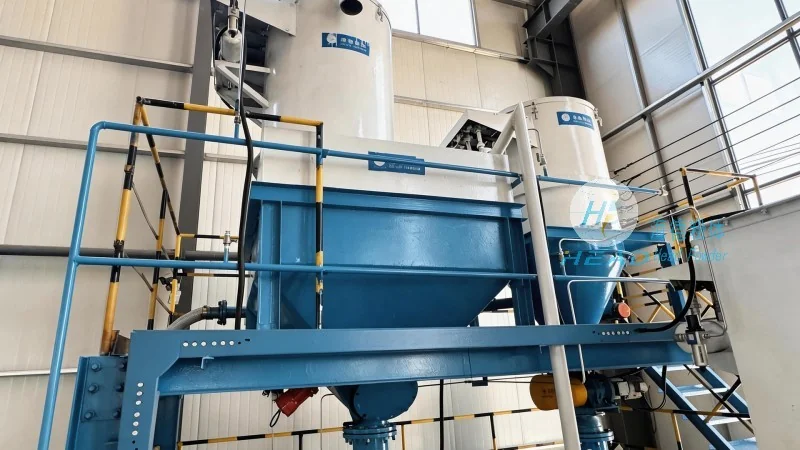
Advantages of Pneumatic Conveying for Denitration Agents
Several advantages make pneumatic conveying an ideal choice for denitration agents. First, it offers a dust-free and enclosed system, minimizing environmental contamination and ensuring compliance with air quality regulations. This is particularly important in industrial settings where air pollution control is mandatory. Second, the process is highly efficient, allowing for continuous and automated material transport without the need for manual handling. This reduces labor costs and minimizes the risk of human error in the delivery process. Third, pneumatic conveying systems can be designed to handle a wide range of denitration agent types, including those with varying particle sizes and moisture levels. This flexibility makes it suitable for different industrial applications, from power generation to chemical manufacturing. Additionally, these systems are relatively compact and can be integrated seamlessly into existing flue gas treatment infrastructure, reducing installation costs and space requirements. The compact design also allows for easier maintenance and access to components, which is beneficial for long-term system operation.
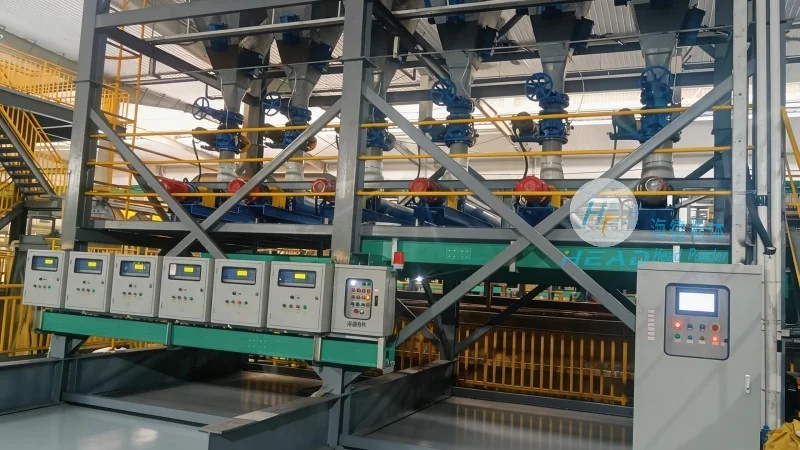
Factors to Consider When Choosing a Delivery Method
When selecting a delivery method for denitration agents, several factors must be carefully evaluated. The first is the physical properties of the denitration agent itself. These properties include particle size distribution, bulk density, and flowability. For instance, denitration agents with very fine particles (less than 10 microns) may have poor flow characteristics and require special handling to prevent agglomeration. In such cases, the conveying system must be designed to prevent particle segregation and maintain consistent flow. The second factor is the system's operational requirements, such as the required flow rate, pressure, and distance of transport. The flow rate is determined by the amount of denitration agent needed for the treatment process, while the pressure and distance affect the choice of conveying technology. For example, long-distance transport may require higher pressure and more robust system components. Third, the environmental and safety regulations in the operating region must be taken into account. Some methods may require additional containment measures to prevent dust emissions or material leakage. Finally, the cost of installation, maintenance, and operational energy consumption should be evaluated to ensure the chosen method is economically viable. A thorough cost-benefit analysis helps in selecting the most cost-effective solution that meets all operational and regulatory requirements.
Conclusion
Choosing the appropriate delivery method for denitration agents is a critical decision that directly impacts the performance and efficiency of flue gas treatment systems. Pneumatic conveying, with its dilute and dense phase configurations, offers a reliable and effective solution for transporting denitration agents. By considering the specific characteristics of the denitration agent and the operational requirements of the facility, engineers can select the most suitable delivery method. Companies like Shandong HeadPowder Engineering Co., Ltd., based in China, specialize in providing advanced solutions for denitration agent delivery systems. They leverage their expertise in material handling and industrial engineering to design and implement customized pneumatic conveying systems that meet the unique needs of their clients. By partnering with such companies, industrial facilities can ensure that their denitration systems operate efficiently, comply with environmental regulations, and achieve optimal NOx reduction. The integration of advanced pneumatic conveying technology with proper system design is key to maintaining the reliability and effectiveness of denitration processes in modern industrial applications.

 Shandong Headpowder Engineering Co., Ltd.
 156-6277-7102(Quản lý Trương)
  0531-83386006
  Thành phố Tế Nam, Tỉnh Sơn Đông, Trung Quốc
Điện thoại
WeChatTư vấn
Lên đầu