Với hơn 10 năm kinh nghiệm về vận chuyển khí nén, Headpowder Sơn Đông cung cấp hệ thống, thiết bị và quạt gió toàn chuỗi, đảm nhận các dự án kỹ thuật bột trọn gói trên toàn quốc.
Garbage management is a critical aspect of urban infrastructure, and efficient waste handling requires reliable and effective conveying systems. Among the various methods used to transport waste, pneumatic conveying stands out as a sophisticated and versatile solution. This article explores common garbage conveying methods while providing a detailed introduction to pneumatic conveying systems, highlighting their applications and benefits in modern waste management.
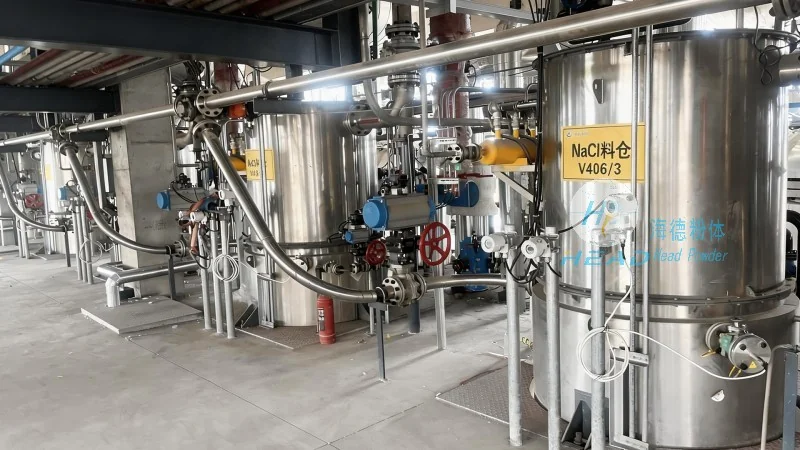
Understanding Different Garbage Conveying Methods
Waste management facilities employ a range of conveying technologies to move solid waste from collection points to processing or disposal sites. These methods can be broadly categorized based on the principles of operation and the materials they handle. Traditional methods include mechanical systems such as belt conveyors, screw conveyors, and bucket elevators, which rely on physical contact and mechanical force to transport waste. However, these systems may face challenges with certain types of waste, such as fine powders or wet materials, where friction and blockage can occur.
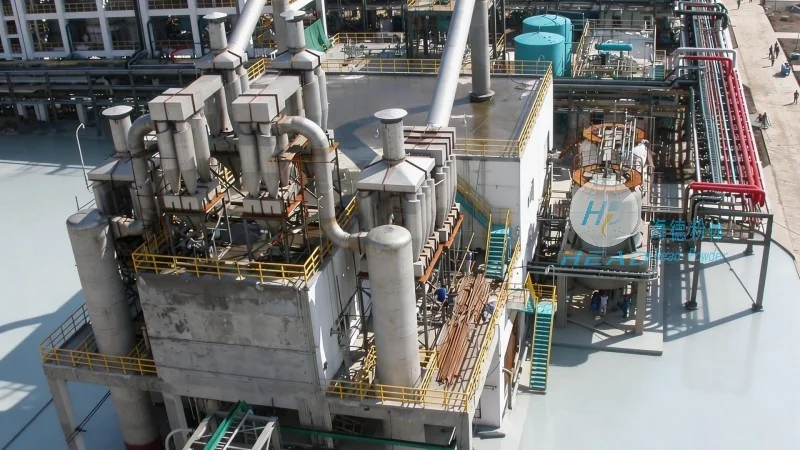
Pneumatic Conveying Systems: A Modern Solution
Pneumatic conveying, also known as air conveying, uses compressed air or gas to transport bulk materials, including waste, through a pipeline network. This method offers several advantages over traditional mechanical systems, particularly in handling abrasive or corrosive waste materials. The primary components of a pneumatic conveying system include a hopper for material storage, a blower or compressor to generate airflow, a pipeline system for material transport, and a discharge point for waste delivery. The system operates by introducing compressed air into the hopper, which creates a pressure differential that propels the waste particles through the pipeline. This process allows for the efficient and continuous movement of waste without the need for physical contact, reducing wear and tear on equipment and minimizing the risk of contamination.
Applications of Pneumatic Conveying in Waste Management
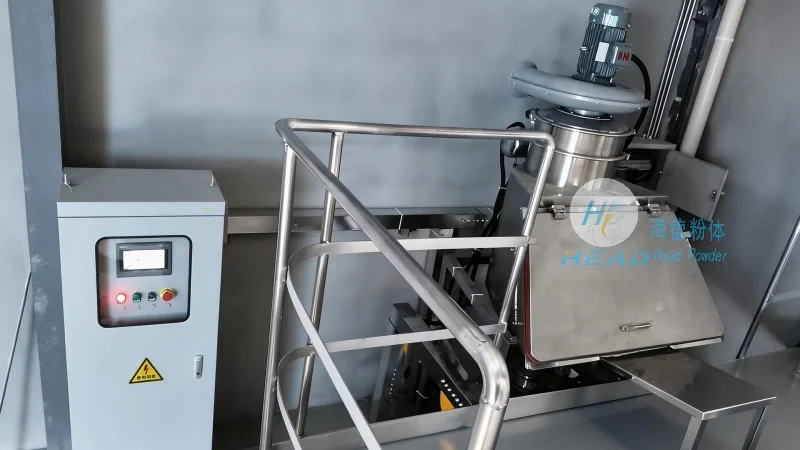
Pneumatic conveying systems are widely used in various stages of the waste management process. In collection and transfer stations, these systems can efficiently transport waste from collection trucks to processing facilities, reducing the need for manual handling and improving operational efficiency. During the sorting and processing stages, pneumatic conveyors can separate different types of waste, such as recyclables and non-recyclables, by using air classifiers or other separation techniques. This enables the separation of materials for recycling or further treatment, contributing to more sustainable waste management practices. Additionally, pneumatic conveying is utilized in the final disposal phase, where waste is transported to landfills or incineration plants. The ability to handle large volumes of waste over long distances makes pneumatic systems ideal for these applications, ensuring that waste is delivered to disposal sites in a controlled and efficient manner.
Advantages of Pneumatic Conveying for Waste Handling
Compared to traditional mechanical conveying methods, pneumatic conveying systems offer several key advantages that make them a preferred choice for modern waste management. One of the most significant benefits is the ability to handle a wide range of waste materials, including fine powders, liquids, and mixed waste streams. This versatility allows for the integration of pneumatic systems into existing waste management infrastructure without the need for extensive modifications. Another advantage is the reduced risk of contamination and cross-contamination, as the system operates in a closed pipeline network. This is particularly important in applications where waste is being processed for recycling or reuse, as it prevents the introduction of foreign materials that could compromise the quality of the final product. Furthermore, pneumatic conveying systems are generally more energy-efficient than mechanical systems, as they can transport materials over longer distances with less power consumption. The use of compressed air as the primary energy source also allows for easier integration with other industrial processes, such as air compression systems used in manufacturing or other waste handling operations.
Considerations for Implementing Pneumatic Conveying Systems
While pneumatic conveying offers numerous benefits, there are several factors to consider when implementing such systems in waste management facilities. The first consideration is the type and characteristics of the waste being handled. Different materials may require specific system configurations, such as the use of air classifiers or different pipeline diameters, to ensure efficient transport. The second consideration is the system's capacity and throughput. Pneumatic systems are designed to handle varying volumes of waste, and the selection of the appropriate blower or compressor size is critical to meeting the facility's operational demands. Additionally, the system's maintenance requirements and cost of operation must be evaluated. Pneumatic conveying systems typically require regular maintenance of the blower, pipeline, and other components to ensure optimal performance. The initial investment cost of a pneumatic system may be higher than that of mechanical systems, but the long-term operational savings and efficiency gains often justify the investment.
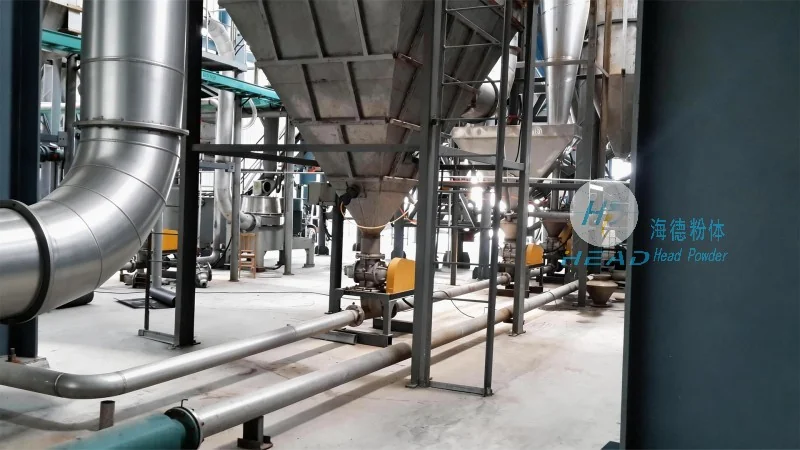
Conclusion
In conclusion, pneumatic conveying systems represent a modern and effective solution for the transportation of waste in various stages of the waste management process. By leveraging compressed air to move materials through a closed pipeline network, these systems offer advantages such as versatility, reduced contamination, and energy efficiency. As urban populations continue to grow and waste management demands increase, the adoption of advanced conveying technologies like pneumatic systems will become increasingly important. Companies like Shandong HeadPowder Engineering Co., Ltd., with their expertise in engineering and manufacturing, play a crucial role in providing reliable and efficient pneumatic conveying solutions for waste management facilities. Through continuous innovation and adherence to industry standards, these companies help ensure that waste is handled in a sustainable and environmentally responsible manner, contributing to the overall improvement of urban infrastructure and public health.

 Shandong Headpowder Engineering Co., Ltd.
 156-6277-7102(Quản lý Trương)
  0531-83386006
  Thành phố Tế Nam, Tỉnh Sơn Đông, Trung Quốc
Điện thoại
WeChatTư vấn
Lên đầu