Với hơn 10 năm kinh nghiệm về vận chuyển khí nén, Headpowder Sơn Đông cung cấp hệ thống, thiết bị và quạt gió toàn chuỗi, đảm nhận các dự án kỹ thuật bột trọn gói trên toàn quốc.
For industrial applications involving lysine, selecting the right conveying method is crucial for efficiency, cost-effectiveness, and product integrity. Lysine, a vital amino acid used extensively in animal feed and pharmaceuticals, requires reliable transport solutions that can handle its properties while maintaining operational standards. This article explores common lysine conveying methods, with a focus on the advantages and practical applications of pneumatic conveying systems.
Understanding Lysine and Its Conveying Requirements
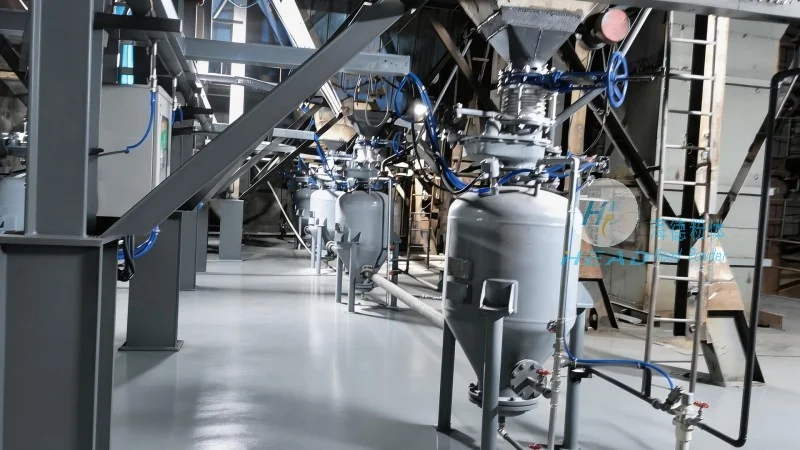
Lysine is a white crystalline powder with a fine particle size and hygroscopic nature, making it sensitive to moisture and temperature changes. In industrial processing, it must be moved from storage silos, processing units, or packaging areas without degradation. Conveying systems for lysine need to ensure minimal product loss, prevent contamination, and maintain consistent flow rates. Traditional methods like bucket elevators or belt conveyors may struggle with fine powders, leading to issues such as caking, bridging, or dust generation. Pneumatic conveying, however, offers a more controlled and efficient solution for handling lysine and similar powders.
Pneumatic Conveying: A Preferred Method for Lysine Transport
Pneumatic conveying systems use air or other gases to transport bulk materials like lysine through a pipeline network. This method is particularly suitable for lysine due to its ability to handle fine powders, reduce product degradation, and provide a closed system that minimizes dust exposure. There are two main types of pneumatic conveying: pressure and vacuum systems. Pressure systems use compressed air to push material through the pipeline, while vacuum systems use suction to draw material into the line. For lysine, pressure systems are often preferred as they offer better control over flow rates and can handle longer distances without significant pressure loss.
Key Advantages of Lysine Pneumatic Conveying
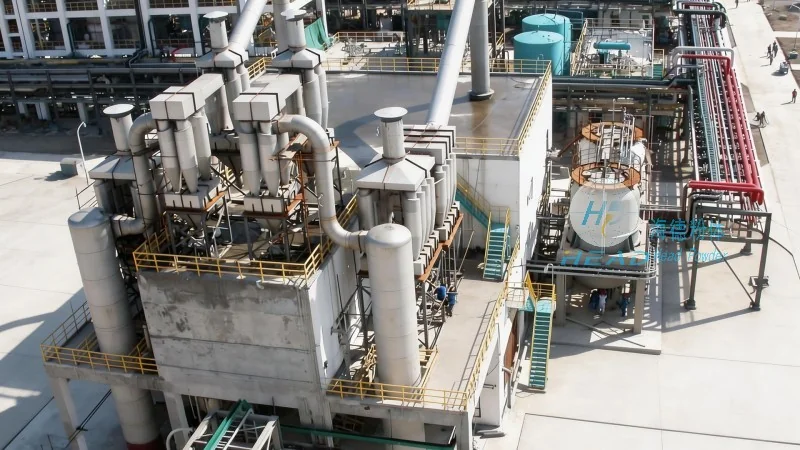
One of the primary benefits of pneumatic conveying for lysine is its ability to maintain product quality. The enclosed pipeline system prevents contamination from external sources and reduces exposure to air, which can affect lysine's stability. Additionally, pneumatic systems can handle varying particle sizes and flow rates, making them adaptable to different production stages. They also minimize labor costs by automating the transport process, reducing the need for manual handling and associated risks. Another advantage is the reduced risk of product caking or bridging, as the air flow helps keep the material in motion and prevents buildup in the pipeline.
Application Examples in Lysine Processing
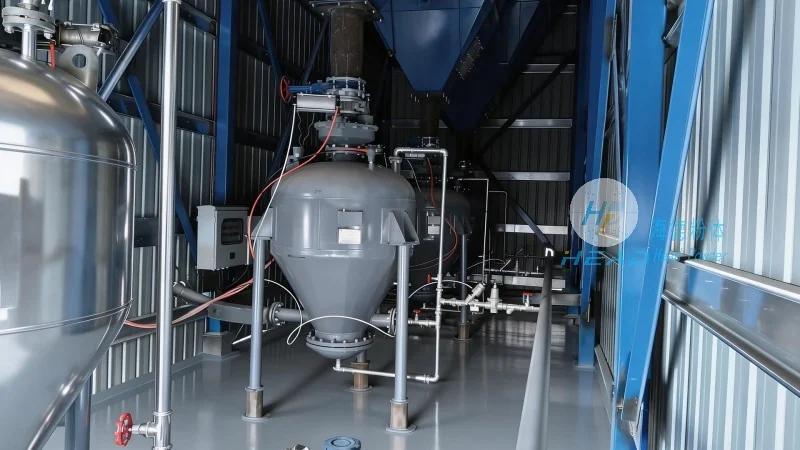
In lysine production facilities, pneumatic conveying is commonly used to move raw materials from storage silos to processing units, transfer intermediate products between stages, and transport finished lysine to packaging areas. For instance, in a typical lysine plant, lysine powder is stored in large silos and then conveyed via a pressure pneumatic system to a reactor or dryer. The system ensures a consistent flow of material, maintaining the required moisture and temperature levels to prevent degradation. Similarly, during packaging, the pneumatic system can transport lysine from a bulk storage tank to a filling machine, ensuring accurate dosing and minimizing waste.
Considerations for Implementing Lysine Conveying Systems
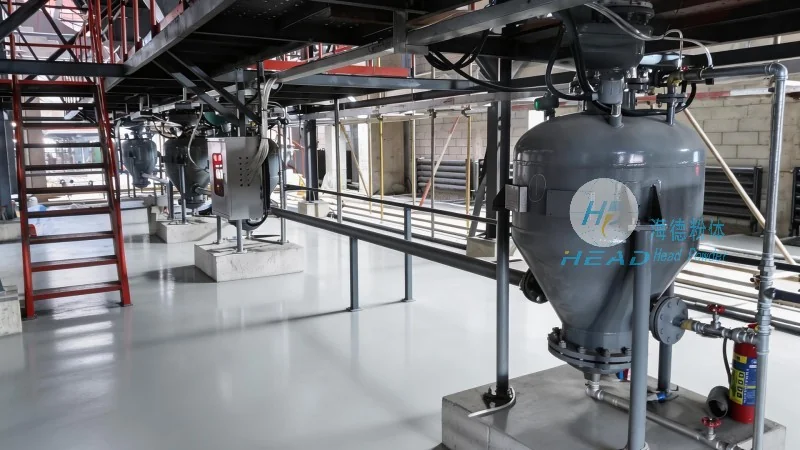
When selecting a conveying system for lysine, several factors must be considered to ensure optimal performance. First, the system must be designed to handle the hygroscopic nature of lysine, which may require moisture control measures such as desiccant filters or heated pipelines to prevent caking. Second, the material's particle size and flow characteristics should be evaluated to determine the appropriate air velocity and pipeline diameter. Third, the system should be equipped with safety features like explosion-proof components, as lysine dust can be a fire hazard in certain conditions. Finally, maintenance considerations, including access to pipelines for cleaning and inspection, are important to ensure long-term reliability.
Conclusion: Choosing the Right Lysine Conveying Solution
For industries dealing with lysine, pneumatic conveying offers a reliable and efficient method for transporting this critical amino acid. By leveraging the advantages of enclosed systems, controlled air flow, and adaptability to varying conditions, pneumatic conveying minimizes product loss, maintains quality, and reduces operational costs. As a leading provider of engineering solutions, Shandong HeadPowder Engineering Co., Ltd. specializes in designing and manufacturing customized pneumatic conveying systems tailored to the specific needs of lysine processing facilities. With a focus on quality, safety, and performance, HeadPowder ensures that lysine is transported effectively from storage to final use, supporting the needs of the animal feed and pharmaceutical industries.

 Shandong Headpowder Engineering Co., Ltd.
 156-6277-7102(Quản lý Trương)
  0531-83386006
  Thành phố Tế Nam, Tỉnh Sơn Đông, Trung Quốc
Điện thoại
WeChatTư vấn
Lên đầu