Với hơn 10 năm kinh nghiệm về vận chuyển khí nén, Headpowder Sơn Đông cung cấp hệ thống, thiết bị và quạt gió toàn chuỗi, đảm nhận các dự án kỹ thuật bột trọn gói trên toàn quốc.
When it comes to handling and transporting silica fume, selecting the right conveying method is crucial for efficiency, safety, and cost-effectiveness. Silica fume, a byproduct of the production of silicon metal or ferrosilicon alloys, is a fine powder with high reactivity and density, making traditional bulk material handling techniques less suitable. This article explores common silica fume conveying methods, with a focus on the advantages and applications of pneumatic conveying systems.
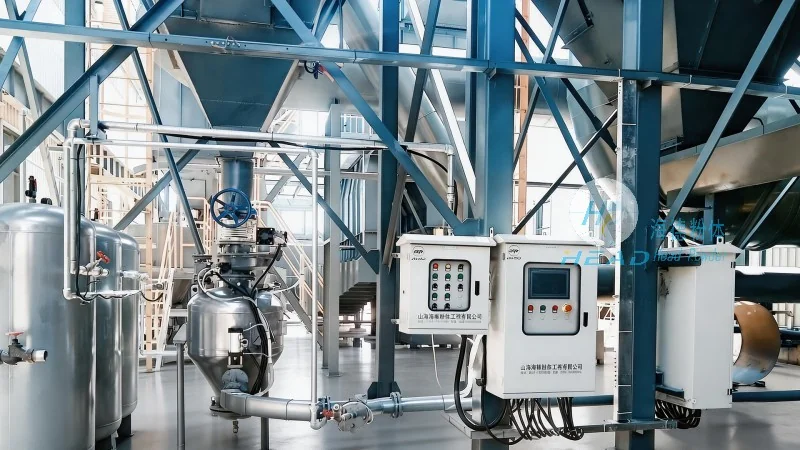
Understanding Silica Fume and Its Conveying Challenges
Silica fume, also known as microsilica, is a highly fine powder composed of amorphous silicon dioxide (SiO₂) particles. Its particle size is typically in the range of 0.1 to 1 micrometer, which leads to unique handling characteristics. The high density and fine particle size make it prone to dust generation, caking, and blockages in conventional conveying equipment. Therefore, specialized systems are required to ensure smooth and reliable transport from storage to processing or application points.
Common Silica Fume Conveying Methods
Several methods are employed for silica fume transport, each with its own advantages and limitations. The most common approaches include pneumatic conveying, mechanical screw conveyors, and hydraulic systems. Among these, pneumatic conveying has emerged as the preferred method for many industrial applications due to its ability to handle fine powders efficiently and maintain product integrity.
Pneumatic Conveying Systems for Silica Fume
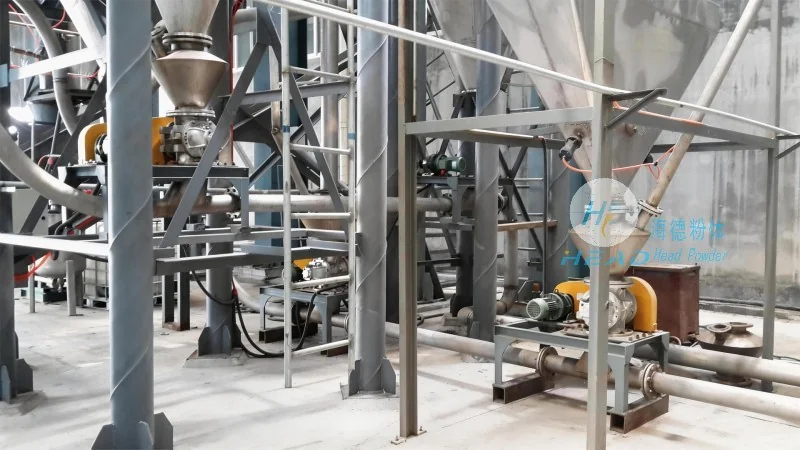
Pneumatic conveying, also known as air conveying, uses compressed air to move silica fume through a pipeline. This method is particularly effective for fine powders like silica fume because it minimizes dust exposure and prevents material degradation. There are two main types of pneumatic conveying systems: dilute phase and dense phase. Dilute phase systems use low air-to-material ratios, suitable for long-distance transport and high flow rates. Dense phase systems, on the other hand, use higher air-to-material ratios, which are ideal for short distances and for handling materials that are prone to clogging or require gentle handling.
The choice between dilute and dense phase depends on factors such as the distance between the source and destination, the required flow rate, and the characteristics of the silica fume being transported. For instance, dilute phase systems are often used in large-scale industrial plants where silica fume is transported from silos to mixing facilities over several hundred meters. Dense phase systems may be preferred in applications where the material needs to be delivered gently to avoid agglomeration or damage to downstream equipment.
Key Components of Silica Fume Pneumatic Conveying Systems
A typical pneumatic conveying system for silica fume consists of several key components. These include a silo or hopper for material storage, a feeder to control the flow rate, a conveying line (usually made of stainless steel or other corrosion-resistant materials), and a receiver or discharge hopper at the destination. The system also includes a blower or compressor to generate the necessary air pressure and a filter to capture any dust that may escape the system, ensuring compliance with environmental regulations.
Feeding equipment is critical in pneumatic conveying systems as it must handle the fine, cohesive nature of silica fume without causing blockages. Screw feeders or rotary valves are commonly used to provide a consistent and controlled flow of material into the conveying line. The conveying line itself is designed to minimize pressure drop and maintain the flow of material, often with bends and elbows that are carefully engineered to prevent clogging.
Advantages of Pneumatic Conveying for Silica Fume
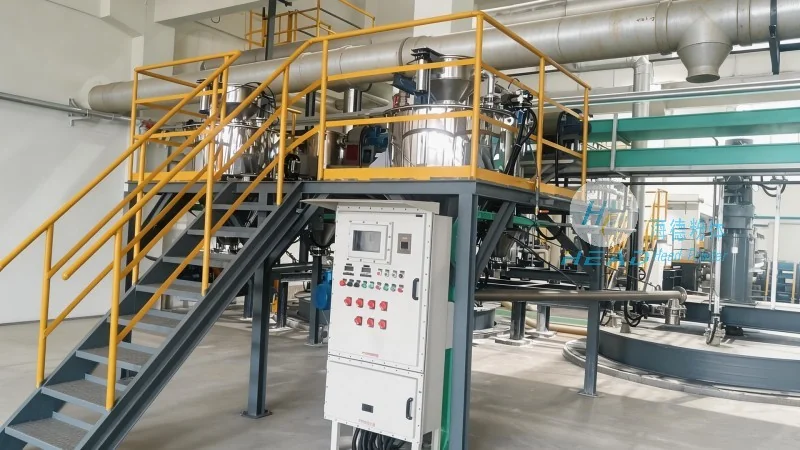
Implementing pneumatic conveying for silica fume offers several advantages over traditional methods. First, it significantly reduces dust exposure, improving workplace safety and reducing the risk of respiratory issues among operators. Second, it maintains the quality of the silica fume by preventing contamination and degradation during transport. Third, pneumatic systems are more flexible and can be easily adapted to changes in production or process requirements. Additionally, they can handle high volumes of material over long distances with minimal maintenance compared to mechanical conveyors.
Applications of Silica Fume Pneumatic Conveying
Silica fume pneumatic conveying systems are widely used in various industries, including concrete production, refractory manufacturing, and chemical processing. In the concrete industry, for example, silica fume is often added to high-performance concrete mixes to enhance strength and durability. The ability to transport silica fume efficiently from storage to batching plants is essential for maintaining consistent concrete quality. Similarly, in refractory production, silica fume is used as a raw material to improve the properties of refractory bricks and castables.
Another application is in the chemical industry, where silica fume is used as a filler or additive in various products. Pneumatic conveying allows for the precise and controlled addition of silica fume to chemical processes, ensuring uniform mixing and product consistency. The flexibility of pneumatic systems also makes them suitable for small-scale or intermittent production runs, where the volume of material being transported may vary.
Conclusion
Choosing the right conveying method for silica fume is a critical decision that impacts operational efficiency and product quality. While several options are available, pneumatic conveying systems offer a superior solution for handling the fine, reactive nature of silica fume. By understanding the different types of pneumatic conveying systems and their components, industries can select the most appropriate method to meet their specific needs. As a leading provider of engineering solutions for material handling, Shandong HeadPowder Engineering Co., Ltd. specializes in designing and manufacturing customized pneumatic conveying systems tailored to the unique requirements of silica fume applications. With facilities located in Shandong, China, the company leverages its expertise to deliver reliable and efficient conveying solutions that enhance productivity and safety in various industrial settings.

 Shandong Headpowder Engineering Co., Ltd.
 156-6277-7102(Quản lý Trương)
  0531-83386006
  Thành phố Tế Nam, Tỉnh Sơn Đông, Trung Quốc
Điện thoại
WeChatTư vấn
Lên đầu