Với hơn 10 năm kinh nghiệm về vận chuyển khí nén, Headpowder Sơn Đông cung cấp hệ thống, thiết bị và quạt gió toàn chuỗi, đảm nhận các dự án kỹ thuật bột trọn gói trên toàn quốc.
Aluminum slag, a byproduct of aluminum production processes, requires efficient and reliable conveying methods to ensure safe and effective handling. The methods used for aluminum slag transport vary based on the characteristics of the slag, the scale of operations, and the specific requirements of the industrial facility. Understanding these methods is crucial for optimizing material flow and maintaining operational efficiency in aluminum processing plants. As a leading provider of engineering solutions for material handling, Shandong HeadPowder Engineering Co., Ltd. specializes in designing and implementing effective conveying systems tailored to the unique needs of aluminum production facilities.
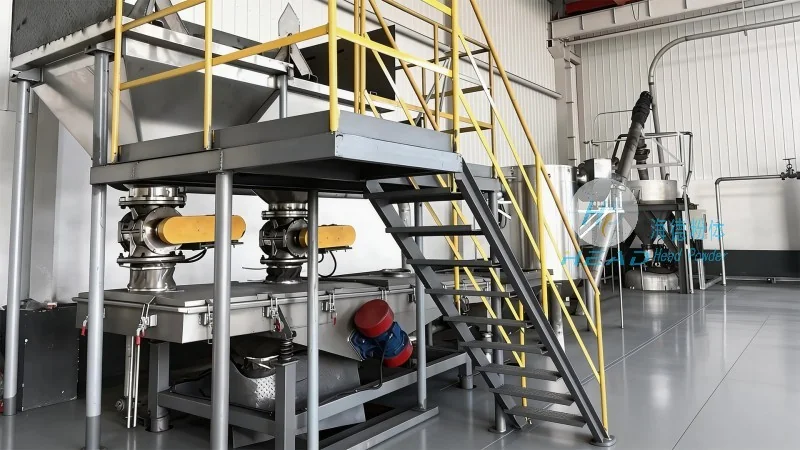
Common Conveying Methods for Aluminum Slag
Several established methods are commonly employed for aluminum slag transport. These include mechanical conveying systems such as belt conveyors, screw conveyors, and pneumatic conveying systems. Each method has its own advantages and is selected based on factors like the slag's moisture content, particle size, and the distance it needs to be transported.
Belt Conveyors for Aluminum Slag
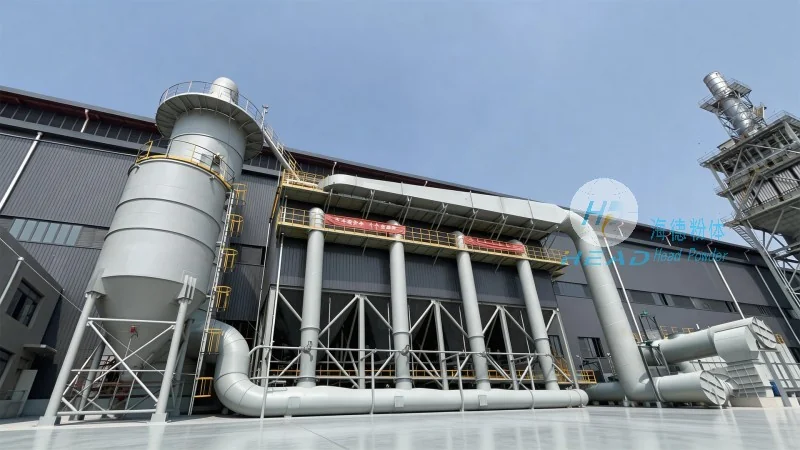
Belt conveyors are widely used for aluminum slag due to their ability to handle large volumes of material over long distances. They are particularly effective for transporting dry or semi-dry slag, as the belt can be designed with appropriate materials to prevent wear and tear from abrasive particles. The design of the belt conveyor system, including the angle of inclination and the speed of the belt, is critical to ensure smooth and continuous transport without causing blockages or material degradation.
Screw Conveyors for Aluminum Slag Handling
Screw conveyors, also known as auger conveyors, are another common choice for aluminum slag transport. These systems use a rotating screw to move material along a trough. Screw conveyors are well-suited for transporting fine or granular slag and can operate in both horizontal and vertical orientations. Their compact design makes them ideal for confined spaces within industrial facilities. However, they may not be as effective for very large or heavy slag pieces, as the screw can experience excessive wear under such conditions.
Pneumatic Conveying Systems for Aluminum Slag
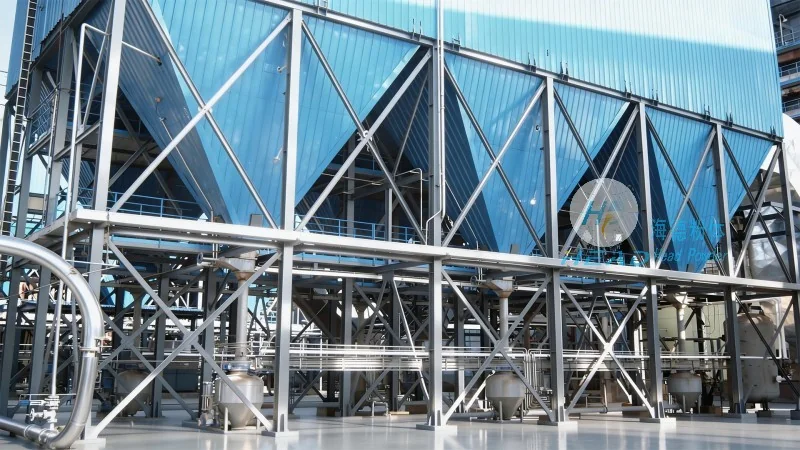
Pneumatic conveying systems utilize air pressure to transport aluminum slag through a pipeline. This method is particularly useful for transporting fine or dusty slag over moderate distances. The system typically consists of a hopper, a venturi or rotary airlock, and a receiver. Pneumatic conveyors can handle both dry and slightly moist slag, but they require careful control of air pressure and flow rates to prevent material buildup or blockages in the pipeline. They are often preferred for applications where dust control is a priority.
Hybrid Conveying Solutions
In many industrial settings, a combination of the above methods is used to achieve optimal aluminum slag transport. For example, a belt conveyor might be used to transport slag from a storage area to a processing unit, while a screw conveyor handles the material within the processing equipment. Pneumatic conveying may be employed for transporting fine slag particles to a collection or treatment area. Hybrid systems allow for greater flexibility and can adapt to varying slag characteristics and operational demands.
Key Considerations for Aluminum Slag Conveying
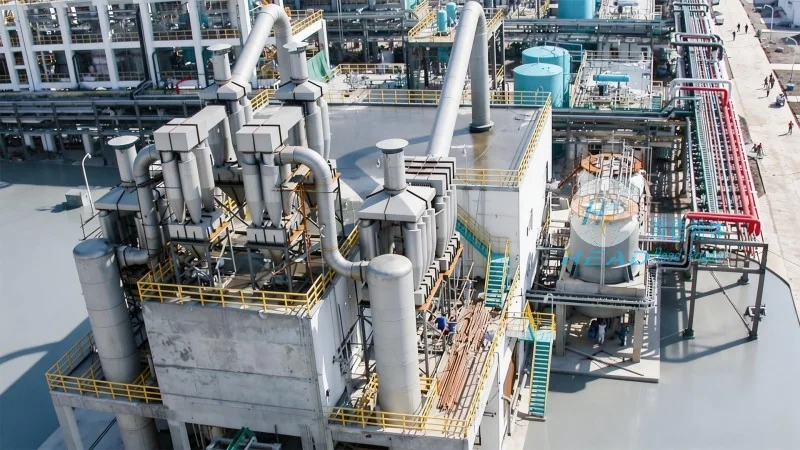
When selecting a conveying method for aluminum slag, several factors must be considered to ensure the system operates efficiently and safely. These include the physical properties of the slag, such as its density, moisture content, and abrasiveness. The distance and layout of the transport route are also critical, as they determine the type and capacity of the conveyor system required. Additionally, factors like maintenance requirements, energy consumption, and environmental impact should be evaluated to choose the most suitable method for the specific application.
Conclusion
Efficient aluminum slag conveying is essential for the smooth operation of aluminum production facilities. By selecting the appropriate conveying method—whether a belt conveyor, screw conveyor, pneumatic system, or a hybrid approach—industrial operators can ensure safe, reliable, and cost-effective transport of aluminum slag. The choice of method depends on various factors, including the slag's characteristics and the operational requirements of the facility. With proper design and maintenance, these conveying systems can significantly enhance the overall efficiency and productivity of aluminum processing operations.

 Shandong Headpowder Engineering Co., Ltd.
 156-6277-7102(Quản lý Trương)
  0531-83386006
  Thành phố Tế Nam, Tỉnh Sơn Đông, Trung Quốc
Điện thoại
WeChatTư vấn
Lên đầu