Với hơn 10 năm kinh nghiệm về vận chuyển khí nén, Headpowder Sơn Đông cung cấp hệ thống, thiết bị và quạt gió toàn chuỗi, đảm nhận các dự án kỹ thuật bột trọn gói trên toàn quốc.
When designing a pneumatic conveying system for dust and sand materials, it is crucial to consider multiple factors to ensure efficiency, reliability, and cost-effectiveness. The system's performance directly impacts the overall operational efficiency of material handling processes in various industries, such as mining, construction, and manufacturing. A well-designed system can minimize downtime, reduce maintenance costs, and enhance safety by preventing dust dispersion and material loss.
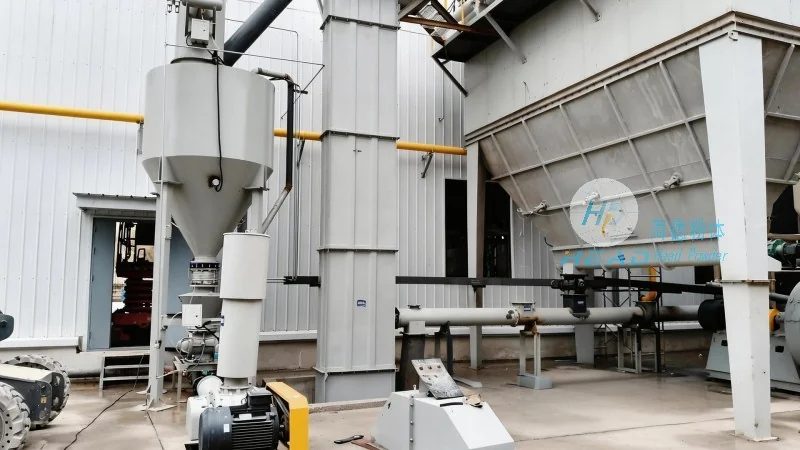
Key Design Considerations for Pneumatic Conveying Systems
Several critical factors must be evaluated during the design phase. The first is the material characteristics, including particle size, density, moisture content, and abrasiveness. These properties influence the choice of conveying method—whether it's a positive pressure, negative pressure, or a combination of both. For example, fine dust particles may require higher air velocities and specialized equipment to prevent clogging, while larger sand particles might benefit from lower velocities and robust pipeline designs.
System Components and Their Roles
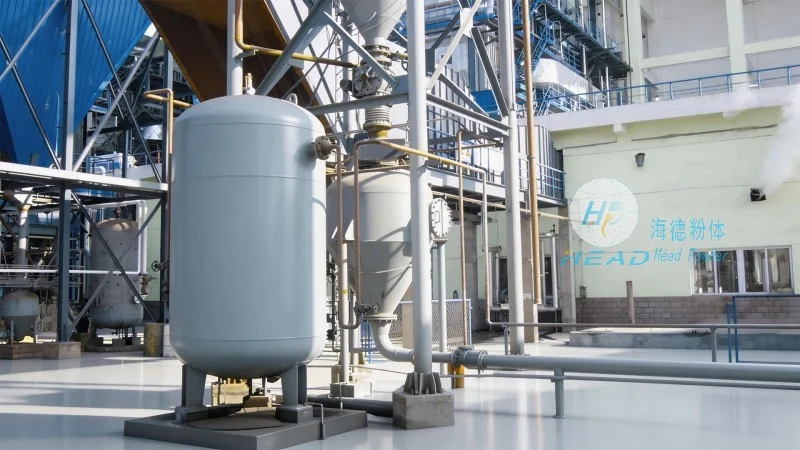
The core components of a pneumatic conveying system include the air compressor, material feeder, conveying pipeline, and dust collector. The air compressor provides the necessary pressure or vacuum to move the material. The material feeder ensures a consistent flow of dust or sand into the system, preventing surges or blockages. The conveying pipeline, typically made of stainless steel or other corrosion-resistant materials, must be designed to withstand the pressure and abrasion from the material. The dust collector, often equipped with filtration systems, captures any airborne particles to maintain air quality and comply with environmental regulations.
Designing the Conveying Pipeline Layout
The layout of the conveying pipeline is a critical aspect of system design. The pipeline should be as short and direct as possible to minimize pressure losses and energy consumption. However, in some cases, bends and turns are necessary, and these must be carefully designed to avoid pressure drops and material deposition. The use of appropriate pipe diameters is also essential; larger diameters reduce friction losses but increase material handling costs. Engineers must balance these factors to achieve an optimal design.
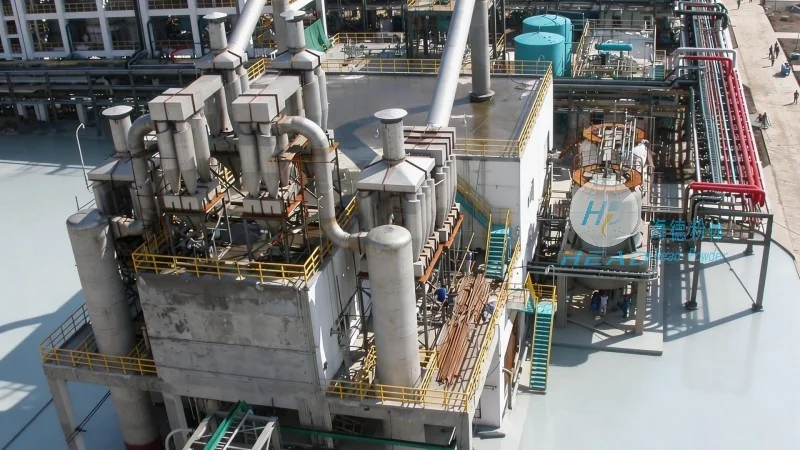
Pressure and Flow Control in Pneumatic Conveying
Pressure and flow control are vital for maintaining system stability and preventing equipment damage. The air compressor's capacity must match the system's requirements, ensuring sufficient air volume and pressure to move the material. Flow control devices, such as valves and regulators, help maintain a consistent flow rate, preventing overpressurization or underpressurization. Additionally, monitoring systems can provide real-time data on pressure and flow, allowing for adjustments to optimize performance and prevent system failures.
Material Handling Safety and Environmental Compliance
Designing a pneumatic conveying system for dust and sand materials also involves considerations for safety and environmental compliance. Dust dispersion can pose health risks and environmental hazards, so the system must include effective dust collection and ventilation measures. The use of explosion-proof components in areas where flammable dusts are present is essential to prevent accidents. Additionally, the system must comply with local regulations regarding air quality and noise levels, ensuring that it operates within acceptable limits.
Case Study: A Successful Dust and Sand Pneumatic Conveying System by Shandong HeadPowder Engineering Co., Ltd.
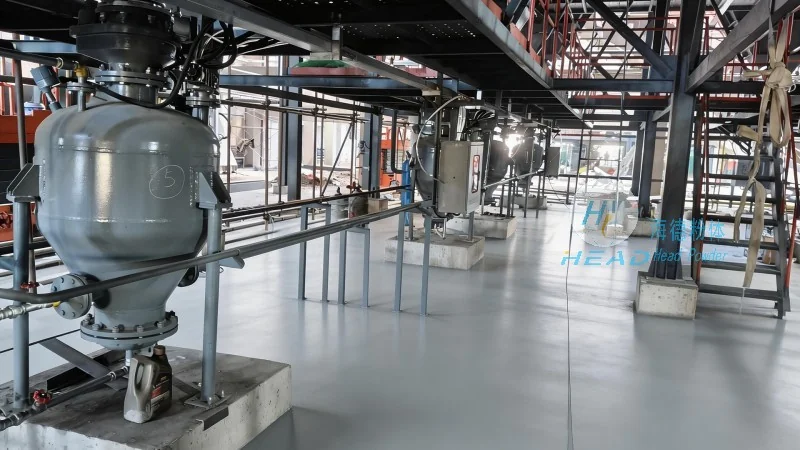
Shandong HeadPowder Engineering Co., Ltd., a leading provider of material handling solutions, has successfully designed and implemented numerous pneumatic conveying systems for dust and sand applications. One notable project involved a mining operation in China that required the transport of fine sand from a storage silo to a processing plant. The company's engineers conducted a thorough analysis of the material characteristics, including particle size distribution and moisture content, and selected a positive pressure system with a stainless steel pipeline. The system was designed to handle high volumes of sand while maintaining low pressure losses, resulting in energy savings and reduced maintenance costs. The dust collector integrated into the system effectively captured airborne particles, ensuring compliance with environmental regulations and improving workplace safety. This project exemplifies the company's expertise in designing efficient and reliable pneumatic conveying systems tailored to specific material handling needs.
Conclusion: The Importance of Professional Design in Pneumatic Conveying Systems
Designing a reasonable dust and sand pneumatic conveying system requires a comprehensive approach that considers material properties, system components, pipeline layout, and operational requirements. By addressing these factors, engineers can create a system that maximizes efficiency, minimizes costs, and ensures safety and environmental compliance. For businesses seeking to optimize their material handling processes, partnering with a professional engineering company like Shandong HeadPowder Engineering Co., Ltd. can provide the expertise and solutions needed to achieve successful outcomes.

 Shandong Headpowder Engineering Co., Ltd.
 156-6277-7102(Quản lý Trương)
  0531-83386006
  Thành phố Tế Nam, Tỉnh Sơn Đông, Trung Quốc
Điện thoại
WeChatTư vấn
Lên đầu