Với hơn 10 năm kinh nghiệm về vận chuyển khí nén, Headpowder Sơn Đông cung cấp hệ thống, thiết bị và quạt gió toàn chuỗi, đảm nhận các dự án kỹ thuật bột trọn gói trên toàn quốc.
Biological enzymes are essential catalysts in various industrial and scientific applications, and their efficient transport is crucial for maintaining product quality and process efficiency. As a leading provider in the field, Shandong HeadPowder Engineering Co., Ltd. (referred to as HeadPowder) specializes in advanced transport solutions tailored to the unique requirements of enzyme handling. This article explores common biological enzyme delivery methods, with a focus on the advantages and applications of pneumatic enzyme transport systems.
Understanding Biological Enzyme Transport: Key Considerations
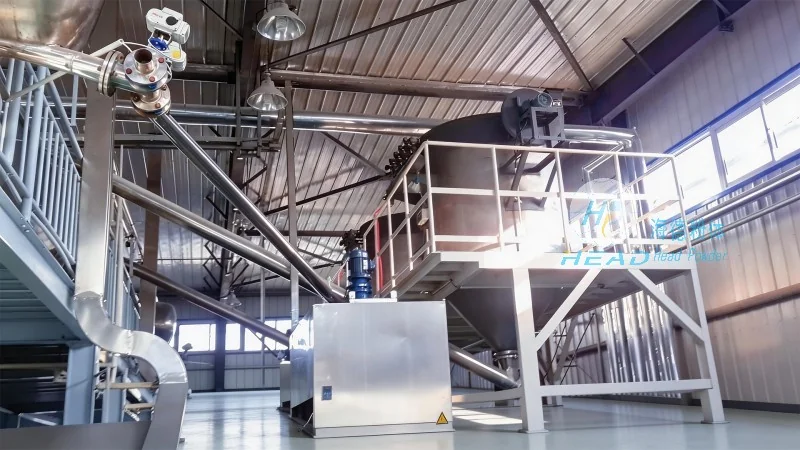
Before delving into specific transport methods, it is essential to understand the factors that influence enzyme transport. Biological enzymes are sensitive to temperature, pH, and shear stress, which can degrade their activity if not managed properly. Therefore, the choice of transport method must prioritize minimizing these risks while ensuring reliable and efficient movement. Common challenges include maintaining enzyme stability during transit, preventing contamination, and achieving consistent delivery rates. These considerations guide the selection of appropriate transport technologies for different industrial settings.
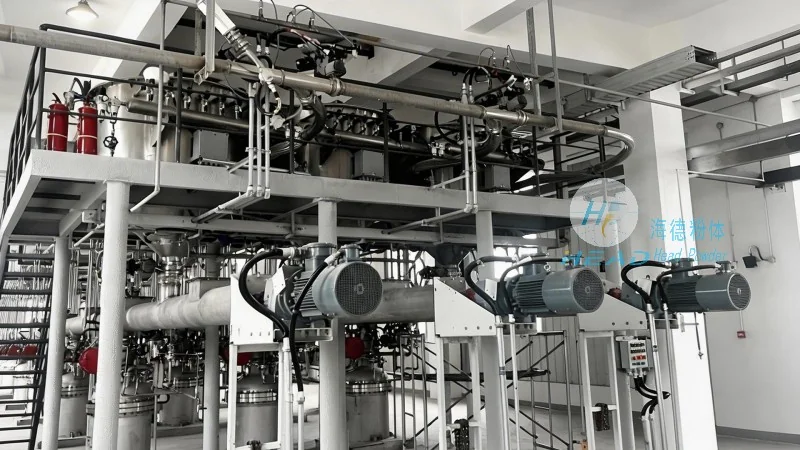
Common Biological Enzyme Transport Methods
Several methods are commonly used for transporting biological enzymes, each with its own advantages and limitations. Traditional methods include manual handling, which is labor-intensive and prone to human error, and mechanical conveyors, such as belt or screw conveyors. While these methods are widely used, they may not be suitable for highly sensitive enzymes due to the risk of contamination and mechanical stress. For applications requiring higher precision and reduced risk, specialized transport systems are preferred. Among these, pneumatic transport stands out as a versatile and effective solution.
Pneumatic Enzyme Transport: Principles and Advantages
Pneumatic enzyme transport, also known as air-assisted transport, utilizes compressed air to move enzymes through a pipeline system. The process involves injecting enzymes into a carrier gas stream, which then propels the mixture through the transport line. This method offers several key advantages that make it ideal for sensitive biological enzymes. First, it minimizes physical contact with equipment, reducing the risk of contamination and mechanical damage. Second, pneumatic systems can maintain precise control over flow rates and pressure, ensuring consistent delivery of enzymes to the target location. Third, the enclosed pipeline design prevents exposure to environmental factors, such as dust or moisture, which could degrade enzyme activity. These benefits make pneumatic transport a preferred choice for industries where enzyme stability is critical.
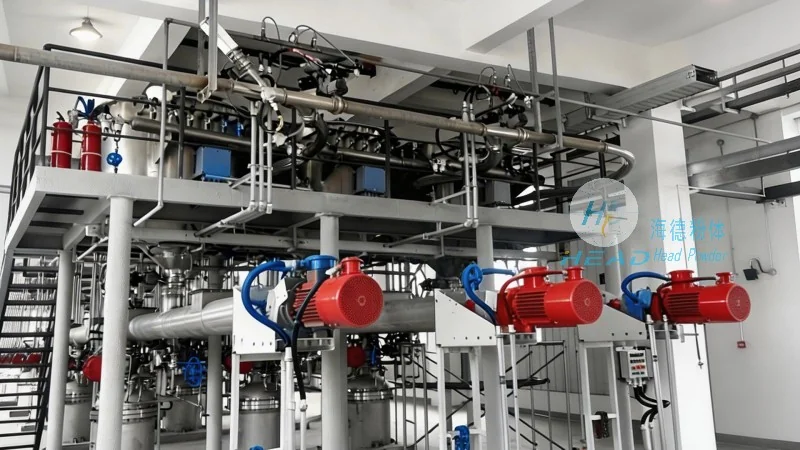
Applications of Pneumatic Enzyme Transport
The versatility of pneumatic enzyme transport systems makes them suitable for a wide range of applications. In the pharmaceutical industry, for example, these systems are used to transport enzymes used in drug synthesis and formulation. The ability to maintain sterile conditions and precise control over delivery is essential for ensuring product quality and regulatory compliance. In the food and beverage industry, pneumatic transport is employed for enzymes used in fermentation processes, such as lactase or amylase. These enzymes are critical for improving product quality and extending shelf life. Additionally, in the biotechnology sector, pneumatic systems are used to transport enzymes for research and development, where consistent and reliable delivery is vital for experimental accuracy.
HeadPowder's Pneumatic Enzyme Transport Solutions
Shandong HeadPowder Engineering Co., Ltd. specializes in designing and manufacturing customized pneumatic enzyme transport systems tailored to the specific needs of each client. The company's expertise lies in integrating advanced materials and control technologies to ensure optimal performance. HeadPowder's systems are engineered to handle a variety of enzyme types, from liquid to powdered forms, and can be adapted to different process scales, from laboratory to industrial production. The company's commitment to quality and reliability is reflected in its adherence to industry standards and rigorous testing protocols. By leveraging its experience and innovation, HeadPowder provides solutions that enhance efficiency, reduce costs, and improve overall process performance for its clients.

 Shandong Headpowder Engineering Co., Ltd.
 156-6277-7102(Quản lý Trương)
  0531-83386006
  Thành phố Tế Nam, Tỉnh Sơn Đông, Trung Quốc
Điện thoại
WeChatTư vấn
Lên đầu