Với hơn 10 năm kinh nghiệm về vận chuyển khí nén, Headpowder Sơn Đông cung cấp hệ thống, thiết bị và quạt gió toàn chuỗi, đảm nhận các dự án kỹ thuật bột trọn gói trên toàn quốc.
When it comes to efficiently transporting dust and powders in industrial settings, selecting the right conveying method is crucial for maintaining productivity, safety, and operational efficiency. Among the various options available, pneumatic dust conveying stands out as a versatile and effective solution. This article provides an overview of common dust conveying methods, with a focus on the principles and applications of pneumatic systems.
Understanding Pneumatic Dust Conveying
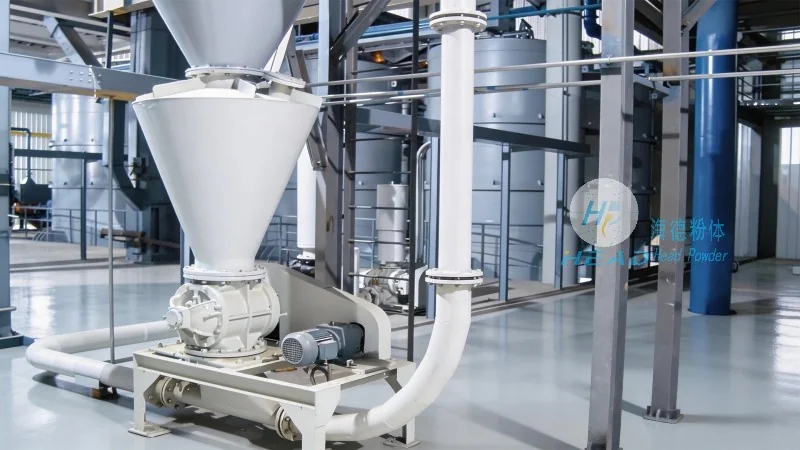
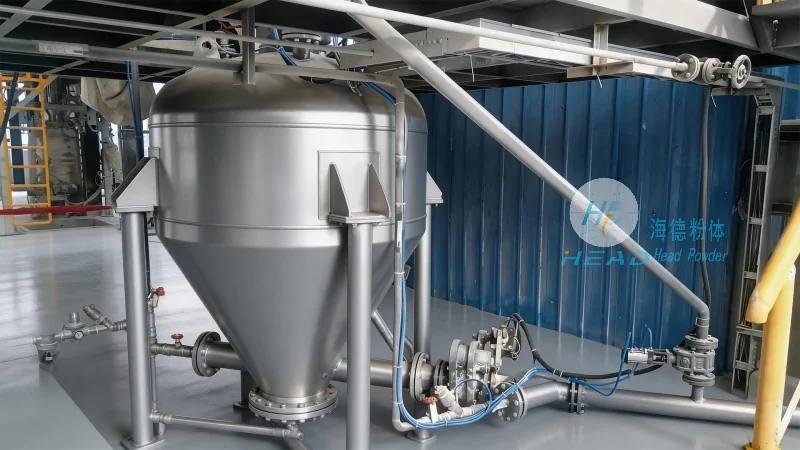
Pneumatic dust conveying utilizes compressed air or gas to transport particulate materials through a pipeline system. This method is widely adopted in industries such as pharmaceuticals, food processing, and chemical manufacturing due to its ability to handle fine powders and dust without the need for mechanical components like belts or buckets. The core components of a pneumatic dust conveyor typically include a blower, a hopper for material storage, a pipeline network, and a receiver for the discharged material. The process involves feeding the dust into the hopper, where it is then drawn into the pipeline by the pressure differential created by the blower. As the air flows through the system, it carries the dust particles along, delivering them to the desired location.
Key Advantages of Pneumatic Dust Conveying
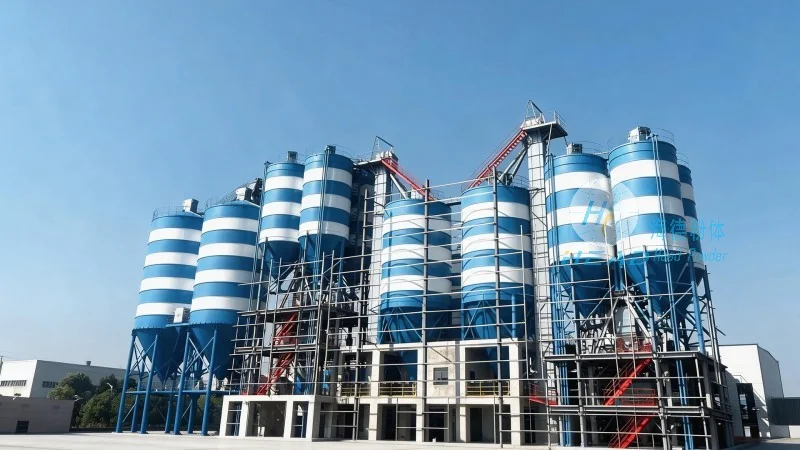
One of the primary benefits of pneumatic dust conveying is its flexibility in handling different types of dust, including fine powders and abrasive materials. Unlike mechanical conveying systems, which may suffer from wear and tear or clogging, pneumatic systems are less prone to these issues, as the material is transported in a fluidized state. Additionally, this method allows for the integration of dust collection and filtration systems, enabling effective air purification and compliance with environmental regulations. The ability to convey materials over long distances without the need for multiple transfer points also enhances operational efficiency and reduces downtime.
Common Applications in Industrial Settings
Pneumatic dust conveying is employed in a wide range of industrial applications where dust and powder handling is essential. For instance, in pharmaceutical manufacturing, it is used to transport active ingredients and excipients with high precision, ensuring product purity and consistency. In food processing facilities, it facilitates the handling of flour, sugar, and other dry ingredients while maintaining hygienic conditions. The chemical industry also relies on pneumatic systems to transport powders like pigments, catalysts, and reagents, which require controlled and dust-free environments. Furthermore, in mining and mineral processing, pneumatic conveyors are used to transport raw materials and tailings, optimizing the extraction and processing of minerals.
Factors to Consider When Choosing a Pneumatic Dust Conveying System
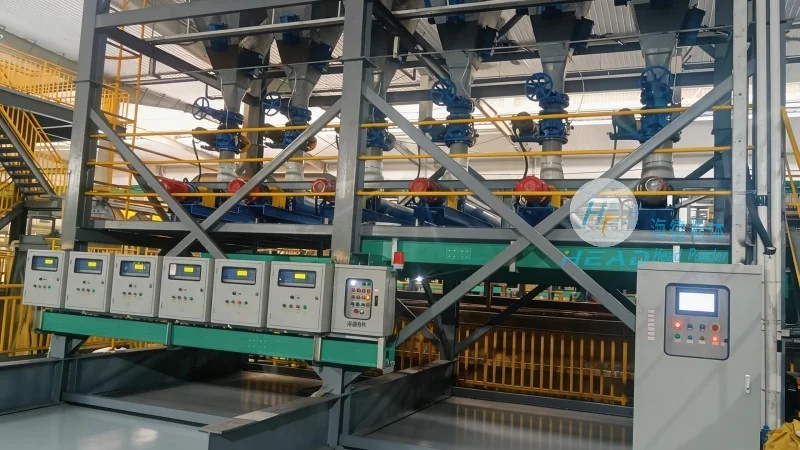
When selecting a pneumatic dust conveying system, several factors must be taken into account to ensure optimal performance and cost-effectiveness. The first consideration is the type and characteristics of the material being conveyed, such as particle size, density, and moisture content. These factors influence the choice of blower type (positive displacement or centrifugal) and the design of the pipeline and hopper. The distance and elevation changes between the source and destination of the material also play a critical role in determining the required air pressure and flow rate. Additionally, the need for dust collection and environmental compliance may dictate the inclusion of filtration systems and the selection of materials for the pipeline and components to prevent corrosion or contamination. Proper maintenance and regular inspection of the system are also essential to ensure long-term reliability and efficiency.

 Shandong Headpowder Engineering Co., Ltd.
 156-6277-7102(Quản lý Trương)
  0531-83386006
  Thành phố Tế Nam, Tỉnh Sơn Đông, Trung Quốc
Điện thoại
WeChatTư vấn
Lên đầu