Với hơn 10 năm kinh nghiệm về vận chuyển khí nén, Headpowder Sơn Đông cung cấp hệ thống, thiết bị và quạt gió toàn chuỗi, đảm nhận các dự án kỹ thuật bột trọn gói trên toàn quốc.
When it comes to transporting cement particles efficiently and reliably, understanding the various methods available is crucial for industrial operations. The choice of conveying system can significantly impact productivity, material handling costs, and overall operational safety. In this article, we will explore common cement particle conveying methods, with a particular focus on cement particle pneumatic conveying, and highlight the expertise of Shandong HeadPowder Engineering Co., Ltd. (headpowder) in providing advanced solutions for material handling in the cement industry.
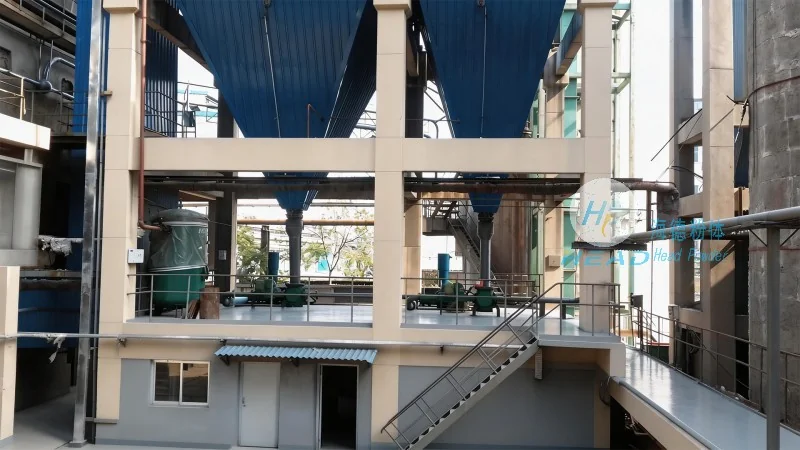
Understanding Cement Particle Conveying Systems
Cement particle conveying involves the movement of bulk cement from one location to another within industrial facilities or between different stages of production. The primary goal is to achieve efficient, safe, and cost-effective material transfer. Various technologies are employed, each with its own advantages and applications. The most common methods include mechanical conveying systems and pneumatic conveying systems. Mechanical systems typically use components like screw conveyors, belt conveyors, and bucket elevators, which rely on mechanical force to move materials. Pneumatic conveying, on the other hand, utilizes air pressure to transport particles through a pipeline, offering advantages such as flexibility, low maintenance, and the ability to handle fine or dusty materials without the need for additional equipment.
Key Features of Cement Particle Pneumatic Conveying
Pneumatic conveying is a popular choice for cement particle transport due to its ability to handle fine powders and prevent dust contamination. This method involves creating a pressure differential within a pipeline, either by using positive pressure (blowing air into the line) or negative pressure (sucking air out of the line). The cement particles are suspended in the air stream and carried through the pipeline to the destination. One of the key benefits of pneumatic conveying is its flexibility in terms of layout and installation. It can be easily integrated into existing facilities or designed as a new system, adapting to the specific needs of the operation. Additionally, pneumatic systems can handle long distances and multiple transfer points without significant loss of material or performance. The technology also minimizes the risk of material degradation or contamination, which is critical for maintaining the quality of cement products.
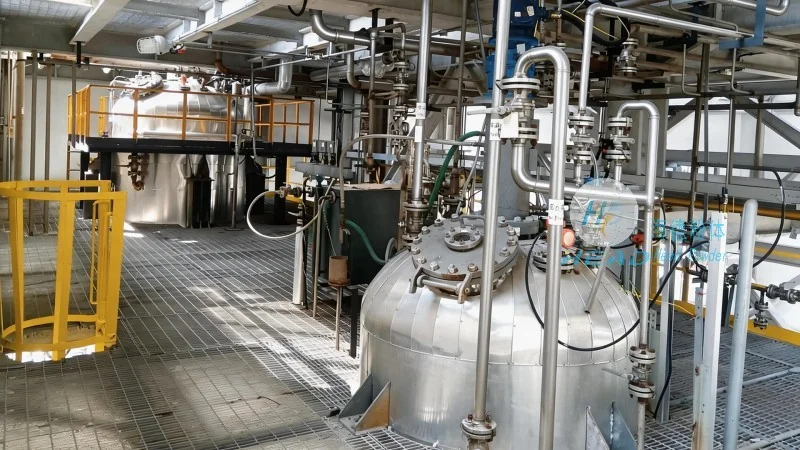
Advantages of Pneumatic Conveying for Cement Particles
Compared to traditional mechanical conveying methods, cement particle pneumatic conveying offers several advantages that make it an attractive option for many industrial applications. First, it eliminates the need for physical contact between the material and the conveying equipment, reducing wear and tear on both the particles and the machinery. This results in lower maintenance costs and longer equipment life. Second, pneumatic systems can handle a wide range of particle sizes and densities, from fine powders to larger granules, making them versatile for various cement products. Third, the enclosed pipeline system prevents dust from escaping into the environment, improving workplace safety and compliance with environmental regulations. Fourth, the ability to control air flow and pressure allows for precise control over the conveying rate, ensuring consistent material delivery to downstream processes. These advantages collectively contribute to increased operational efficiency and reduced downtime in cement production facilities.
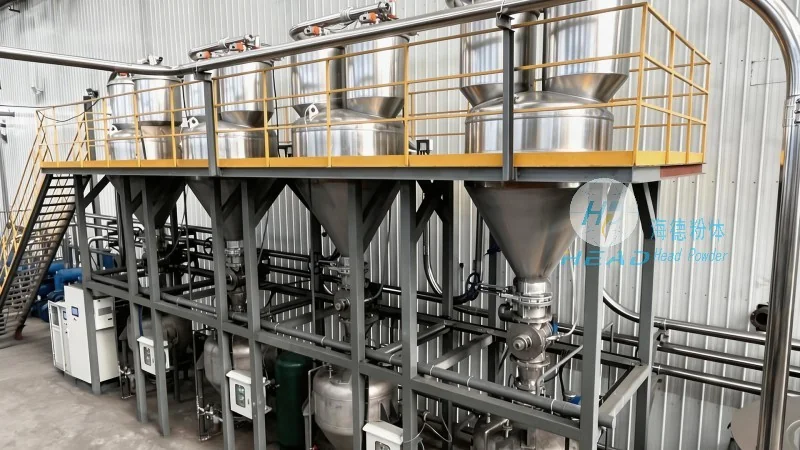
Applications of Cement Particle Pneumatic Conveying
The versatility of cement particle pneumatic conveying makes it suitable for a variety of applications within the cement industry. In raw material handling, it can be used to transport limestone, clay, and other raw materials from storage silos to the grinding mills. During the clinker production stage, pneumatic systems are employed to move clinker from the kiln to the storage silos or to the cement grinding plant. In the final cement production, pneumatic conveying is used to transport finished cement from the grinding mills to the packaging or storage areas. Additionally, it can be utilized in quality control processes, such as sampling and testing, where precise and dust-free material transfer is required. The adaptability of pneumatic systems allows them to be integrated into existing production lines or as part of new plant designs, providing a flexible solution for material handling needs.
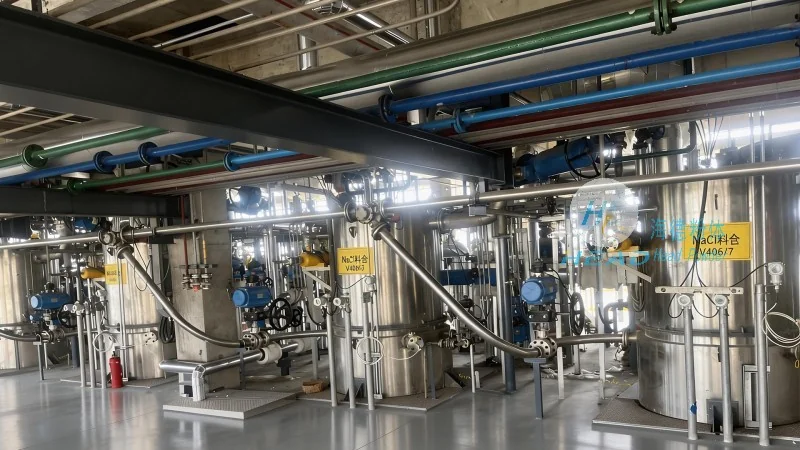
Role of Shandong HeadPowder Engineering Co., Ltd. in Cement Particle Conveying
Shandong HeadPowder Engineering Co., Ltd., operating under the brand name headpowder, is a leading provider of advanced material handling solutions for the cement industry. With a focus on cement particle pneumatic conveying and other efficient conveying technologies, headpowder specializes in designing, manufacturing, and installing customized systems that meet the specific requirements of their clients. The company leverages years of experience and technical expertise to deliver high-quality, reliable conveying systems that enhance operational efficiency and reduce costs. By utilizing advanced engineering principles and state-of-the-art equipment, headpowder ensures that their systems are optimized for performance, durability, and safety. The company's commitment to innovation and customer satisfaction has made it a trusted partner for many cement manufacturers seeking to improve their material handling processes. Headpowder's solutions are tailored to the unique challenges of each project, whether it involves handling fine powders, long-distance transport, or integration with existing infrastructure.
Conclusion: Choosing the Right Cement Particle Conveying Method
When selecting a cement particle conveying method, it is essential to consider factors such as material characteristics, distance, layout, and operational requirements. While mechanical systems have their place, pneumatic conveying, particularly for cement particles, offers significant advantages in terms of efficiency, flexibility, and safety. The expertise of companies like Shandong HeadPowder Engineering Co., Ltd. plays a crucial role in implementing effective pneumatic conveying systems that meet the needs of modern cement production. By understanding the different options available and leveraging the knowledge of experienced providers, cement manufacturers can optimize their material handling processes, improve productivity, and ensure the quality of their final products. Whether it's for raw material transport, clinker handling, or finished cement delivery, pneumatic conveying remains a robust and reliable choice for the cement industry.

 Shandong Headpowder Engineering Co., Ltd.
 156-6277-7102(Quản lý Trương)
  0531-83386006
  Thành phố Tế Nam, Tỉnh Sơn Đông, Trung Quốc
Điện thoại
WeChatTư vấn
Lên đầu