Với hơn 10 năm kinh nghiệm về vận chuyển khí nén, Headpowder Sơn Đông cung cấp hệ thống, thiết bị và quạt gió toàn chuỗi, đảm nhận các dự án kỹ thuật bột trọn gói trên toàn quốc.
For manufacturers and processors dealing with metal iron powder, selecting the right conveying method is crucial to ensure efficiency, safety, and product integrity. Iron powder, with its fine particle size and potential for static charge, requires specialized handling to prevent clogging, dust generation, and material loss. Among the various options available, pneumatic conveying stands out as a versatile and effective solution for transporting iron powder in industrial settings.
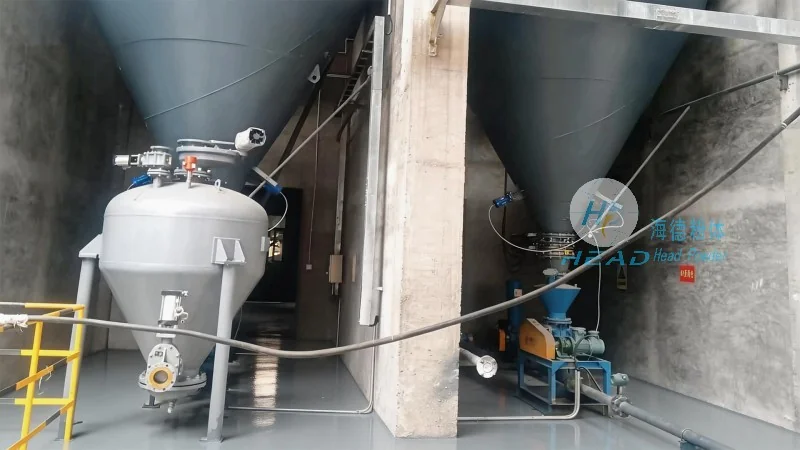
About Shandong HeadPowder Engineering Co., Ltd.
HeadPowder, a leading provider of material handling solutions, is headquartered in Shandong, China. With years of experience in the industry, the company specializes in designing and manufacturing advanced conveying systems tailored to the unique needs of metal powders. The company’s expertise lies in optimizing material flow, enhancing process reliability, and ensuring compliance with safety standards for iron powder handling.
Common Conveying Methods for Metal Iron Powder
When it comes to transporting metal iron powder, several methods are commonly employed, each with its own advantages and limitations. The choice of method depends on factors such as material properties, production scale, and operational requirements. Below are some of the most prevalent approaches used in the industry.
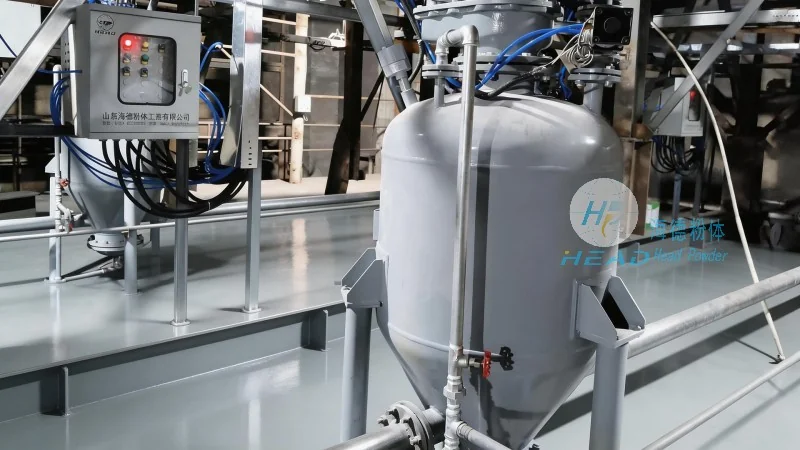
Pneumatic Conveying: The Preferred Solution for Iron Powder
Pneumatic conveying, also known as air conveying, is widely regarded as the most suitable method for handling iron powder due to its ability to transport fine particles efficiently while minimizing material degradation. This technique involves using compressed air to move the powder through a pipeline, creating a flow that prevents clogging and maintains product quality. Pneumatic systems can be categorized into two main types: pressure and vacuum systems, each offering distinct benefits for iron powder applications.
Pressure pneumatic conveying uses a positive pressure to push the powder through the system, making it ideal for long-distance and high-volume transport. It is particularly effective for iron powder with low moisture content and minimal tendency to agglomerate. The system typically includes a hopper, a rotary valve, a filter, and a receiver, ensuring a smooth and continuous flow. Vacuum pneumatic conveying, on the other hand, uses a negative pressure to draw the powder into the system, which is suitable for short-distance transport and when the material is prone to static charge. Both systems are designed to handle the specific characteristics of iron powder, such as its fine particle size and potential for static buildup.
Mechanical Conveying Methods
While pneumatic conveying is the most common, mechanical methods like screw conveyors and belt conveyors are also used for iron powder transport. Screw conveyors, also known as augers, use a rotating screw to move the powder through a tube. This method is suitable for moderate volumes and relatively dry iron powder. However, it may lead to clogging if the powder is too fine or has a high moisture content. Belt conveyors, on the other hand, use a moving belt to transport the powder over a series of rollers. This method is effective for larger particles but may not be suitable for very fine iron powder due to the risk of dust accumulation and material loss.
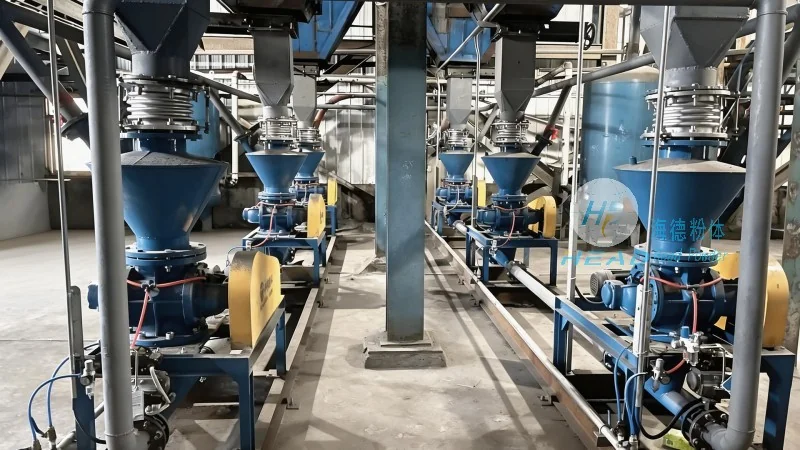
Choosing the Right Conveying Method for Iron Powder
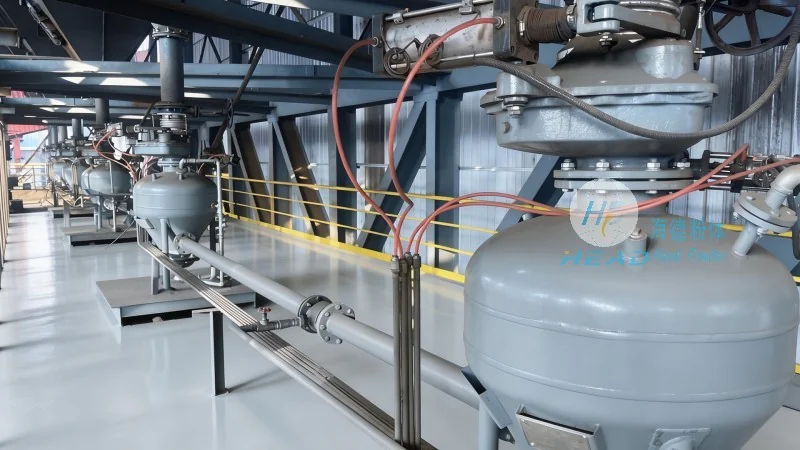
When selecting a conveying method for metal iron powder, several factors must be considered to ensure optimal performance. The first is the particle size and shape of the iron powder, as finer particles require more specialized handling to prevent clogging and loss. The second is the production volume and distance of transport, as pneumatic systems are generally more suitable for high-volume and long-distance applications. The third is the presence of moisture or other contaminants, as these can affect the flow characteristics of the powder and require adjustments to the conveying system. Additionally, safety considerations, such as the risk of dust explosions, must be addressed by implementing proper grounding and explosion-proof designs in the system.
HeadPowder's Pneumatic Conveying Solutions for Iron Powder
HeadPowder offers a range of pneumatic conveying systems specifically designed for metal iron powder applications. The company’s solutions are engineered to handle the unique challenges of iron powder, including its fine particle size, static charge, and potential for agglomeration. The systems are equipped with advanced features such as variable speed drives, pressure regulators, and dust filters to ensure smooth and reliable operation. HeadPowder’s team of experts works closely with clients to assess their specific needs and provide customized solutions that meet their operational requirements and budget constraints.
Conclusion
In conclusion, selecting the appropriate conveying method for metal iron powder is critical to maintaining efficiency and product quality in industrial processes. Pneumatic conveying, particularly pressure and vacuum systems, is the most effective solution for handling fine iron powder due to its ability to transport material smoothly and safely. HeadPowder, with its expertise and advanced technology, provides reliable pneumatic conveying systems that cater to the unique needs of iron powder manufacturers and processors. By choosing the right conveying method and working with a trusted provider like HeadPowder, companies can enhance their production processes, reduce downtime, and ensure compliance with industry standards.

 Shandong Headpowder Engineering Co., Ltd.
 156-6277-7102(Quản lý Trương)
  0531-83386006
  Thành phố Tế Nam, Tỉnh Sơn Đông, Trung Quốc
Điện thoại
WeChatTư vấn
Lên đầu