Với hơn 10 năm kinh nghiệm về vận chuyển khí nén, Headpowder Sơn Đông cung cấp hệ thống, thiết bị và quạt gió toàn chuỗi, đảm nhận các dự án kỹ thuật bột trọn gói trên toàn quốc.
Polysilicon, a critical material in the semiconductor industry, requires efficient and reliable transportation methods to ensure smooth production processes. The choice of conveying system directly impacts operational efficiency, material integrity, and overall production costs. This article explores common polysilicon conveying methods, with a focus on the advantages and applications of pneumatic conveying systems, while highlighting the expertise of Shandong HeadPowder Engineering Co., Ltd. (HeadPowder) in providing tailored solutions for industrial material handling.
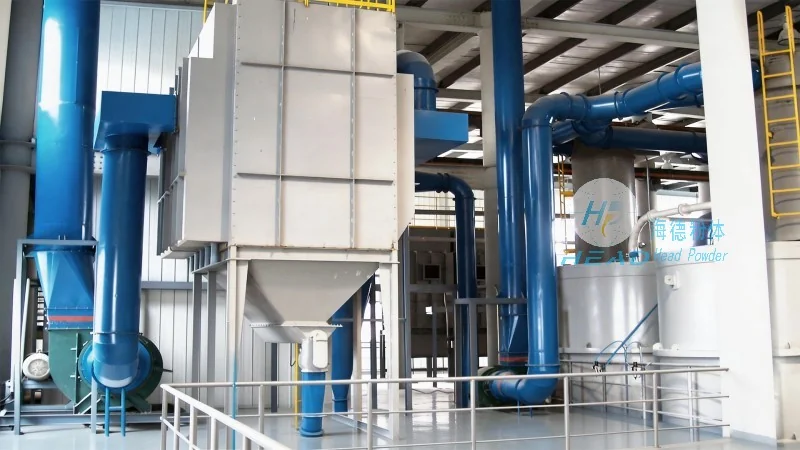
Understanding Polysilicon and Its Conveying Challenges
Polysilicon, also known as polycrystalline silicon, is a high-purity silicon material used as a feedstock in the production of solar cells and other electronic components. Its handling demands careful consideration due to its fine particle size, high value, and sensitivity to contamination. Traditional conveying methods, such as belt conveyors or screw conveyors, may not be suitable for polysilicon due to issues like particle degradation, dust generation, and material loss. These challenges necessitate specialized conveying systems that maintain material quality and minimize operational risks.
Common Polysilicon Conveying Methods
Several methods are employed for polysilicon transportation, each with distinct characteristics and applications. The primary options include pneumatic conveying, mechanical conveying, and vacuum systems. Among these, pneumatic conveying has emerged as a preferred choice for its ability to handle fine powders like polysilicon with minimal degradation. Mechanical conveying methods, such as belt or screw conveyors, are often used for bulk materials but may not be ideal for delicate powders. Vacuum systems, while effective for certain applications, have limitations in terms of distance and material capacity.
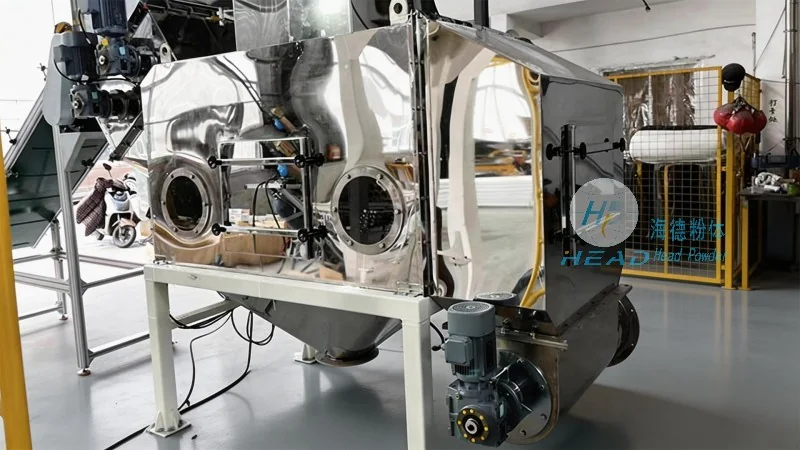
Pneumatic Conveying: The Preferred Solution for Polysilicon
Pneumatic conveying, also known as air-assisted conveying, uses compressed air to transport materials through a pipeline. This method offers several advantages for polysilicon handling, including gentle material handling, low contamination risk, and the ability to transport materials over long distances. There are two main types of pneumatic conveying: pressure and vacuum. Pressure systems use compressed air to push material through the pipeline, while vacuum systems use suction to draw material from the source. Both systems are effective for polysilicon, but the choice depends on factors like the distance between the source and destination, material flow rate, and system complexity.
Key Advantages of Polysilicon Pneumatic Conveying
Polysilicon pneumatic conveying systems provide several benefits that make them suitable for high-value materials. First, the system minimizes material degradation by using low-velocity air and smooth pipeline surfaces, ensuring that the polysilicon particles remain intact. Second, it reduces dust and contamination, which is critical for maintaining the purity of the material. Third, pneumatic conveying systems are flexible and can be easily integrated into existing production lines. Additionally, these systems offer high material throughput and can handle varying flow rates, making them adaptable to different production needs.
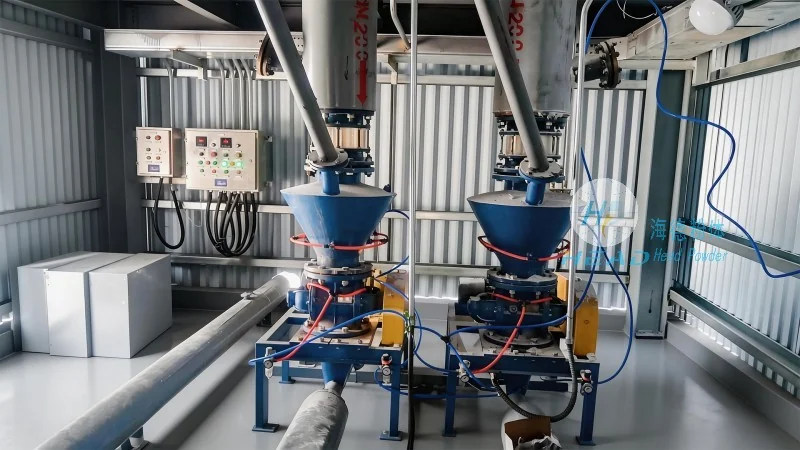
HeadPowder's Expertise in Polysilicon Conveying Solutions
Shandong HeadPowder Engineering Co., Ltd., a leading provider of industrial material handling solutions, specializes in designing and manufacturing customized pneumatic conveying systems for polysilicon and other fine powders. With years of experience in the industry, HeadPowder understands the unique challenges of polysilicon handling and offers tailored solutions that meet the specific requirements of each client. The company's team of engineers and technicians work closely with clients to assess their production processes, identify potential bottlenecks, and develop efficient conveying systems that enhance operational efficiency and reduce costs.
Customization and Integration of Polysilicon Conveying Systems
HeadPowder's approach to polysilicon conveying involves a comprehensive customization process. The company conducts thorough site assessments to determine the optimal system design, including pipeline layout, air pressure requirements, and material handling equipment. This ensures that the system is tailored to the client's production environment and operational needs. Additionally, HeadPowder integrates the conveying systems with existing production lines, ensuring seamless operation and minimal disruption to the production process. The company's expertise in system integration and maintenance ensures that clients receive reliable and long-lasting solutions.
Conclusion: Choosing the Right Polysilicon Conveying Method
When selecting a polysilicon conveying method, it is essential to consider factors such as material properties, production scale, and operational requirements. Pneumatic conveying, particularly pressure and vacuum systems, offers significant advantages for handling fine powders like polysilicon. Shandong HeadPowder Engineering Co., Ltd. provides expert guidance and customized solutions to help clients choose the most suitable conveying system for their needs. By leveraging the company's experience and technical expertise, clients can enhance their production efficiency, maintain material quality, and reduce operational costs. For businesses in the semiconductor industry, investing in a reliable polysilicon conveying system is a critical step toward optimizing production processes and ensuring long-term success.

 Shandong Headpowder Engineering Co., Ltd.
 156-6277-7102(Quản lý Trương)
  0531-83386006
  Thành phố Tế Nam, Tỉnh Sơn Đông, Trung Quốc
Điện thoại
WeChatTư vấn
Lên đầu